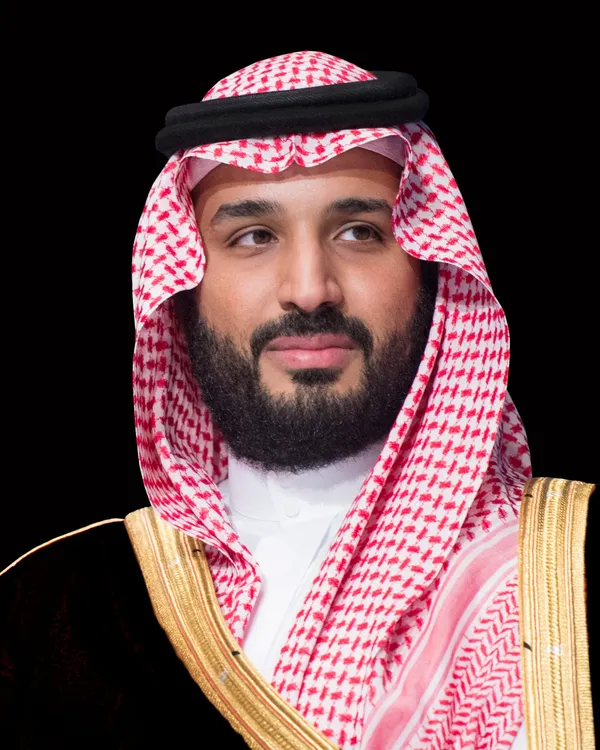
Mohammed bin Salman
Crown Prince and Prime Minister of Saudi Arabia
Mohammed bin Salman, often referred to by his initials MBS, is a Saudi Arabian royal and statesman who serves as Crown Prince and Prime Minister of the Kingdom of Saudi Arabia. As the country's de facto day-to-day leader, he has become one of the most influential figures in the Middle East and a central architect of an ambitious program to transform the Saudi economy and society.
Family and Early Rise
Mohammed bin Salman is a son of King Salman bin Abdulaziz Al Saud. He was educated in Saudi Arabia, earning a degree in law from King Saud University, and began his career working closely with his father in various governmental and advisory capacities. When his father became king, Mohammed bin Salman's responsibilities expanded rapidly, and he was appointed to a series of senior positions that placed him at the heart of the kingdom's decision-making.
He was eventually named crown prince, becoming heir to the throne, and later took on the role of prime minister. His ascent at a relatively young age marked a significant generational shift within the Saudi leadership, and he assumed broad authority over economic, security, and domestic policy.
Vision 2030 and Reforms
One of Mohammed bin Salman's most prominent initiatives is Saudi Vision 2030, a wide-ranging plan intended to reduce the kingdom's dependence on oil revenue and diversify its economy. The program emphasizes developing new industries, expanding tourism and entertainment, encouraging private-sector growth, and investing in large-scale development projects. Among its most discussed elements are major planned developments and investments through the kingdom's sovereign wealth fund.
During his tenure, the kingdom introduced a number of social and economic changes, including reforms affecting entertainment, the role of women in certain areas of public life, and efforts to attract foreign investment. These measures have been widely covered internationally and have been part of a broader effort to reshape the country's economy and global image.
Global Profile
As a leading figure on the world stage, Mohammed bin Salman has played a central role in Saudi Arabia's foreign relations and its position within regional and global affairs. His leadership and the kingdom's policies have been the subject of extensive international attention and debate, reflecting Saudi Arabia's importance as a major energy producer and a significant actor in Middle Eastern politics.
His prominence has made him a frequently discussed figure in international media, where coverage spans his economic reform agenda, the kingdom's diplomatic relationships, and broader questions about governance and development. As with many influential leaders, assessments of his tenure vary considerably among observers and analysts.
Mohammed bin Salman's role places him at the center of one of the most consequential periods of change in modern Saudi history. As the driving force behind a sweeping reform agenda and a key decision-maker in regional affairs, he continues to shape the direction of his country and to attract close attention from governments, businesses, and observers around the world. His leadership is likely to remain a defining feature of Saudi Arabia's trajectory for years to come.
Videos
FAQ
Mohammed bin Salman — Frequently asked questions
How old is Mohammed bin Salman?+
Mohammed bin Salman was born on August 31, 1985, which makes 41 years old.
Where is Mohammed bin Salman from?+
Mohammed bin Salman is from Saudi Arabia.
What is Mohammed bin Salman known for?+
Mohammed bin Salman is best known as Politician. Notable work includes Saudi Vision 2030, economic reform agenda, leadership of Saudi government.