Politics
Netanyahu Condemns West Bank Attack on NBC News Team as Settler Violence Escalates
Masked settlers assaulted an NBC News crew and a Palestinian woman in Jalud, injuring four journalists and drawing condemnation from Israel's prime minister.
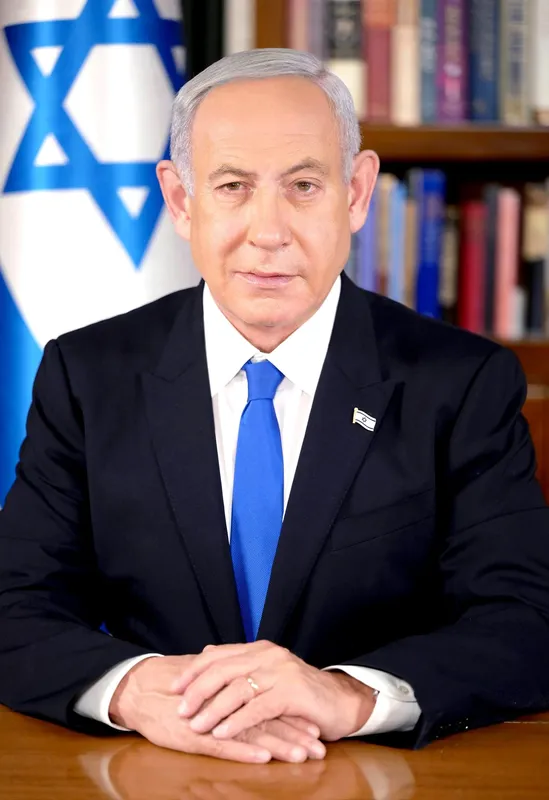
Prime Minister of Israel
Benjamin Netanyahu is an Israeli politician who serves as Prime Minister of Israel and is the leader of the Likud party. He is the longest-serving prime minister in the country's history, having held the office across multiple separate periods, and has been a central and influential figure in Israeli politics for decades.
Netanyahu was born in Tel Aviv in 1949. He spent part of his youth in the United States, where his family lived for a time. He studied at the Massachusetts Institute of Technology, earning degrees in architecture and management, and also spent time studying in other fields. He served in the Israel Defense Forces, including in a special forces unit, during a formative period of his life.
Before entering frontline politics, he worked in business and held diplomatic posts. He served as Israel's ambassador to the United Nations and in other representative roles, experiences that helped establish his profile in international affairs and his reputation as an articulate communicator, particularly to English-speaking audiences.
Netanyahu entered the Israeli parliament, the Knesset, and rose within the Likud party, eventually becoming its leader. He first became prime minister in 1996, serving until 1999. After a period out of the top office, during which he held senior government posts including finance minister, he returned as prime minister in 2009 and went on to lead a series of governments over an extended span.
Across his terms, Netanyahu has been associated with positions emphasizing national security, a strong defense posture, and a particular approach to relations with neighboring states and the broader region. He has played a prominent role in major diplomatic developments, including agreements normalizing relations between Israel and several countries. His tenure has also coincided with periods of significant conflict and security challenges, which have featured heavily in his political agenda.
Netanyahu's long career has been marked by both substantial electoral success and considerable controversy. He has faced legal proceedings related to corruption allegations, which he has denied, and these matters have been the subject of extensive public debate within Israel. His leadership has at times been associated with deep political divisions, including over domestic issues such as proposed changes to the judicial system.
Netanyahu is widely regarded as one of the most consequential figures in modern Israeli history, shaping the country's politics, security policy and international relationships over many years. He is known as a skilled political operator who has repeatedly returned to power through shifting coalition arrangements in Israel's multiparty system.
As a long-standing and prominent leader, he is a frequent subject of international news coverage and a participant in high-level diplomacy involving Israel, the United States and other nations. Opinions about his leadership are sharply divided both within Israel and internationally, with supporters emphasizing his focus on security and his diplomatic achievements, and critics raising concerns about his policies, his handling of domestic institutions and the legal cases against him.
Netanyahu's enduring presence at the center of Israeli political life, spanning multiple decades and several terms as prime minister, makes him a defining figure of his era. His decisions and statements continue to attract close attention, and his role remains a central element of ongoing discussion about Israel's domestic affairs and its place in the wider region.
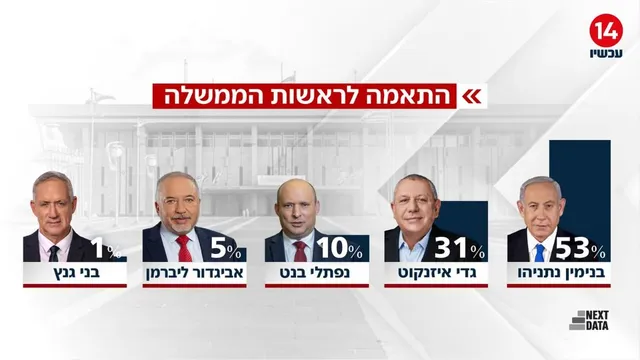
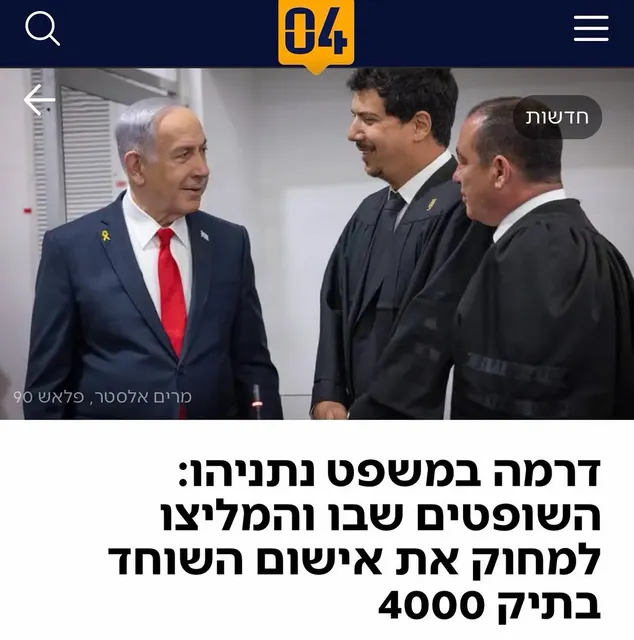
Masked settlers assaulted an NBC News crew and a Palestinian woman in Jalud, injuring four journalists and drawing condemnation from Israel's prime minister.
Jared Kushner's recent talks with Hamas and upcoming discussions with Netanyahu focus on a stalled Gaza ceasefire and a controversial peace plan.
Israeli PM Benjamin Netanyahu has openly refused a Trump-backed Gaza framework, insisting the IDF will not withdraw until Hamas is fully disarmed.

Donald Trump hosted back-to-back meetings with Volodymyr Zelenskyy and Benjamin Netanyahu, addressing key geopolitical challenges.
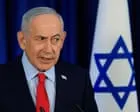
Israeli Prime Minister Benjamin Netanyahu responds to NYC Mayor Zohran Mamdani's call for his arrest, stating it foments hatred among communities.
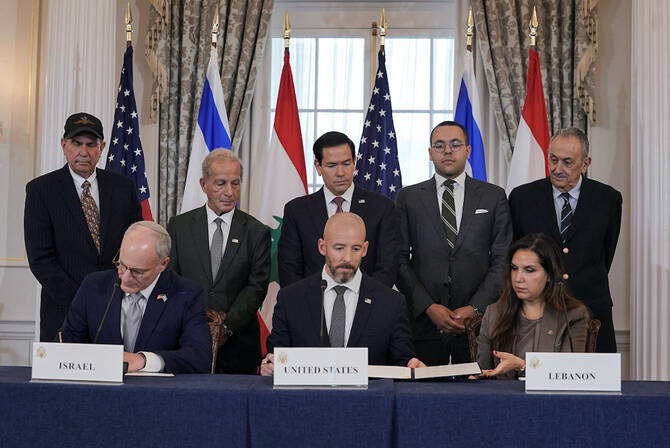
Israel, Lebanon and the United States signed a trilateral framework agreement in Washington, with Netanyahu calling it a historic achievement while vowing to keep troops in a southern buffer zone.
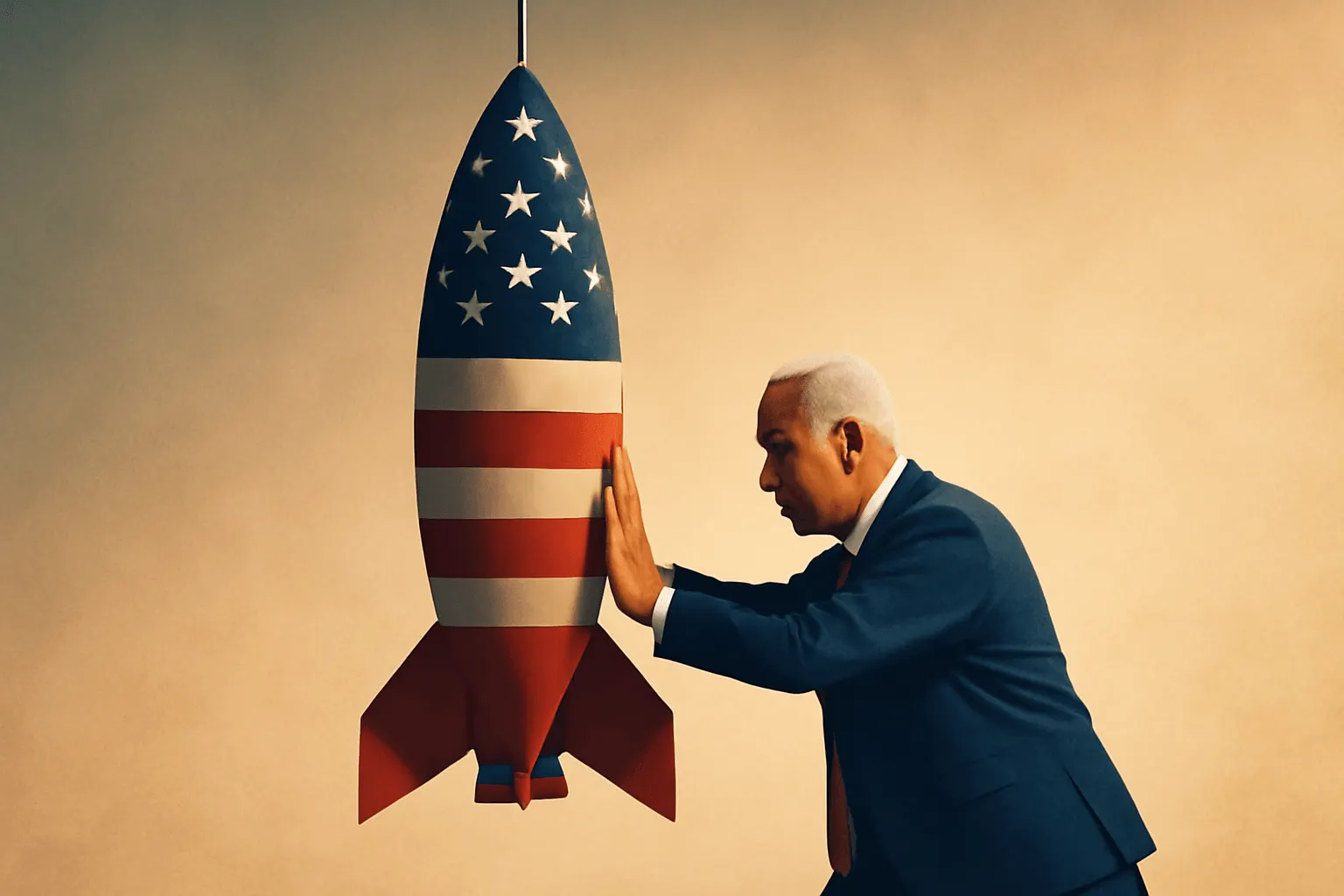
Netanyahu told reservists that Israel must build an independent armaments industry and shift from aid recipient to defense partner, backing a US congressional proposal to phase out $3.8 billion in annual aid.
FAQ
Benjamin Netanyahu was born on October 21, 1949, which makes 76 years old.
Benjamin Netanyahu is from Israel.
Benjamin Netanyahu is best known as Politician, Military personnel, Economist. Notable work includes Long-serving Prime Minister of Israel, leadership of the Likud party, prominent role in Israeli politics.
Yes — Benjamin Netanyahu is on Instagram, X (Twitter), Facebook, YouTube, TikTok. You can find the official links on this page.