Politics
Mass Protests Challenge Modi's Authority as Ally Resigns
Prime Minister Modi's government faces unprecedented protests, prompting the resignation of key ally Dharmendra Pradhan amid public outrage.
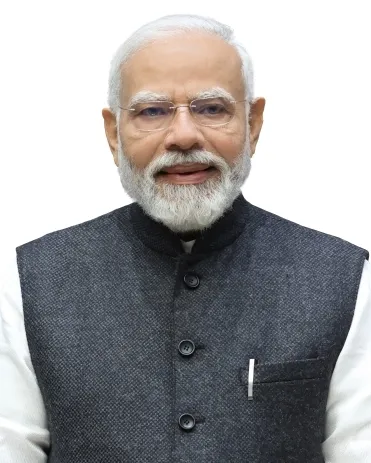
Prime Minister of India
Narendra Modi is an Indian politician who has served as the Prime Minister of India since 2014. Born in 1950 in the small town of Vadnagar in Gujarat, he grew up in modest circumstances and has often spoken about helping his family sell tea in his youth. As a young man he became involved with a nationalist organization, an association that shaped his political worldview and provided the foundation for his later career. He gradually rose through the ranks of organizational and political work before entering electoral politics.
Modi's career advanced significantly when he became Chief Minister of the state of Gujarat in the early 2000s, a position he held for more than a decade. During his tenure he promoted the state as a destination for investment and industry, and supporters credited his administration with infrastructure development and economic growth, often described as a model of governance. His years leading Gujarat also included periods of intense controversy, most notably communal violence early in his term that drew domestic and international scrutiny and remained a subject of long-running debate.
His record in Gujarat established him as a prominent national figure within the Bharatiya Janata Party and built his reputation as an administrator focused on development and economic reform. This profile set the stage for his emergence as the party's choice to lead its national campaign.
In 2014 Modi led the Bharatiya Janata Party to a decisive victory in national elections, becoming prime minister with a strong parliamentary majority. His government pursued a wide range of initiatives, including major programs related to sanitation, financial inclusion, digital infrastructure, manufacturing, and economic policy. Among the notable and debated measures of his tenure were a sudden demonetization of high-value currency notes and the introduction of a nationwide goods and services tax aimed at unifying the country's tax system.
Modi was reelected with an enlarged majority in 2019, reinforcing his standing as one of the most electorally successful Indian leaders in recent history. His second term saw significant constitutional and legislative changes, several of which generated considerable public discussion and debate across the country. He secured a further term following subsequent national elections, continuing his lengthy tenure in office.
On the world stage, Modi has been an active participant in international diplomacy, cultivating relationships with numerous global leaders and seeking to raise India's profile in international forums. He has emphasized themes such as economic partnership, technology, and India's growing role in global affairs, and his government has hosted major international gatherings.
Modi is known for his energetic communication style, including extensive use of social media, large public rallies, and a regular radio address to the nation. He commands a substantial base of popular support, and his leadership has been credited by admirers with strengthening India's economy and global standing. At the same time, his tenure has attracted criticism from opponents on a range of social and political issues, making him a central and frequently debated figure in contemporary Indian public life.
As one of the dominant political personalities of his generation, Modi has reshaped the landscape of Indian politics. His long tenure, electoral achievements, and policy initiatives ensure that his leadership remains a defining feature of India's recent history and a focus of ongoing national and international attention.
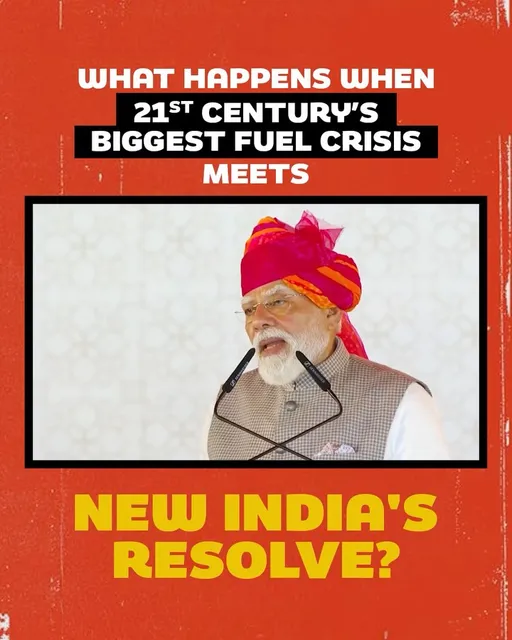
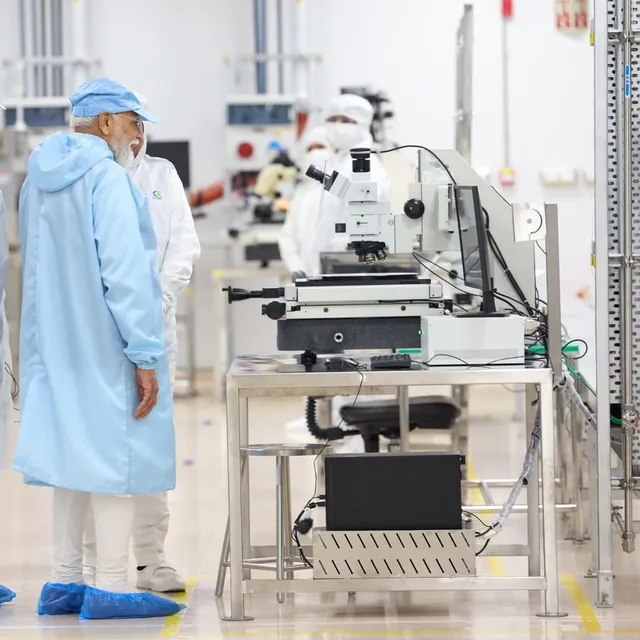
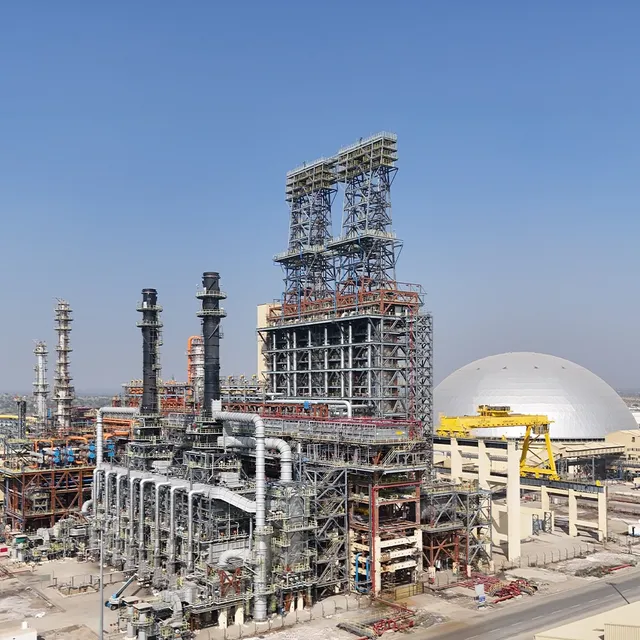
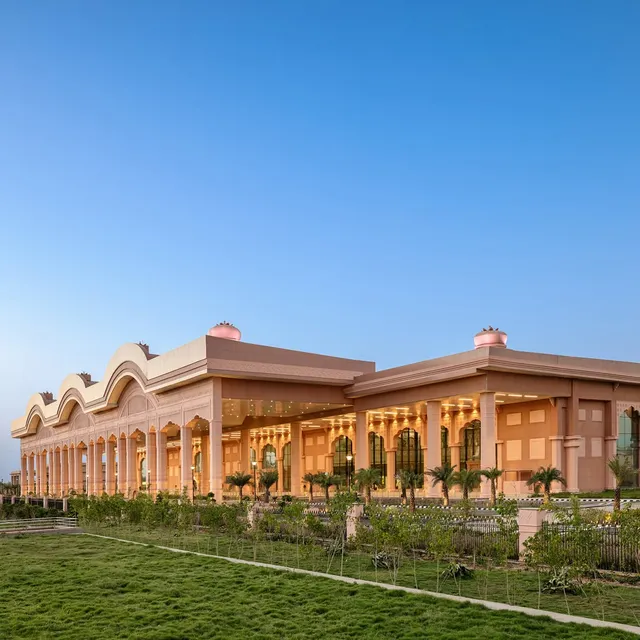
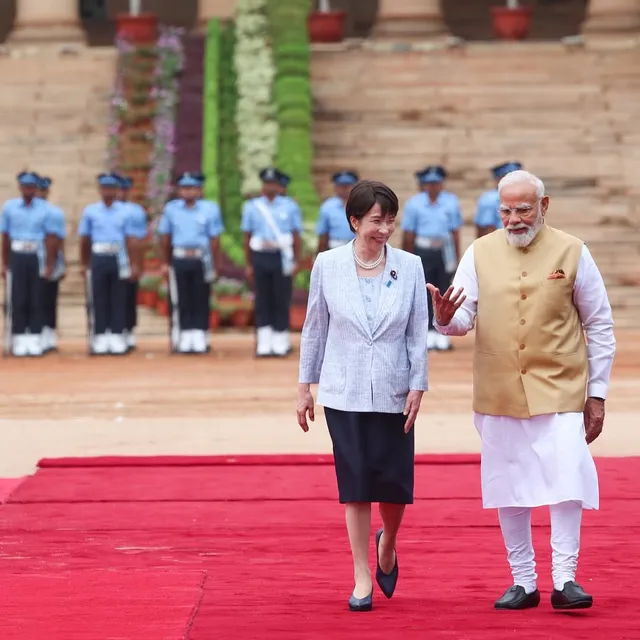
Prime Minister Modi's government faces unprecedented protests, prompting the resignation of key ally Dharmendra Pradhan amid public outrage.
A misspelled certificate and a three-day-old award in Seychelles have reignited debate over Narendra Modi's pattern of collecting international honours.
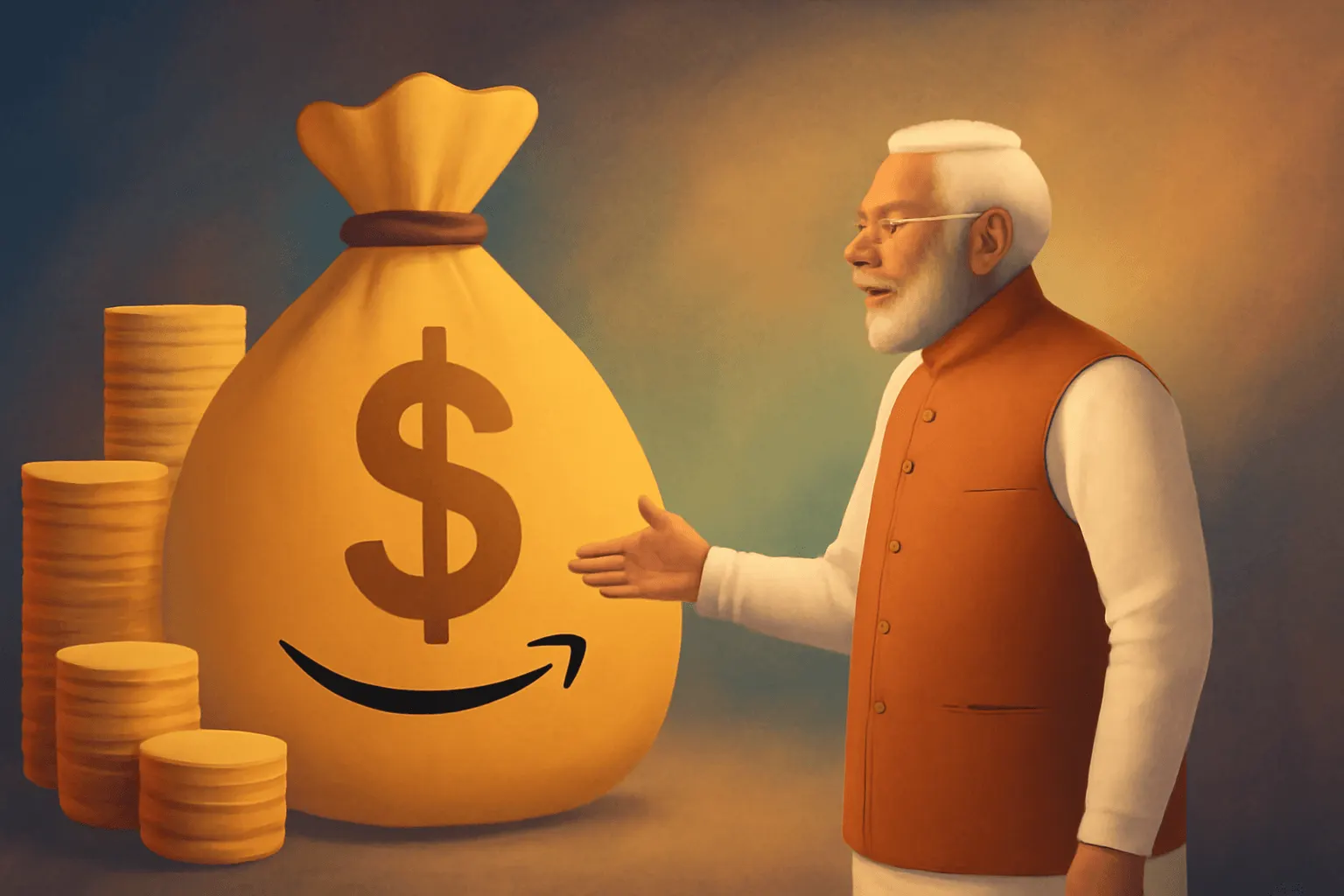
Amazon CEO Andy Jassy met PM Narendra Modi in New Delhi and unveiled plans to invest $48 billion in India by 2030, with a major push into AI and cloud.
FAQ
Narendra Modi was born on September 17, 1950, which makes 76 years old.
Narendra Modi is from India.
Narendra Modi is best known as Writer, Politician, Social worker. Notable work includes Prime Minister of India since 2014, former Chief Minister of Gujarat, leader of the Bharatiya Janata Party.
Narendra Modi is 0.02 m (2 cm) tall.
Yes — Narendra Modi is on Instagram, X (Twitter), Facebook, YouTube. You can find the official links on this page.