Politics
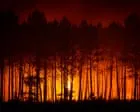
Wildfires Surge in Spain and France Ahead of Upcoming Heatwave
Firefighters in Spain and France rush to battle wildfires before rising temperatures complicate efforts. Prime Minister Pedro Sánchez warns of challenging days ahead.
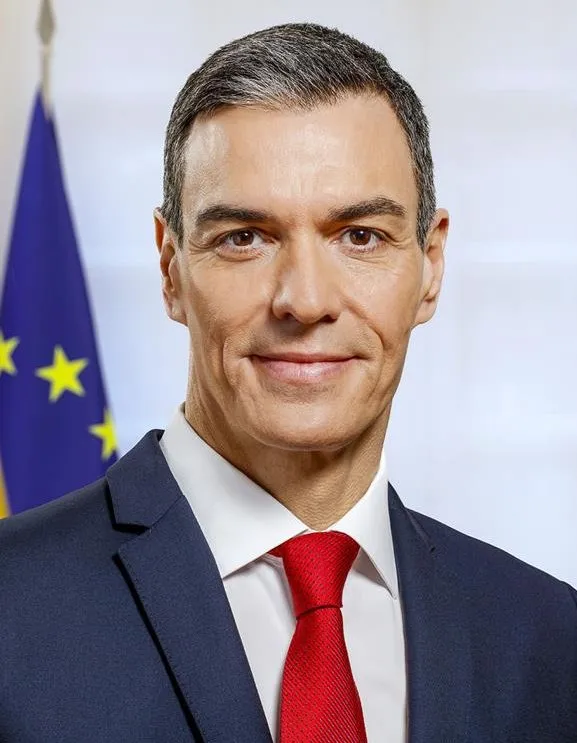
Prime Minister of Spain
Pedro Sánchez is a Spanish politician who has served as the Prime Minister of Spain since 2018 and as Secretary-General of the Spanish Socialist Workers' Party, known by its Spanish initials PSOE. Born in Madrid in 1972, he studied economics and later earned a doctorate, working in academia and various roles before fully dedicating himself to politics. His background in economics has frequently informed his public positions, and he entered political life through local and party structures before rising to national prominence.
Sánchez served as a member of the Spanish Parliament and worked his way up within the Socialist Party, eventually winning the leadership of the PSOE. His early years at the helm were turbulent: after a period of internal party conflict and electoral setbacks, he was pushed out of the leadership, only to stage a remarkable comeback by winning back the post in a vote of the party's grassroots membership. This resilience became a defining feature of his political identity.
His return to the top of the party set the stage for a dramatic rise to national power. In 2018 he led a successful no-confidence motion against the sitting government, an unprecedented move in modern Spanish democracy that resulted in his becoming prime minister without having won a general election at that point. The maneuver demonstrated his willingness to seize political opportunities and his skill at building parliamentary alliances.
As prime minister, Sánchez has governed in a fragmented political environment, often relying on coalition arrangements and the support of smaller parties to pass legislation and remain in office. His tenure has included efforts on social policy, labor reform, economic recovery measures, and a range of progressive initiatives. Leading a country with diverse regional interests, he has had to navigate complex negotiations to maintain governing majorities.
One of the most persistent challenges of his time in office has been managing tensions related to regional politics, particularly the question of Catalonia and the aspirations of independence movements there. His approach, which has at times involved dialogue and contested measures aimed at easing tensions, has drawn both support and sharp criticism across the political spectrum.
Sánchez has retained power through subsequent elections and complex coalition-building, often forming governments after extended periods of negotiation. His ability to assemble and hold together diverse parliamentary coalitions has been central to his political survival, even as opponents have challenged the durability and direction of his administration.
On the European and international stage, Sánchez has been an active participant in European Union affairs, advocating for cooperation among member states and engaging on issues such as economic policy, migration, and shared European challenges. He has positioned Spain as a constructive voice within the bloc.
Known for his political tenacity and his capacity to recover from setbacks, Sánchez has become one of the more prominent figures in contemporary European center-left politics. His governments have pursued a progressive agenda while contending with a polarized domestic landscape and the practical demands of coalition rule. As a leader who returned from political defeat to lead his country, he remains a closely watched figure whose decisions continue to influence Spain's political direction and its role within Europe.
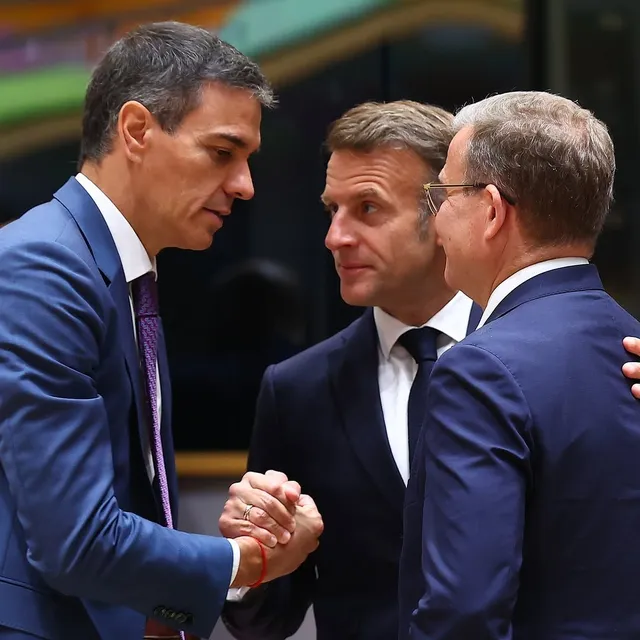
Firefighters in Spain and France rush to battle wildfires before rising temperatures complicate efforts. Prime Minister Pedro Sánchez warns of challenging days ahead.
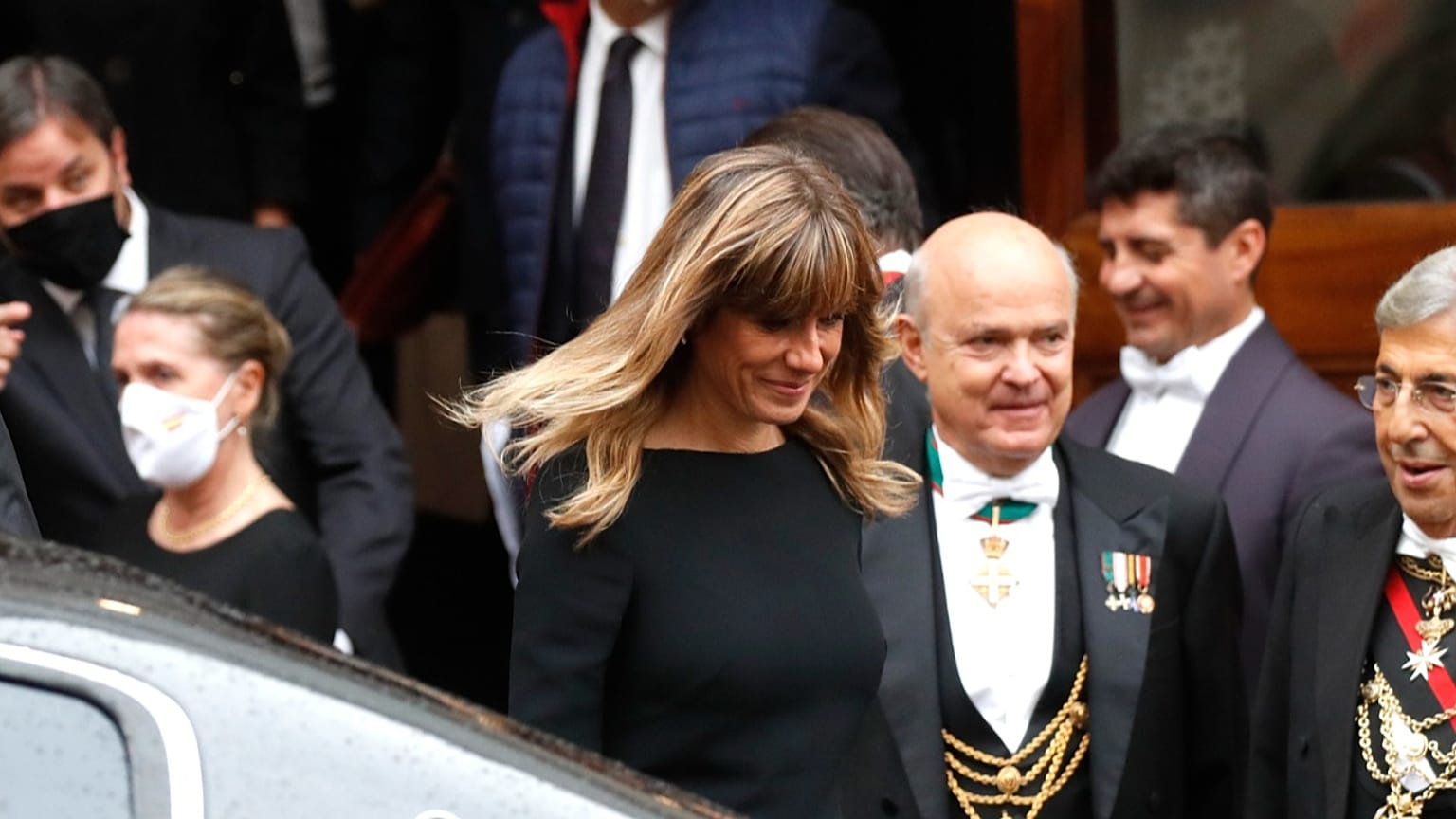
A Madrid judge has ordered Begona Gomez, wife of Prime Minister Pedro Sanchez, to stand trial on corruption charges, confiscating her passport and barring her from leaving Spain.
FAQ
Pedro Sánchez was born on February 29, 1972, which makes 54 years old.
Pedro Sánchez is from Spain.
Pedro Sánchez is best known as Politician, Economist, University teacher. Notable work includes Prime Minister of Spain since 2018, Secretary-General of the Spanish Socialist Workers' Party (PSOE).
Pedro Sánchez is 0.02 m (2 cm) tall.
Yes — Pedro Sánchez is on Instagram, X (Twitter), Facebook, YouTube. You can find the official links on this page.