Netflix Leadership Shakeup Driven by U.S. Viewing Declines, Says Sarandos
Ted Sarandos and Greg Peters highlight U.S. viewing declines and ad sales drops as key reasons behind Netflix's recent content leadership changes.
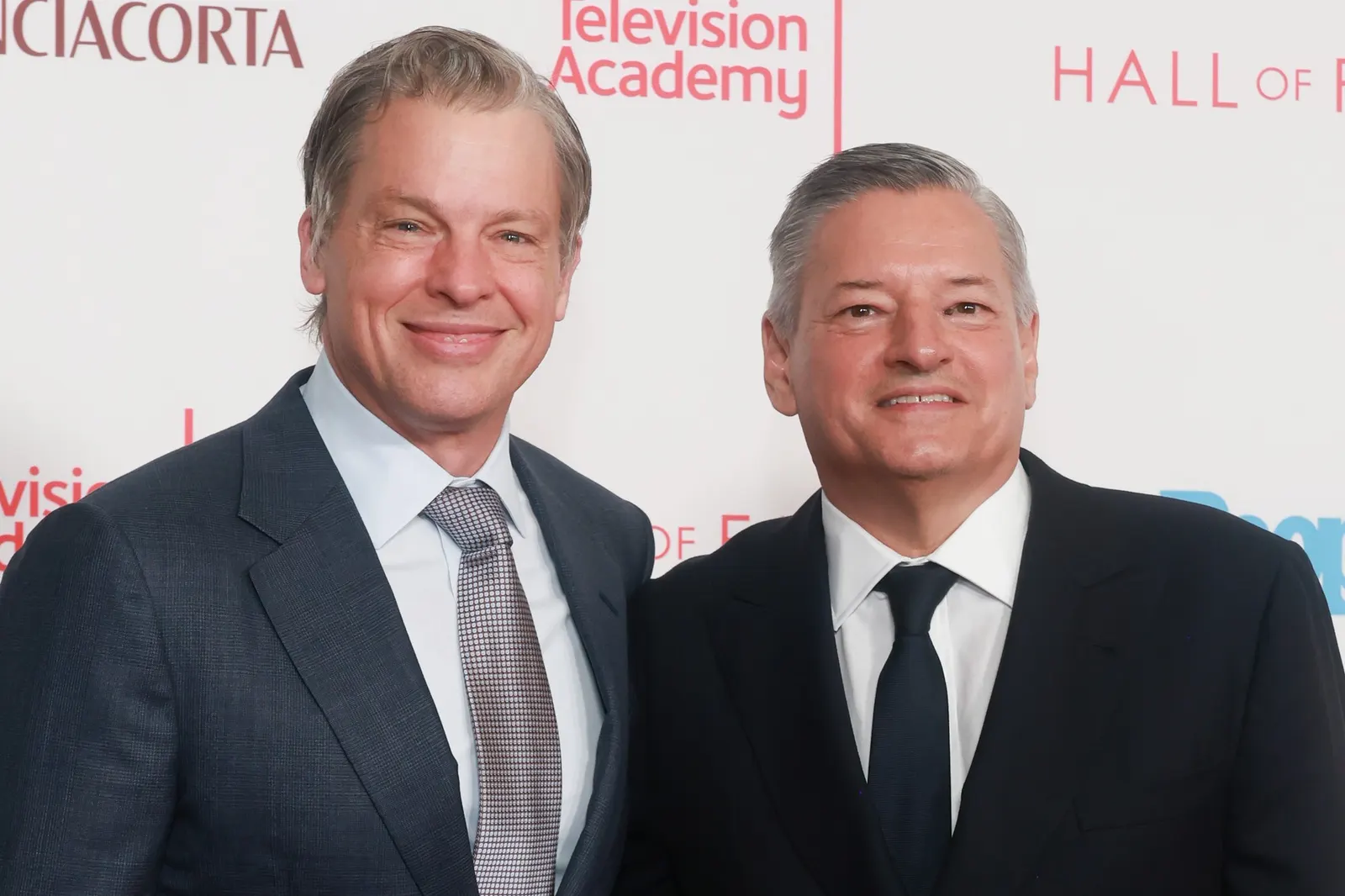
Netflix's co-CEOs, Ted Sarandos and Greg Peters, recently discussed the company's strategic pivot in response to a slowdown in viewership and advertising revenues in the U.S. The conversation, which took place on Tuesday following the release of the streaming service's third-quarter earnings, centered on the significant changes made to its content leadership team. Sarandos emphasized a renewed focus on execution amid these challenges.
Leadership Changes in Content Strategy
The meeting with Wall Street analysts underscored the urgency of Netflix's adjustments in leadership. With the company facing diminishing numbers in U.S. viewership, the decision to overhaul the content leadership was not taken lightly. The growing competition in the streaming landscape has prompted a reevaluation of how Netflix approaches its content creation and distribution.
Sarandos stated that the recent shakeup could lead to more streamlined processes, reflecting a commitment to improving both viewer engagement and revenue-generating capabilities. This move aligns with a broader trend in corporate strategy, where clear execution becomes paramount for success.
Impact of Slowed Viewership
As viewership metrics continue to decline, and ad sales fail to meet expectations, Netflix must find innovative ways to retain its audience's attention. The co-CEOs acknowledge that understanding viewer preferences and catering to them is critical. This is especially significant in light of the competitive offerings from rivals that continue to emerge and evolve.
In a related context, earlier statements by Sarandos on Netflix's approach to future content spending indicate a willingness to adapt. The company plans to increase its content budget by 10% in 2026, betting on cost-saving measures such as AI to mitigate expenses while still delivering engaging content (Netflix to Raise Content Spend 10% in 2026 as AI Cuts Costs).
Navigating the Competitive Landscape
While acknowledging the pressures of a slowing viewer base, Sarandos has previously downplayed competition from industry players such as the newly merged Paramount and Warner Bros. (Ted Sarandos Downplays Competition from Paramount-Warner Bros. Merger). This indicates a strategic confidence in Netflix's ability to compete effectively, albeit in a challenging market.
Looking Ahead
The current focus on enhancing execution and refining leadership structures suggests that Netflix is not merely reacting to current challenges, but also setting the groundwork for future growth. As Sarandos and Peters steer the company through these turbulent waters, the industry's watchful eye will be on whether these changes yield the expected results in terms of both viewership and financial performance.
In sum, the executive team at Netflix is clearly navigating uncharted territory. As they implement these changes, the outcome will likely shape the future trajectory of the platform and its standing in the increasingly crowded streaming market. For ongoing updates about Netflix's strategic decisions, visit our articles on how Sarandos explains Netflix's directional shifts (Ted Sarandos Addresses Slowed Growth and Strategic Focus at Netflix).
Related on Ni4o: Sarandos Defends Netflix's Second-Season Performance, Keeps Podcast Data Private · Netflix to Raise Content Spend 10% in 2026 as AI Cuts Costs · Sarandos Explains Why Mindhunter Never Got a Third Season
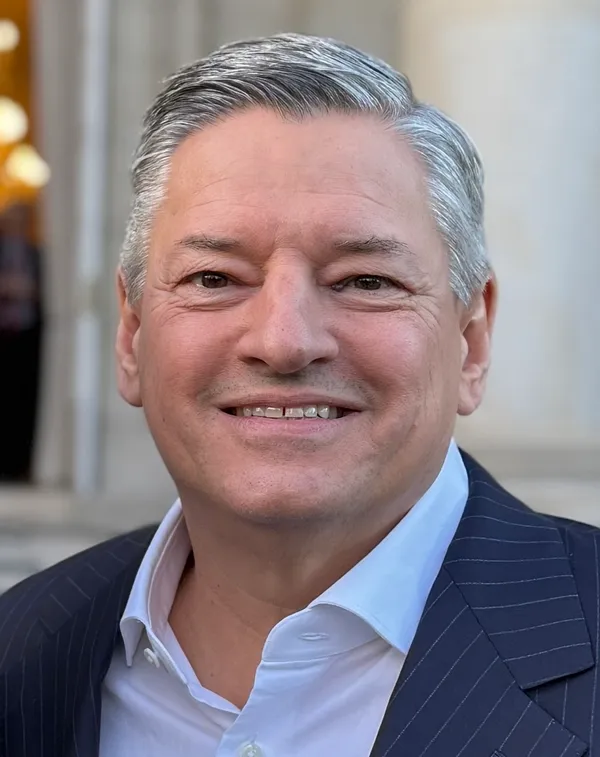 ProfileTed SarandosNetflix co-CEO
Related
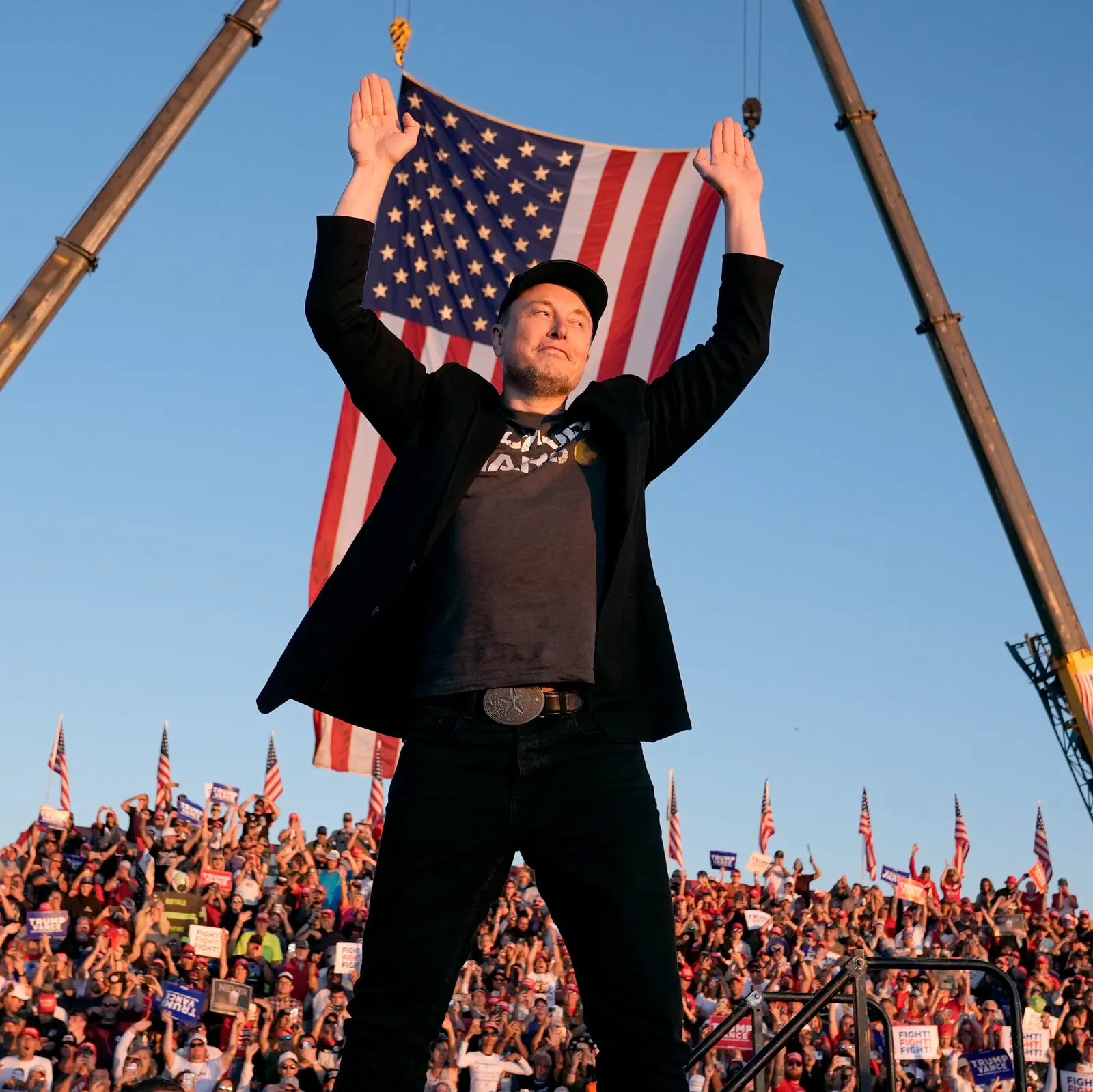
Elon Musk Documentary Among Highlights at Venice Film Festival
The Venice Film Festival features a new section showcasing documentaries, including an anticipated film on Elon Musk.
Musk Expected to Pour Up to $200M Into 2026 Midterm Races
Elon Musk is projected to commit between $100 million and $200 million to Republican midterm efforts, with Texas a key focus.

Tesla Prepares for Cybercab Launch Amid Safety Concerns
Tesla is set to unveil its Cybercab, a driverless vehicle pivotal to Elon Musk's vision, but readiness for public roads is questioned.