Sarandos Defends Netflix's Second-Season Performance, Keeps Podcast Data Private
Netflix co-CEO Ted Sarandos pushed back on concerns about declining second-season viewership, calling the pattern industry-wide and within expectations.
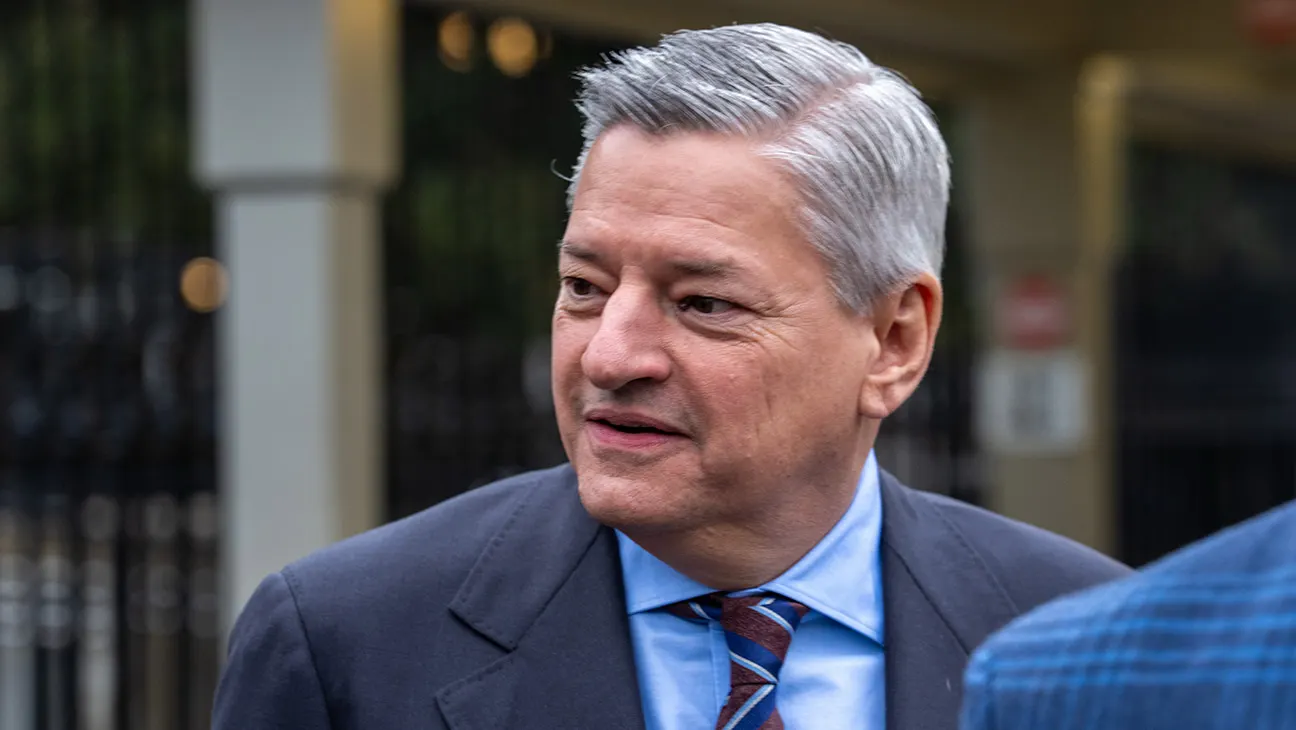
Netflix co-CEO Ted Sarandos moved this week to counter a growing narrative that the streamer struggles to retain audiences into the second seasons of its original series — while the company's latest data release left video podcast performance largely in the dark. The remarks came alongside Netflix's quarterly earnings report, which offered only limited visibility into the platform's newer content categories.
Sarandos Disputes the Scale of the Drop-Off
The second-season debate was ignited by a Bloomberg report, cited by The Hollywood Reporter, that documented sharp viewership declines for several Netflix titles in their follow-up runs, including Beef, The Four Seasons, and One Piece. Sarandos did not contest the underlying numbers — drawn from Netflix's own publicly available weekly top-10 rankings — but framed them as misleading when viewed in isolation.
"In aggregate, we're not seeing any material change in our second season viewing compared to season ones," Sarandos said. "Our second seasons are performing well within our bands of expectation."
He further noted that the company's metrics have actually moved in the right direction over time: second-season fall-off has "slightly improved" in the current year relative to the prior one, according to the executive.
A Scale Problem, Not a Quality Problem
Sarandos offered a structural explanation for why even successful Netflix shows tend to see softer returns in year two. Because the platform launches series simultaneously to a global audience — with algorithmic discovery tools pushing titles to tens of millions of users at once — debut seasons routinely attract unusually large initial audiences that are inherently difficult to replicate.
"Our shows tend to start really big, where most other places, their shows start pretty small and occasionally grow from there," he said, adding that viewing declines between seasons are "very common" across the broader television industry. The argument positions Netflix's drop-off issue as a byproduct of its own reach rather than evidence of audience disengagement.
The dynamics Sarandos described reflect a broader strategic posture that major streaming platforms have adopted — investing heavily in opening-weekend-style launches to dominate cultural conversation, a model that increasingly resembles the competitive intensity seen in sectors ranging from tech IPO positioning to global retail expansion.
Video Podcasts Get a Soft Launch — With Soft Data
Netflix has made a concerted push into video podcasts in 2025, adding programming from The Ringer, Jay Shetty, Pete Davidson, Brian Williams, and New York's Breakfast Club, among others. Sarandos acknowledged that the format is drawing a distinct audience — skewing toward mobile viewers relative to long-form series — and has modestly lifted engagement during daytime hours.
However, the company declined to release specific viewership figures for any individual podcast. Netflix's semi-annual data release, which covers January through June, groups all video podcasts into a catch-all "other shows" category alongside any series that logged fewer than 50,000 views — defined as viewing hours divided by runtime — in the six-month window. The company was careful to note that not every podcast necessarily fell below that threshold; rather, the category structure reflects the nascent nature of the format on the platform.
Collectively, that "other shows" bucket generated 757 million viewing hours in the first half of the year. That figure sounds substantial until measured against the full picture: Netflix users consumed 74.4 billion hours of series content in the same period, making the entire catch-all category roughly one percent of total series viewing.
What It Means for the Business
The earnings-week pushback on the second-season narrative signals that Netflix leadership is sensitive to how performance data is being interpreted externally — particularly as competition for subscriber retention intensifies. Corporate leaders across industries have grown increasingly attuned to the gap between raw data and the stories told around it, a dynamic visible in disputes ranging from executive succession planning at major banks to public-interest debates about corporate accountability.
For Netflix, the more immediate question is whether its video podcast investment — still early and largely unquantified — can eventually develop into a meaningful content pillar, or whether it remains a low-cost experiment at the margins of the platform's enormous viewing footprint.
 ProfileTed SarandosNetflix co-CEO
Related
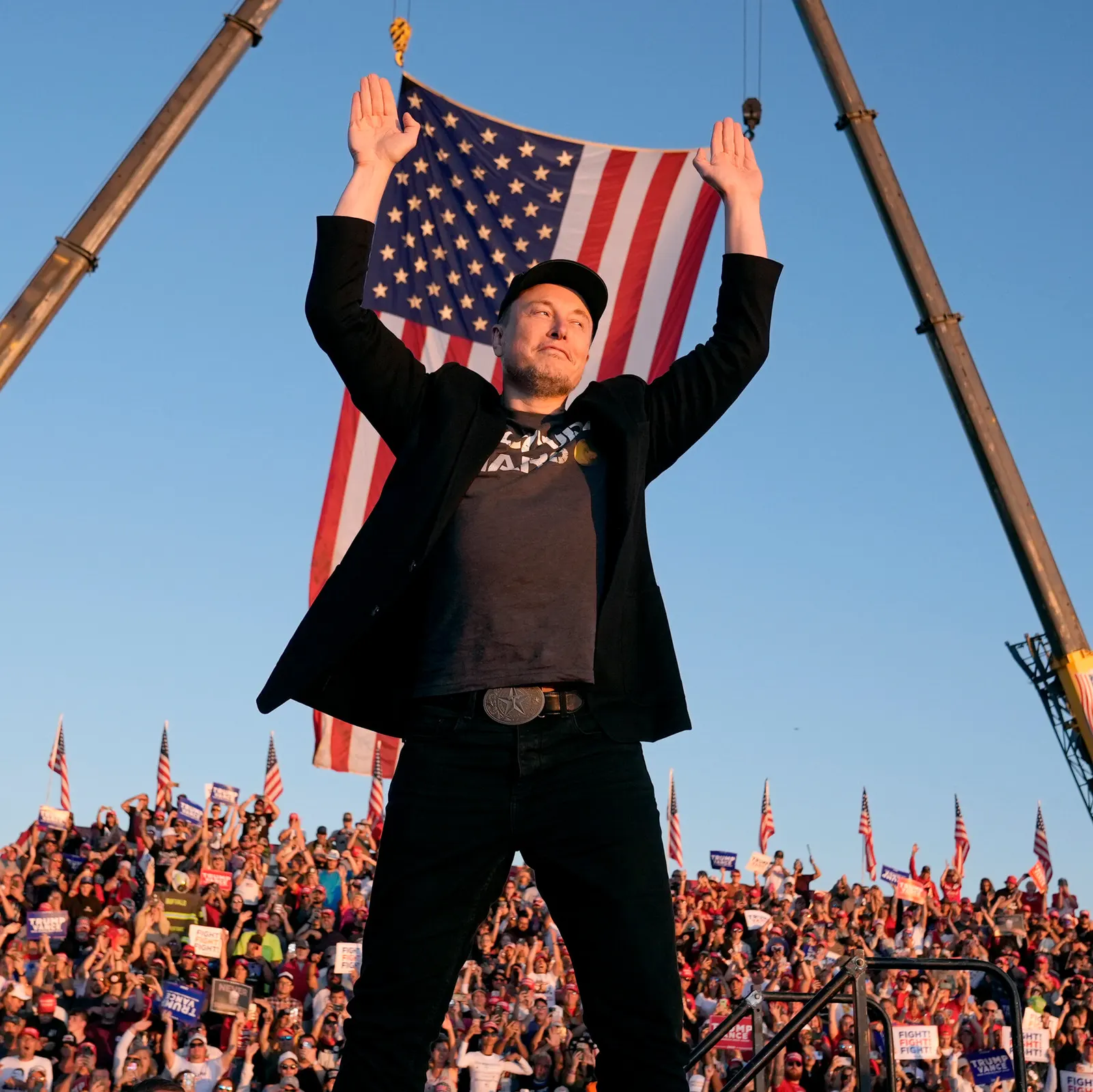
Elon Musk Documentary Among Highlights at Venice Film Festival
The Venice Film Festival features a new section showcasing documentaries, including an anticipated film on Elon Musk.
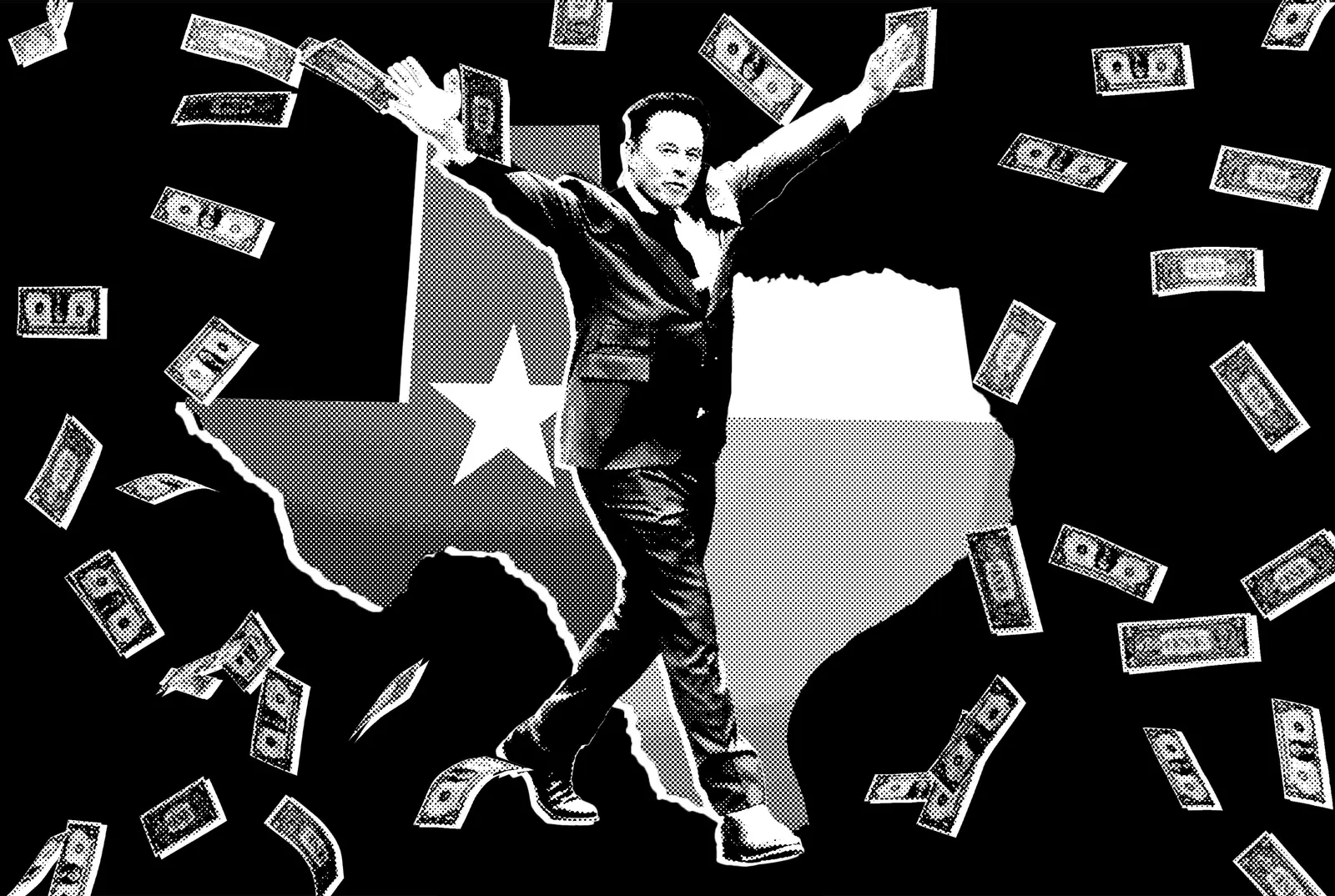
Musk Expected to Pour Up to $200M Into 2026 Midterm Races
Elon Musk is projected to commit between $100 million and $200 million to Republican midterm efforts, with Texas a key focus.

Tesla Prepares for Cybercab Launch Amid Safety Concerns
Tesla is set to unveil its Cybercab, a driverless vehicle pivotal to Elon Musk's vision, but readiness for public roads is questioned.