Sarandos Explains Why Mindhunter Never Got a Third Season

Netflix co-CEO Ted Sarandos has shed new light on why the acclaimed crime thriller Mindhunter stalled after two seasons and remains unfinished.
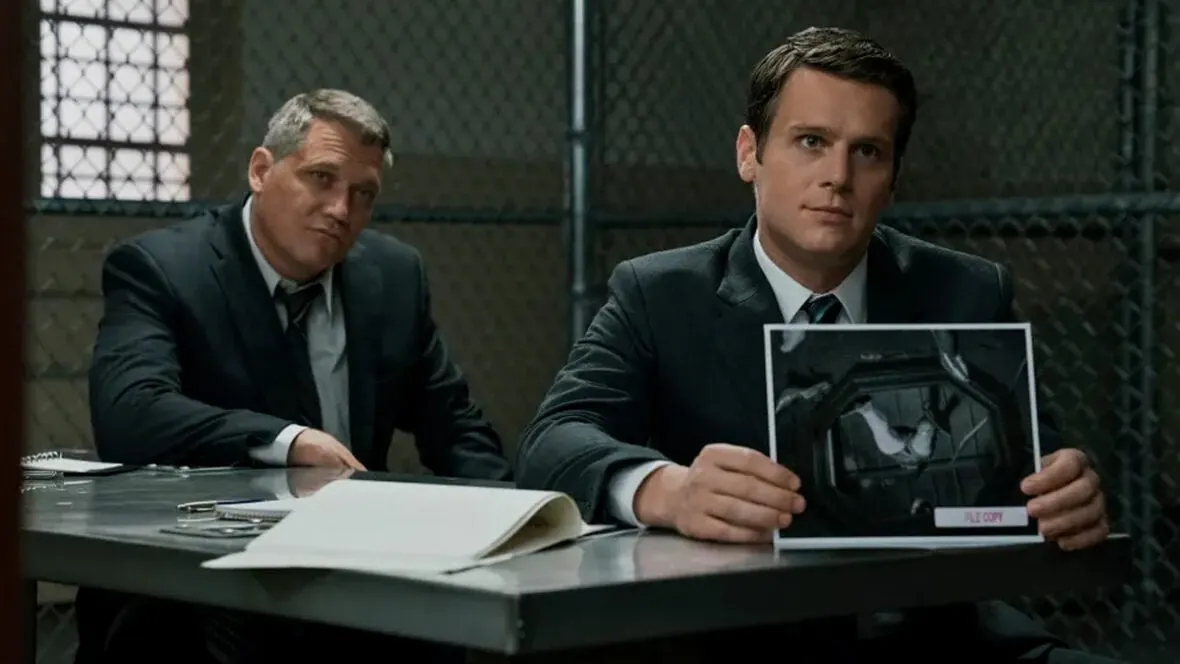
Netflix co-CEO Ted Sarandos has offered the most detailed executive-level account yet of why Mindhunter never advanced beyond its second season. His remarks add institutional context to explanations that director David Fincher has given over the past several years, painting a picture of competing priorities, production costs, and audience economics that collectively derailed one of the platform's most praised original series.
What Sarandos Said
Speaking at The Indian Express' Express Adda event in New Delhi, Sarandos was asked to identify a Netflix project he wished had received an additional installment. His answer was immediate: Mindhunter, the crime thriller starring Jonathan Groff, Holt McCallany, and Anna Torv, which aired two seasons between 2017 and 2019 before being placed on indefinite hold in 2020.
"We always anticipated there would be a third season," Sarandos said, according to Just Jared. He went on to explain that Fincher's commitment to the 2020 Netflix film Mank became the proximate cause of the delay. Because the director — known for his exacting, all-consuming approach to production — declined to split his focus between two major projects simultaneously, development on a potential third season was repeatedly pushed back until momentum effectively collapsed.
Fincher's Own Account
Sarandos' remarks build on a record Fincher himself established in prior interviews. In 2020, the director described Mindhunter as a grueling undertaking that routinely demanded 90-hour workweeks from his team. He was candid about the financial calculus as well, noting that "dollars have to equal eyeballs" — a straightforward acknowledgment that viewership numbers had failed to justify the show's considerable production budget.
Fincher returned to the same theme in 2023, reiterating that the series was costly to produce and had not built a large enough audience for Netflix to commit to another season. As Sarandos has discussed in other contexts, the streamer weighs content investment against measurable audience engagement, and Mindhunter ultimately fell short of the threshold that would have triggered renewal. That calculus is becoming increasingly significant as the company plans to expand its overall content spending in 2026, making selectivity on which projects receive further investment even more consequential.
A Narrow Path to Revival
Despite the show's dormant status, there remains a slim possibility that the story could be revisited in a different format. In early 2025, McCallany disclosed that Fincher had floated the idea of continuing the narrative through three two-hour films rather than a conventional television season. Writers were said to be developing the concept, though McCallany was careful to stress that the project was speculative and contingent on Fincher's approval of any finished scripts.
As of August 2026, no Mindhunter films have been formally greenlit by Netflix. The show's two existing seasons remain available on the platform, continuing to attract viewers who discovered the series long after its original run.
Why It Matters
The Mindhunter situation illustrates a tension that streaming platforms navigate regularly: prestige productions with critical acclaim do not always generate the subscriber activity needed to sustain high per-episode costs. For Netflix, which has grown its content ambitions considerably, the decision to hold a series rather than cancel or renew it outright is itself a form of institutional hedging — keeping a prized creative relationship intact without committing resources to an uncertain return.
Sarandos' willingness to name Mindhunter as a personal regret signals that the calculus was not purely financial on the executive side. Whether that sentiment translates into a formal greenlight for the proposed film trilogy remains to be seen.
Related on Ni4o: Sarandos Defends Netflix's Second-Season Performance, Keeps Podcast Data Private
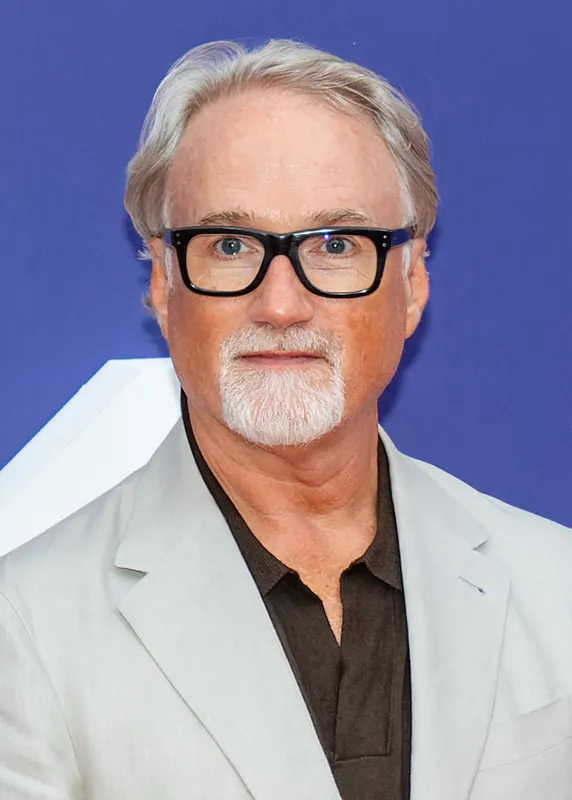 ProfileDavid FincherFilm director & producer
Related
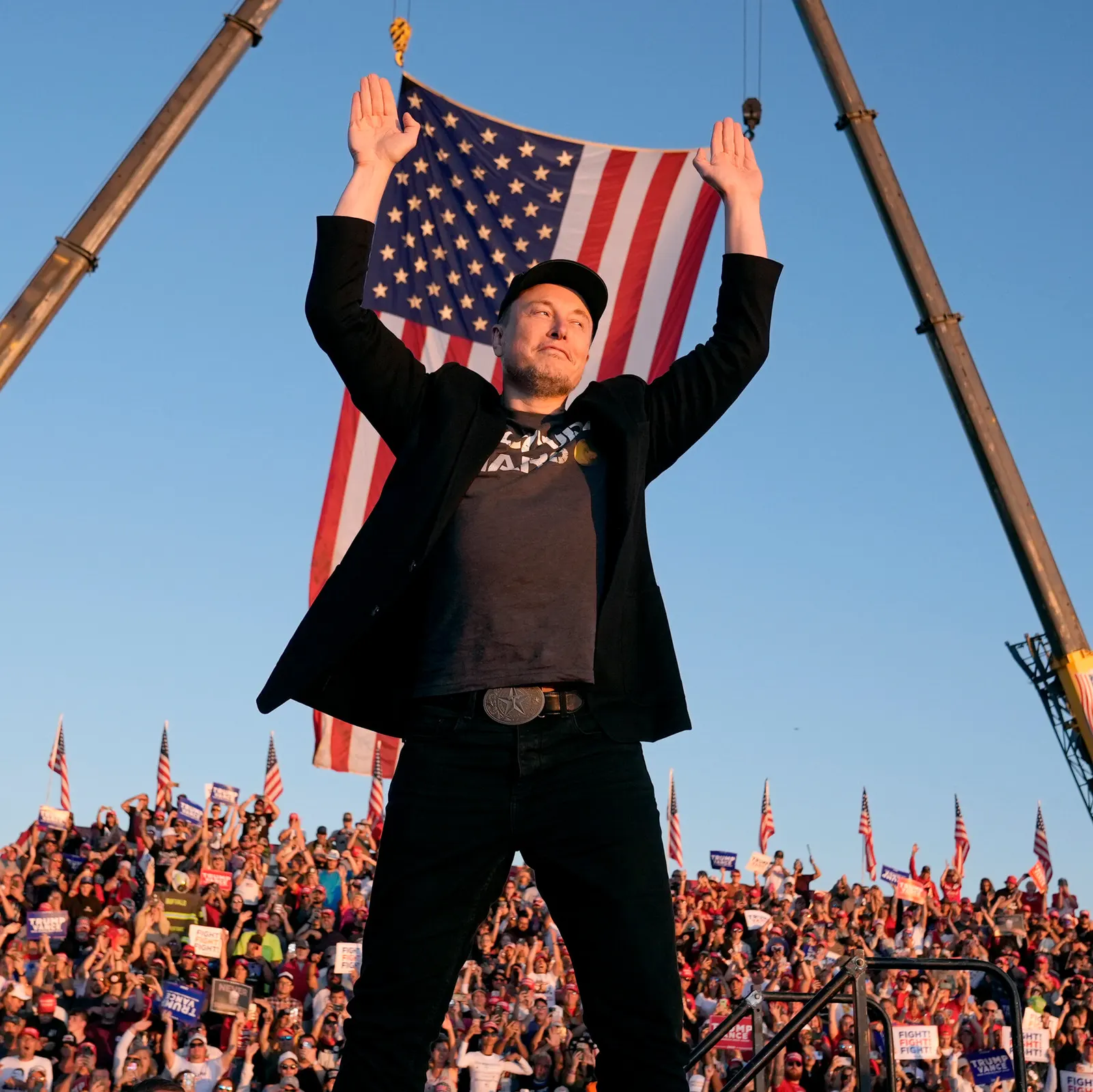
Elon Musk Documentary Among Highlights at Venice Film Festival
The Venice Film Festival features a new section showcasing documentaries, including an anticipated film on Elon Musk.
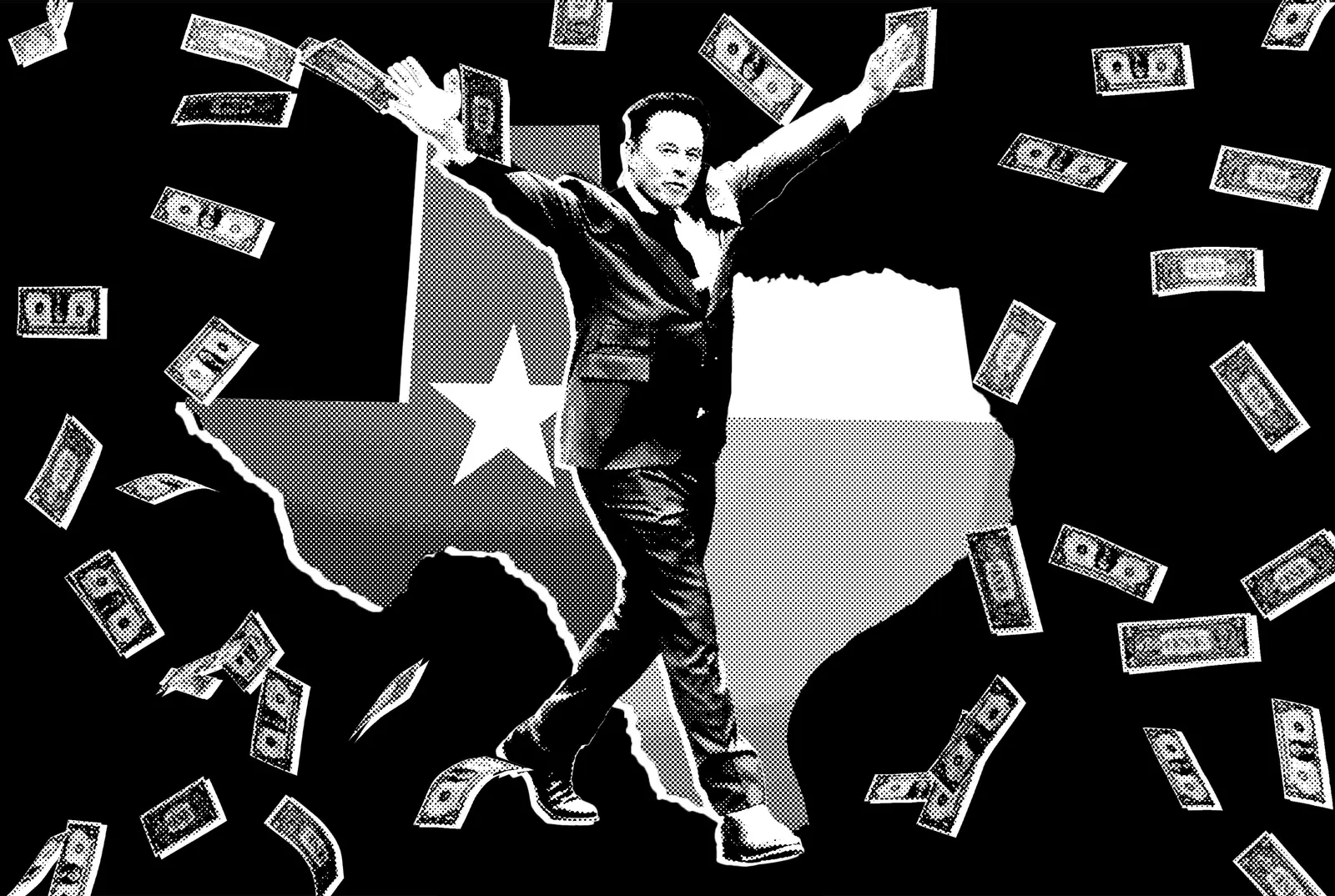
Musk Expected to Pour Up to $200M Into 2026 Midterm Races
Elon Musk is projected to commit between $100 million and $200 million to Republican midterm efforts, with Texas a key focus.

Tesla Prepares for Cybercab Launch Amid Safety Concerns
Tesla is set to unveil its Cybercab, a driverless vehicle pivotal to Elon Musk's vision, but readiness for public roads is questioned.