Tesla Prepares for Cybercab Launch Amid Safety Concerns
Tesla is set to unveil its Cybercab, a driverless vehicle pivotal to Elon Musk's vision, but readiness for public roads is questioned.
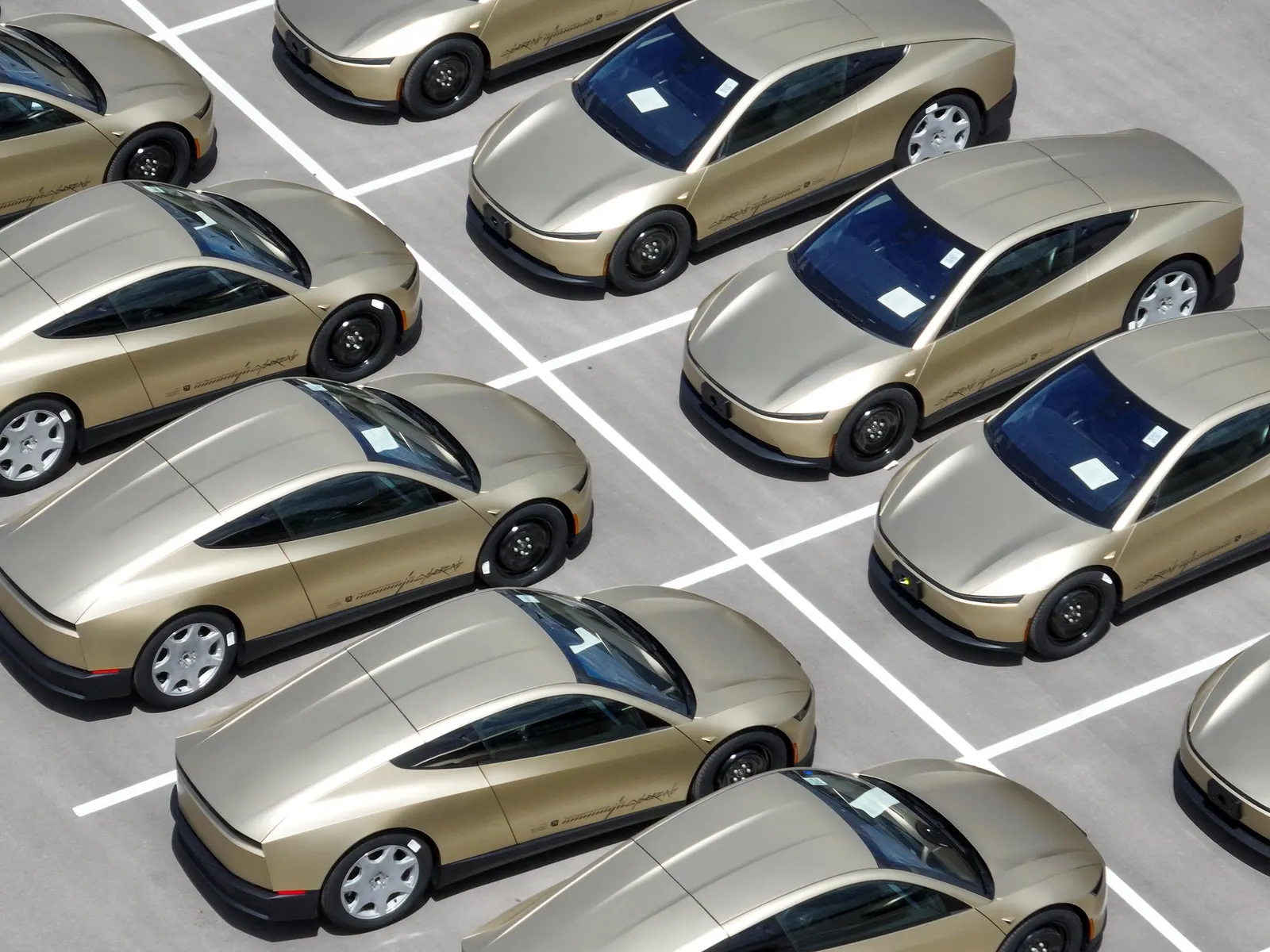
Tesla is on the verge of officially launching its Cybercab, a sleek, driverless vehicle that has drawn significant attention due to its role in Elon Musk's ambitions for autonomous technology. However, crucial questions remain surrounding its readiness for the public, especially given the vehicle's unique design, which eliminates traditional controls such as a steering wheel and pedals.
Timeline for Launch
According to reports from The Information, the Cybercab could be publicly announced as early as this month in Austin, Texas. There have been sightings of the vehicle across the nation, although early models have been retrofitted with conventional controls for testing purposes. For the past several months, Tesla employees have been gathering data using a fully autonomous version of the Cybercab on private roads. In a recent noteworthy activity, Tesla also conducted emergency response training in Austin to prepare first responders for potential scenarios involving the vehicle.
Technology and Safety Challenges
As Tesla prepares for the upcoming launch, industry experts have voiced concerns regarding the implications of deploying the Cybercab without traditional safety measures. The vehicle utilizes Tesla's Full Self-Driving (FSD) software, which the company touts as safer than human drivers. Nevertheless, independent safety analysts have criticized this assertion, pointing out that the FSD system still mandates driver oversight and remains under investigation by federal authorities for various compliance failures.
While the current Robotaxi fleet continues to employ human monitors in specific locations, the Cybercab's autonomous design raises new safety questions. Tesla claims to have a remote operation system that can take control during emergencies, but experts warn that limitations in connectivity, such as signal strength and latency, could impede timely responses in critical situations. To address this issue, Tesla is reportedly incorporating Starlink technology into their Cybercabs.
Data Collection and Competitiveness
Another significant factor impacting the Cybercab's launch is Tesla's data acquisition capabilities. Historically, Tesla held a competitive edge due to its vast number of vehicles collecting operational data. However, the Cybercab's novel architecture necessitates distinct data sets that differ from traditional vehicles. Musk acknowledged during a recent earnings call that the company needs to gather specific data for the Cybercab before deploying a large number of units on public roads.
Currently, Tesla's unsupervised robotaxis have logged only 380,000 miles across various cities, a stark contrast to Waymo’s extensive 220 million fully autonomous miles driven since 2020. This raises questions about whether Tesla is truly equipped to compete in the autonomous vehicle race.
Regulatory Hurdles and Future Prospects
The unique design features of the Cybercab create potential regulatory hurdles due to existing safety standards. The absence of traditional controls means it could face difficulties in obtaining approval for public sale unless federal regulators grant exemptions. While similar companies, such as Amazon's Zoox, have secured permissions to initiate ride-hailing operations with purpose-built vehicles, it remains unclear if Tesla is pursuing a comparable exemption.
Despite these challenges, the Cybercab launch is anticipated to occur soon, suggesting a considerable confidence from Tesla in its technology and readiness for market entry. However, the broader implications of this launch extend to Tesla’s reputation in the increasingly competitive autonomous vehicle landscape, warranting close scrutiny as developments unfold ahead of its debut.
For more insights into the challenges and aspirations within Tesla's autonomous vehicle ambitions, check out our related article on Elon Musk's Robotaxi Hopes Facing Hard Realities.
Related on Ni4o: Elon Musk Becomes First Trillionaire as SpaceX IPO Soars · Orbital Data Centers Draw Skepticism From SoftBank's Son and Beyond
 ProfileElon MuskEntrepreneur and business magnate
Related
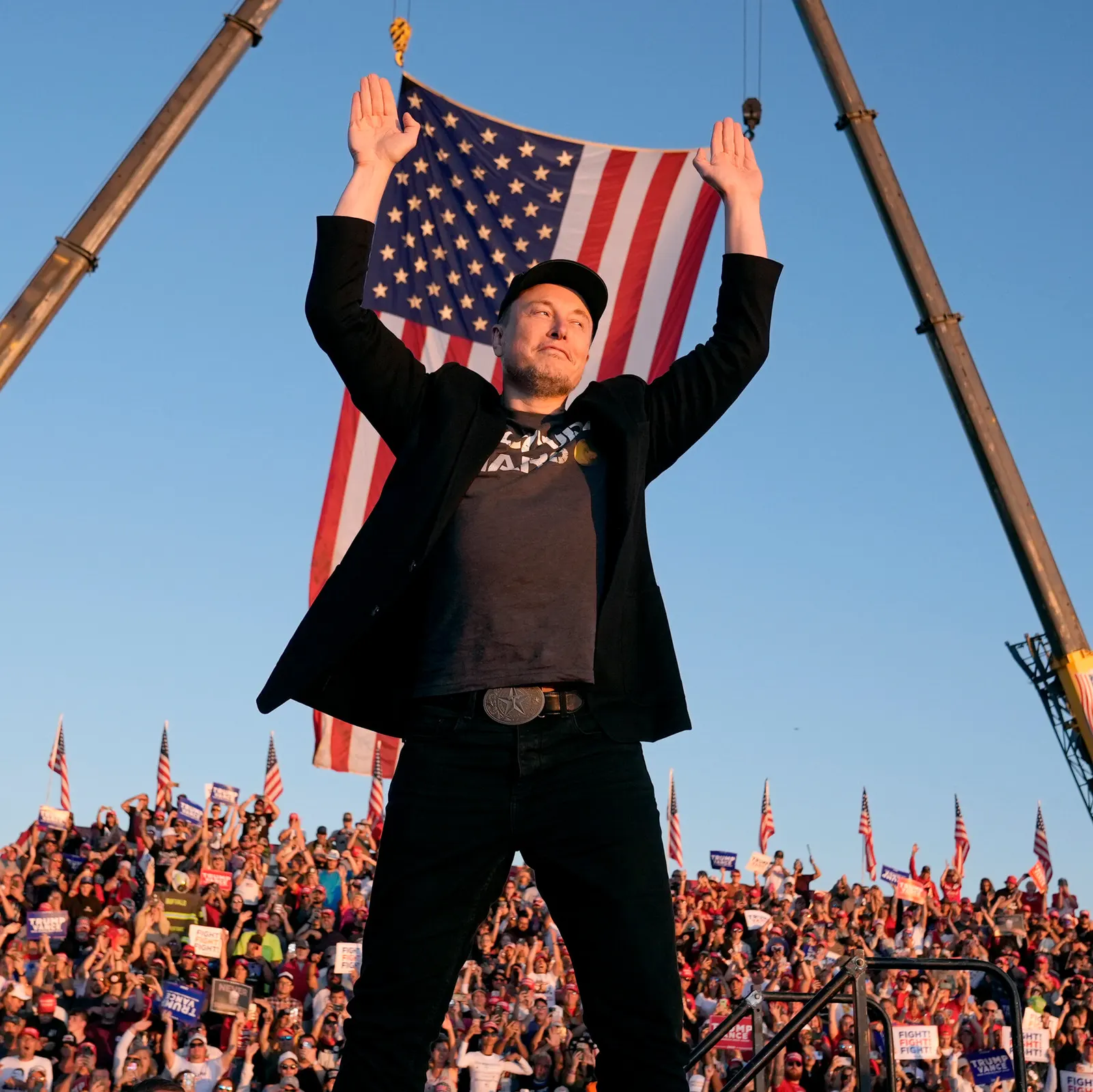
Elon Musk Documentary Among Highlights at Venice Film Festival
The Venice Film Festival features a new section showcasing documentaries, including an anticipated film on Elon Musk.
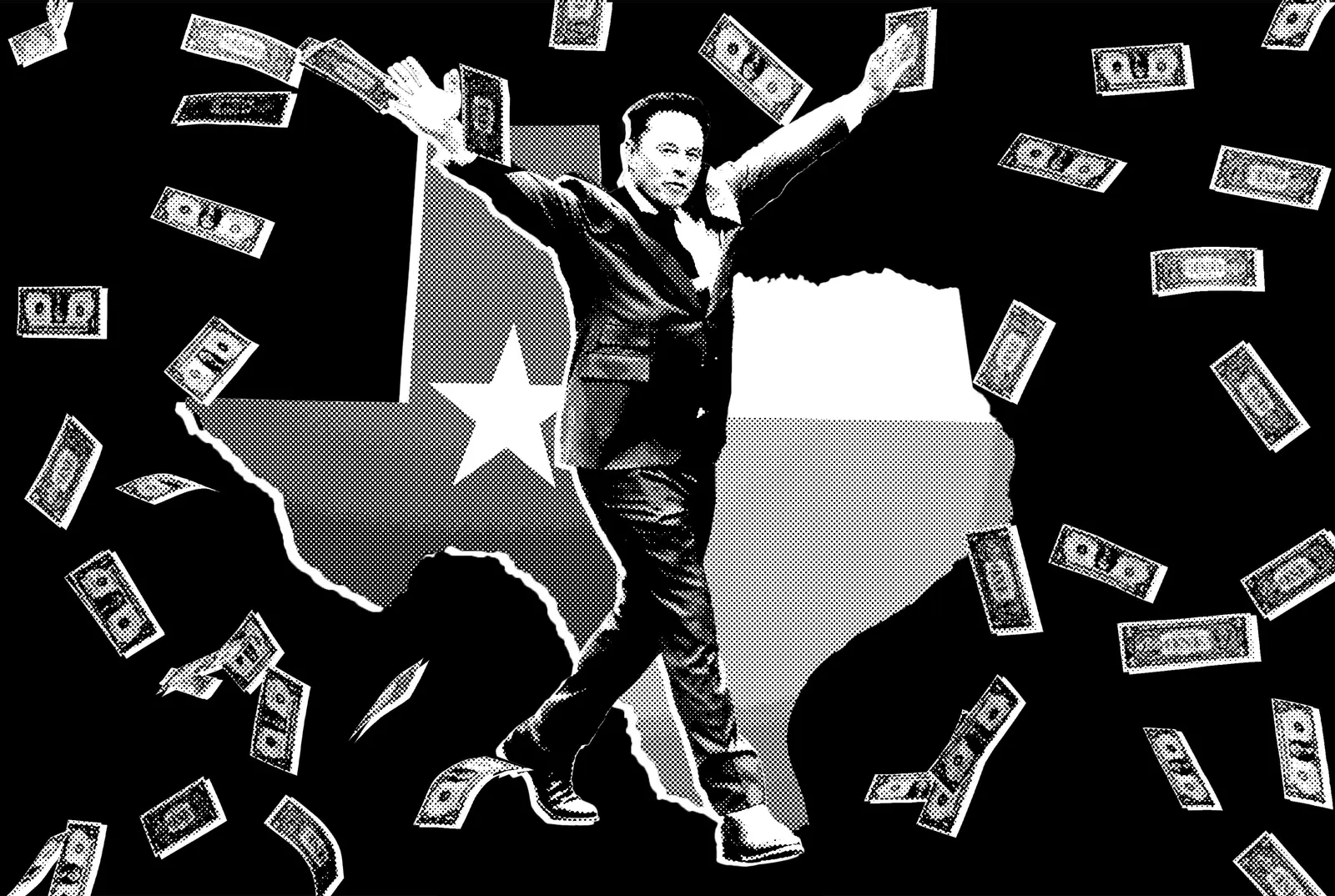
Musk Expected to Pour Up to $200M Into 2026 Midterm Races
Elon Musk is projected to commit between $100 million and $200 million to Republican midterm efforts, with Texas a key focus.
Bezos Consortium Secures First Refusal on Liverpool Majority Stake
1892 Holdings acquired 38% of Liverpool FC for over £2bn, and holds an option to become majority shareholder within 12 months if FSG chooses to sell.