Mass Protests Challenge Modi's Authority as Ally Resigns

Prime Minister Modi's government faces unprecedented protests, prompting the resignation of key ally Dharmendra Pradhan amid public outrage.
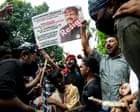
India's political landscape appears to be shifting dramatically as Prime Minister Narendra Modi contends with the largest mass protests during his 12-year tenure. Amid widespread demonstrations demanding accountability from his government, Modi was forced to accept the resignation of his education minister, Dharmendra Pradhan, a move that analysts describe as a significant setback for the Modi administration.
The Rise of the Cockroach Janta Party
The protests, driven by a grassroots movement known as the Cockroach Janta Party (CJP), have mobilized millions of young people across the nation. Sparked by revelations regarding a leaked exam paper that necessitated a retest for approximately two million students and was linked to multiple tragic suicides, this movement has expressed a collective demand for justice and accountability.
In a late-night Instagram address, Modi projected confidence by thanking citizens for their “thoughtful suggestions.” However, less than a day later, he accepted Pradhan's resignation, revealing a vulnerability rarely seen in his administration, which has maintained near-absolute authority since 2014.
The Impact on Modi’s Government
Pradhan's departure is not merely a ministerial loss; it signifies a potential unraveling of Modi’s grip over his cabinet. As one of Modi's staunchest allies, Pradhan had implemented policies that aligned closely with the party's goals. Political analysts warn that such a precedent could lead to defections within Modi's inner circle, undermining his established hierarchy.
“The moment you begin dismissing your most loyal ministers, it creates an environment of uncertainty for others,” stated political columnist Pratap Bhanu Mehta.
Changing Dynamics of Political Discourse
Historically, Modi's Bharatiya Janata Party (BJP) has adeptly harnessed the online narrative to maintain control over public opinion. However, the scale and creativity of the CJP's digital communications have provided a counter-narrative that Modi appears ill-equipped to handle. Social media platforms have seen a surge in memes and content that fiercely criticize the government, undermining its carefully curated image.
Moreover, traditional media channels, long seen as allies of the BJP, have struggled to suppress the protests' momentum. Coverage initially downplayed the unrest, often suggesting foreign meddling as the cause. However, as protests escalated, the media’s credibility faced scrutiny, particularly as demonstrators utilized social platforms to counter misinformation.
Revival of Opposition Forces
The protests have not only galvanized young people but also reinvigorated opposition parties. The Congress party, often overshadowed in recent years, has found renewed energy in its support for the protests, with leader Rahul Gandhi becoming a prominent figure during the demonstrations. Any revival of dissent could be significant, as it represents a challenge to Modi's narrative dominance.
“This moment is about the assertion of political agency among diverse segments of society,” emphasized Mehta. The resurgence of activism among the youth suggests that discontent, previously subdued, could reshape India's political landscape.
Conclusion
With Modi's government facing unprecedented challenges from both the streets and political opposition, the implications could extend beyond immediate demands. As the Cockroach Janta Party continues to mobilize support, it raises questions regarding the future of governance under Modi. Will this wave of unrest lead to a reevaluation of authority in India, or will the government find ways to reassert control? The coming weeks will be pivotal in answering these questions.
Related on Ni4o: Modi Welcomes Amazon's Record $48 Billion India Investment · Modi's Growing Collection of Foreign Honours Draws Scrutiny · Milei's cabinet chief Adorni quits amid spending scandal
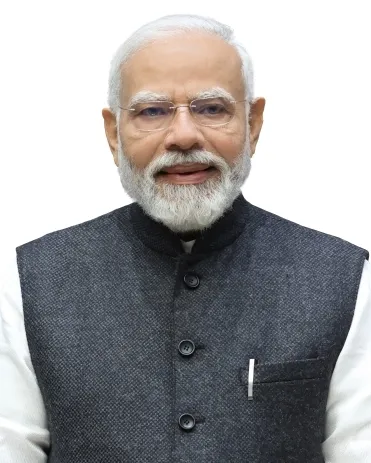 ProfileNarendra ModiPrime Minister of India
Related
California Senate Passes Post-Production Tax Bill; Newsom Must Act
SB 2319 cleared the California State Senate 33-5, creating a dedicated post-production tax incentive as the L.A. film industry continues to shrink.

Netanyahu Condemns West Bank Attack on NBC News Team as Settler Violence Escalates
Masked settlers assaulted an NBC News crew and a Palestinian woman in Jalud, injuring four journalists and drawing condemnation from Israel's prime minister.

Park Service Backs Trump Arch Despite Threat to DC Landmark Sightlines
A federal report endorses the proposed 250-foot gilded arch while acknowledging it will disrupt the visual integrity of dozens of historic Washington sites.