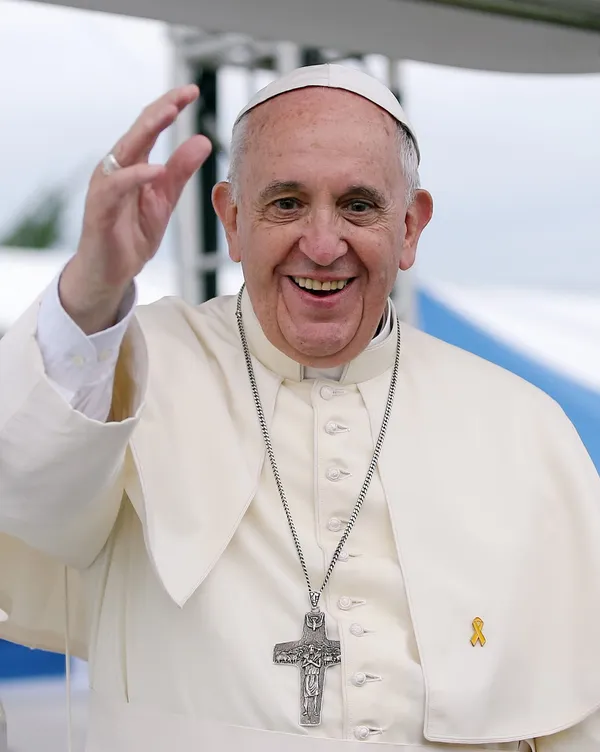
Pope Francis
266th Pope of the Catholic Church (2013-2025)
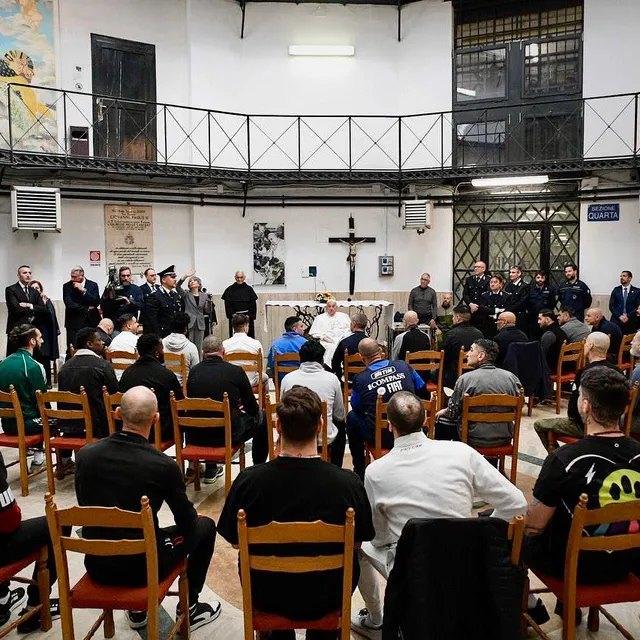
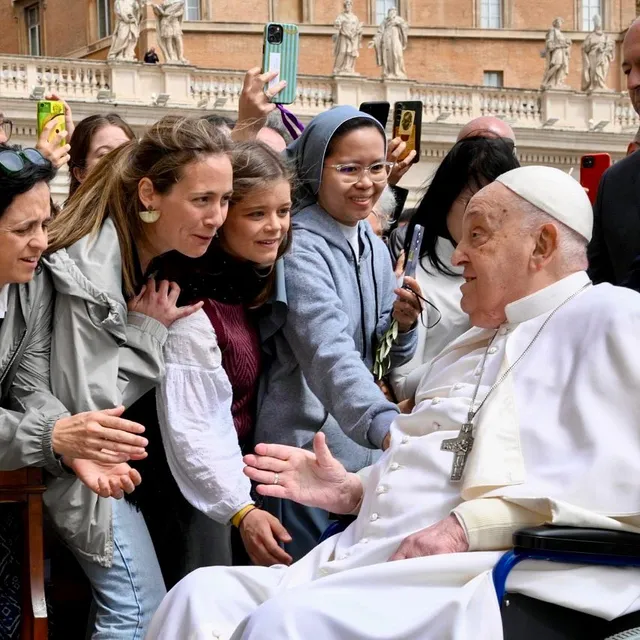
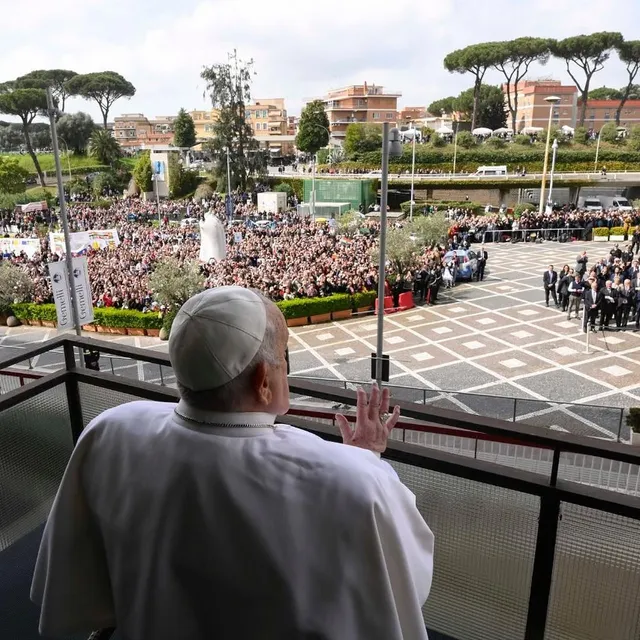
Pope Francis, born Jorge Mario Bergoglio, was the head of the Catholic Church and sovereign of the Vatican City State from 2013 until his death in 2025. He was the first pope from Latin America, the first member of the Jesuit order to hold the office, and the first to take the name Francis, in honor of Saint Francis of Assisi. His papacy was widely noted for an emphasis on humility, social justice, and outreach to those on the margins of society.
Early Life and Vocation
Bergoglio was born in 1936 in Buenos Aires, Argentina, to a family of Italian immigrant descent. As a young man he trained and worked briefly in chemistry before entering the priesthood. He joined the Society of Jesus, the Jesuits, and was ordained a priest in 1969. He rose through church leadership in Argentina, eventually becoming archbishop of Buenos Aires in 1998 and being elevated to cardinal in 2001. During this period he became known for a relatively simple personal lifestyle and a focus on pastoral work among the poor.
Papacy
Bergoglio was elected pope in March 2013 following the resignation of Pope Benedict XVI, an unusual event in modern church history. As Pope Francis, he sought to project a more accessible and pastoral image of the papacy, often emphasizing mercy, humility, and concern for the disadvantaged. He chose modest living arrangements within the Vatican rather than the traditional papal apartments.
His teaching addressed a wide range of social and moral themes. In 2015 he issued the encyclical "Laudato si'," which focused on environmental protection and climate change and drew attention well beyond Catholic circles. He frequently spoke about the plight of migrants and refugees, economic inequality, and global poverty. He also undertook administrative reforms of the Vatican's finances and governance, and he convened major synods on topics such as the family and the role of laypeople in the church.
Francis was both admired and criticized within the church. Some welcomed what they saw as a more open and compassionate tone on issues such as the pastoral treatment of divorced Catholics and LGBT individuals, while others, including some traditionalist Catholics, expressed concern that certain initiatives risked blurring established doctrine. He also faced the ongoing challenge of addressing clerical sexual abuse, taking some steps toward accountability while critics argued that more was needed.
Legacy
Pope Francis died in April 2025. Over his roughly twelve-year papacy he became one of the most recognizable global religious figures, frequently engaging on questions of international affairs, interfaith dialogue, and humanitarian concern. He traveled widely, visiting numerous countries and meeting with leaders of various faiths in an effort to promote dialogue and reconciliation.
Assessments of his papacy reflect the diversity of views within and outside the Catholic Church. Supporters credit him with renewing the church's emphasis on social justice and bringing a more pastoral spirit to its leadership, while critics raised concerns about doctrinal clarity or the pace of institutional reform. As the first Latin American and first Jesuit pope, he occupies a distinctive place in the history of the church, and his influence on Catholic teaching and on broader debates about poverty, migration, and the environment is likely to be studied and discussed for years to come.
Photos
Videos
On Instagram
FAQ
Pope Francis — Frequently asked questions
How old is Pope Francis?+
Pope Francis was born on December 17, 1936, which makes 89 years old.
Where is Pope Francis from?+
Pope Francis is from Argentina.
What is Pope Francis known for?+
Pope Francis is best known as Bishop, Writer, Politician. Notable work includes First Latin American and first Jesuit pope, leadership of the Catholic Church, emphasis on the poor, migration and the environment, encyclical Laudato si'.
Is Pope Francis on social media?+
Yes — Pope Francis is on Instagram, X (Twitter), YouTube. You can find the official links on this page.