Politics
Xi Jinping Offers Aid to Venezuela Following Devastating Earthquakes
China's President Xi Jinping has pledged disaster relief to Venezuela, where recent earthquakes have resulted in over 589 fatalities and thousands injured.
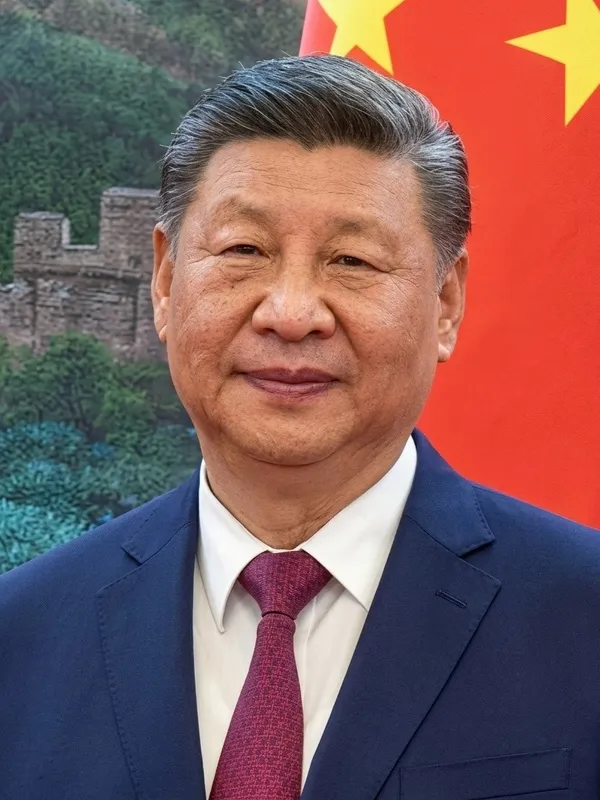
General Secretary of the Communist Party of China
Xi Jinping is a Chinese politician who serves as the most senior leader of the People's Republic of China, holding the top positions in the Communist Party of China, the state and the military. He is widely regarded as among the most powerful figures in contemporary global politics, and his leadership has had a profound influence on China's domestic direction and its role in the world.
Xi was born in 1953 into a family connected to the early leadership of the Communist Party; his father was a prominent revolutionary-era figure who later experienced political setbacks. As a young man during a turbulent period in modern Chinese history, Xi spent time living and working in the countryside, an experience often cited in accounts of his formative years. He later studied at university and gradually built a career within the Communist Party.
He advanced through a series of provincial and regional posts over many years, gaining administrative experience in several parts of the country. This long climb through the party hierarchy positioned him for senior national roles, and he eventually ascended to the highest levels of leadership.
Xi became General Secretary of the Communist Party of China, the country's paramount leadership position, and also took on the roles of head of state and chairman of the body overseeing the armed forces. Holding these top party, state and military positions together concentrated significant authority in his hands.
As leader, he launched wide-ranging initiatives across many areas of governance, including an extensive campaign against corruption within the party and state apparatus, efforts to guide and modernize the economy, and ambitious goals related to national development and technological advancement. He has also placed strong emphasis on the central role of the Communist Party in Chinese society and on a vision of national rejuvenation.
Under Xi's leadership, China has pursued an active and assertive role on the international stage, advancing major foreign policy and economic initiatives and seeking to expand its influence in global affairs. His tenure has involved significant attention to questions of national security, sovereignty and China's relationships with other major powers.
Domestically, his leadership has been associated with a strong emphasis on party discipline, social stability and long-term strategic planning. Changes during his time in power have included adjustments to leadership structures and term arrangements that have shaped expectations about the duration and continuity of his rule. His guiding ideas have been formally incorporated into the party's official framework, underscoring his central position.
Xi Jinping's leadership is frequently analyzed by observers around the world because of China's size, economic weight and growing global role. Decisions made under his guidance affect not only domestic policy within China but also international trade, security and diplomacy. As one of the defining political figures of the present era, his actions and priorities continue to draw close attention from governments, analysts and the public internationally, making him a central subject in discussions of contemporary world affairs.
China's President Xi Jinping has pledged disaster relief to Venezuela, where recent earthquakes have resulted in over 589 fatalities and thousands injured.
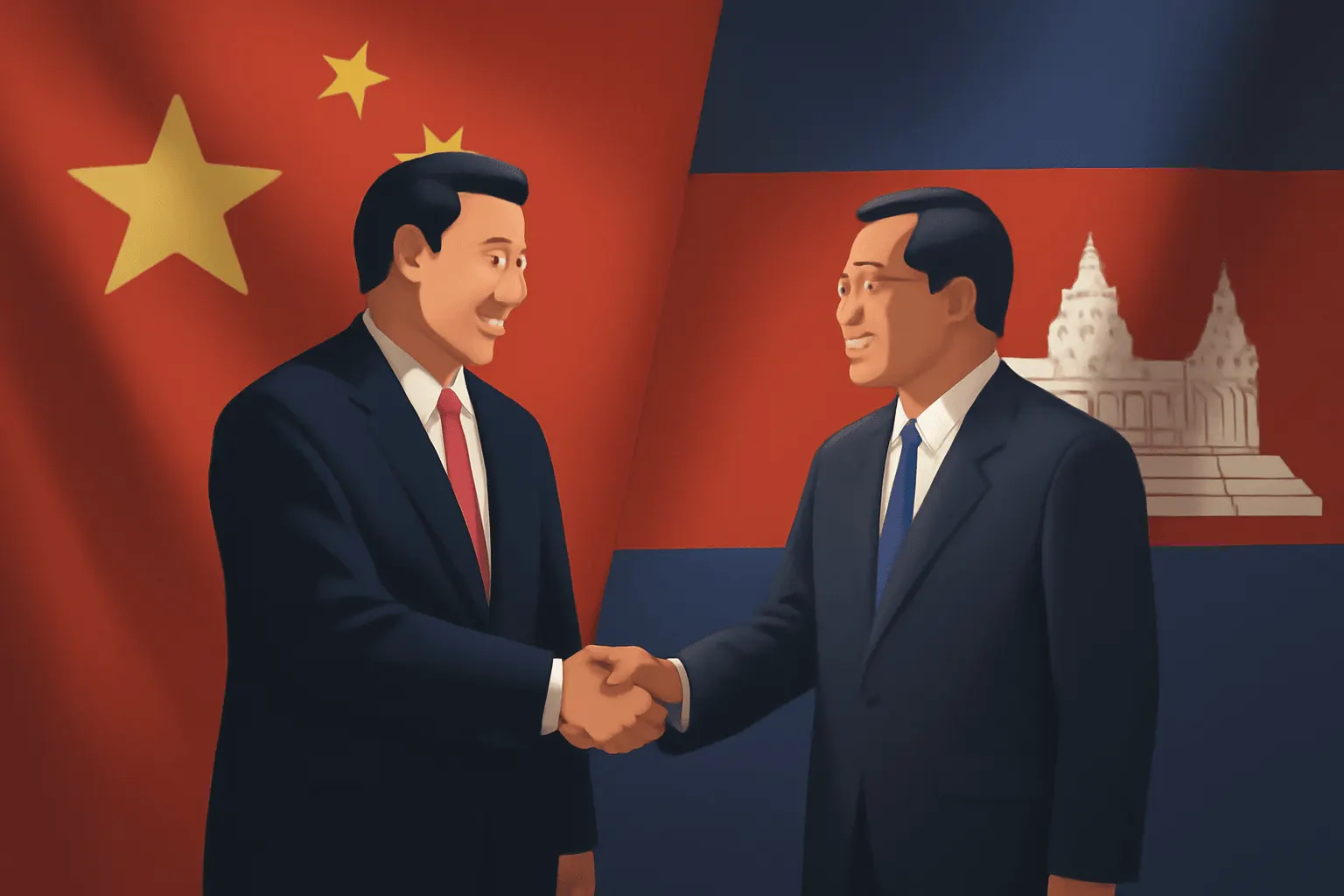
Xi Jinping met Cambodian Senate President Hun Sen in Beijing, pledging closer cooperation on security, trade and a crackdown on telecom fraud.
FAQ
Xi Jinping was born on June 15, 1953, which makes 73 years old.
Xi Jinping is from People's Republic of China.
Xi Jinping is best known as Politician, President of the Republic, Statesperson. Notable work includes General Secretary of the CPC, President of China, Chairman of the Central Military Commission.
Yes — Xi Jinping is on Facebook. You can find the official links on this page.