Von der Leyen Joins Ukraine Recovery Conference in Gdansk
The European Commission president opened the fifth Ukraine Recovery Conference in Gdansk, framing reconstruction and security as twin priorities for Kyiv.
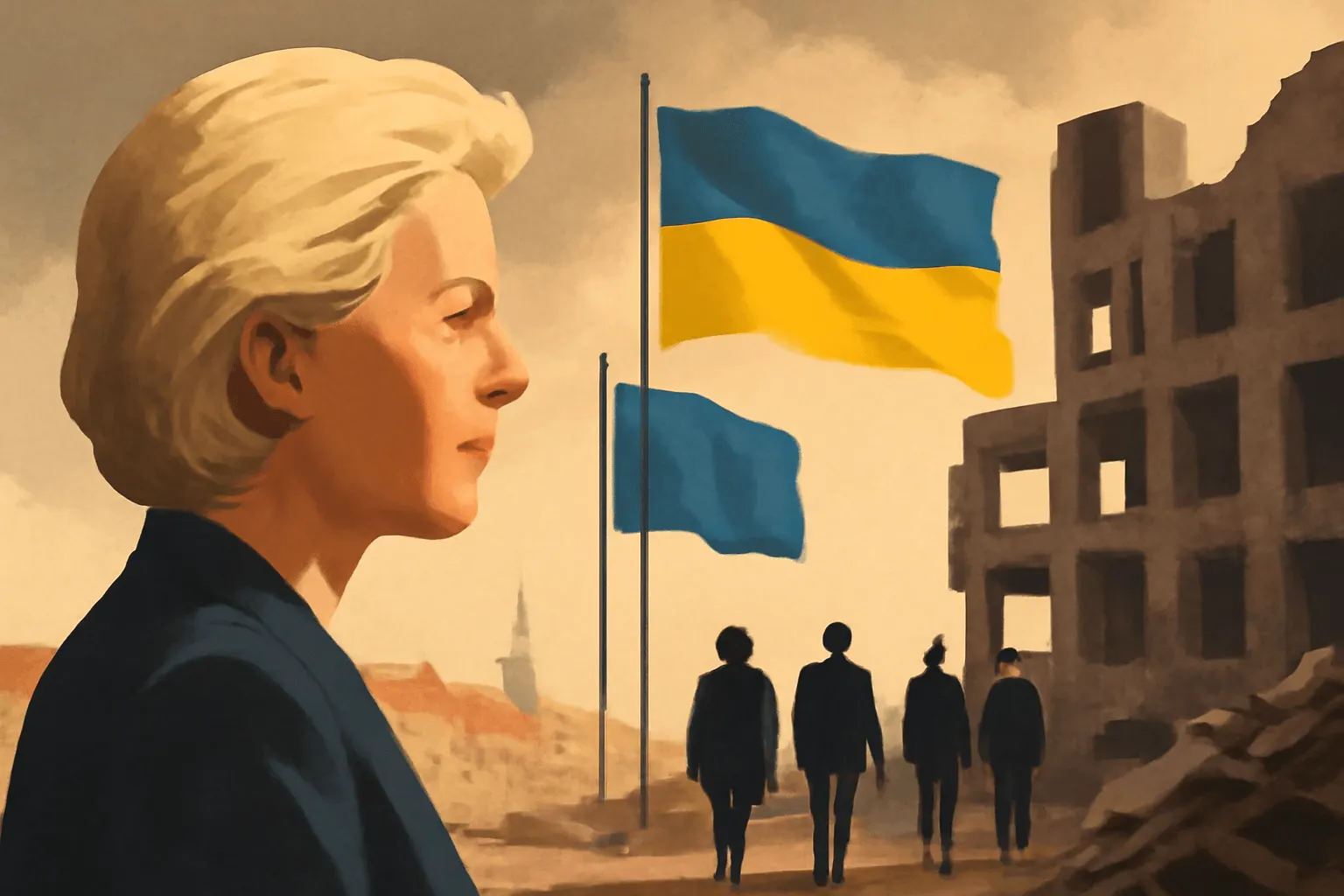
Brussels Brings Its Weight To Gdansk
European Commission President Ursula von der Leyen made the short journey to Gdansk, Poland, this week to lend the EU's most visible face to the fifth annual Ukraine Recovery Conference, according to the European Commission. Spread across 25 and 26 June 2026, the two-day summit was co-hosted by Poland and Ukraine and pulled together heads of government, cabinet ministers and senior European officials with a single coordinating purpose: aligning the international effort to rebuild a country still under daily attack.
The Commission says von der Leyen opened proceedings with the keynote address on Thursday morning, then moved into a leaders' session and an Eastern Flank Summit working lunch that gathered counterparts from eight nations. Much of the formal agenda zeroed in on the parts of Ukraine's economy that Russia's invasion has battered hardest, with energy supply, critical infrastructure and logistics networks at the heart of the conversation.
Defence Joins The Recovery Conversation
What set this year's gathering apart, the Commission notes, was the decision to fold Ukraine's security and defence needs directly into the recovery discussion for the first time. The shift reflects a hard lesson of the past years: there is little point pouring resources into rebuilding power plants, bridges and railways if Ukraine cannot defend them from the next wave of strikes. Reconstruction and self-defence, in other words, have become two halves of the same problem.
The leaders' table in Gdansk drew a notable cast of European and Ukrainian figures, including:
- European Council President Antonio Costa
- Polish Prime Minister Donald Tusk
- Ukrainian Prime Minister Yulia Svyrydenko
- Several additional members of the European Commission
EU officials cast their presence as part of a deliberate, long-running campaign to keep Ukraine high on the international agenda, both while the war grinds on and in the eventual peace that follows. They emphasised that sustaining momentum on energy resilience and critical infrastructure is not optional but urgent, given that Russian strikes continue to single out Ukrainian power generation and transport links.
Why The Meeting Carries Weight
The Gdansk conference is a reminder of how central the European Union has become to organising Western support for Kyiv. By showing up in person and delivering the opening remarks herself, von der Leyen sent a clear signal that Brussels has no intention of stepping back from its role as a driving force behind both emergency relief and the far larger task of long-term rebuilding. The decision to hold the event in Poland also spotlighted the growing influence of the EU's eastern flank states, the members closest to the war and often the most forceful in shaping policy toward Ukraine.
From Pledges To Projects
Now firmly established as an annual fixture, the Recovery Conference faces the same underlying challenge each year: turning political goodwill and financial commitments into tangible results on the ground. Organisers said the central goal in Gdansk was to translate pledges into concrete projects across energy, transport and reconstruction, rather than letting promises stall on paper. The new emphasis on defence adds a further dimension, ensuring that Ukraine's ability to protect what is rebuilt remains part of the plan rather than an afterthought. For von der Leyen and the European leaders alongside her, the message from Gdansk was that recovery and security must advance together if Ukraine is to emerge from the war on a stable footing. All details in this report are attributed to the European Commission.
Related on Ni4o: Putin Signals Peace Talks as Ukraine Strikes Batter Russia · Albanese Vows to Toughen Australia's Under-16 Social Media Ban · Netanyahu hails Israel-Lebanon framework deal as historic
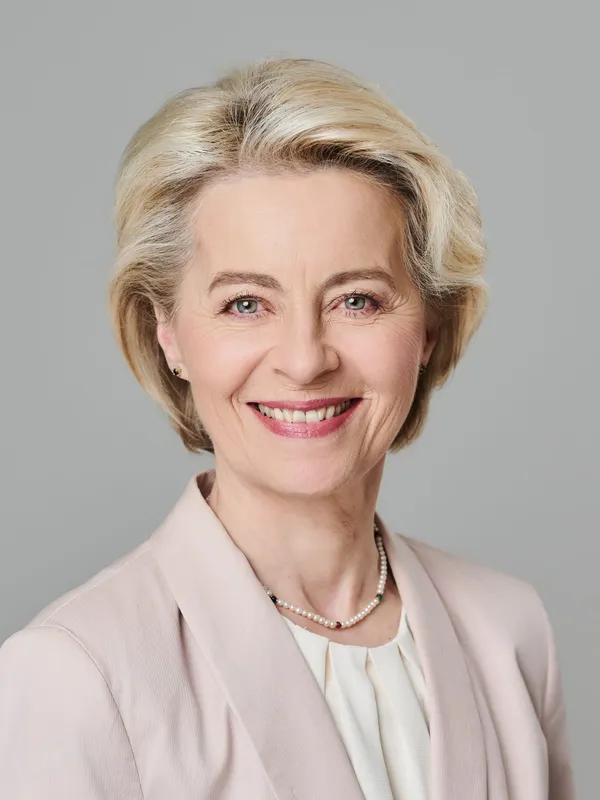 ProfileUrsula von der LeyenPresident of the European Commission
Related
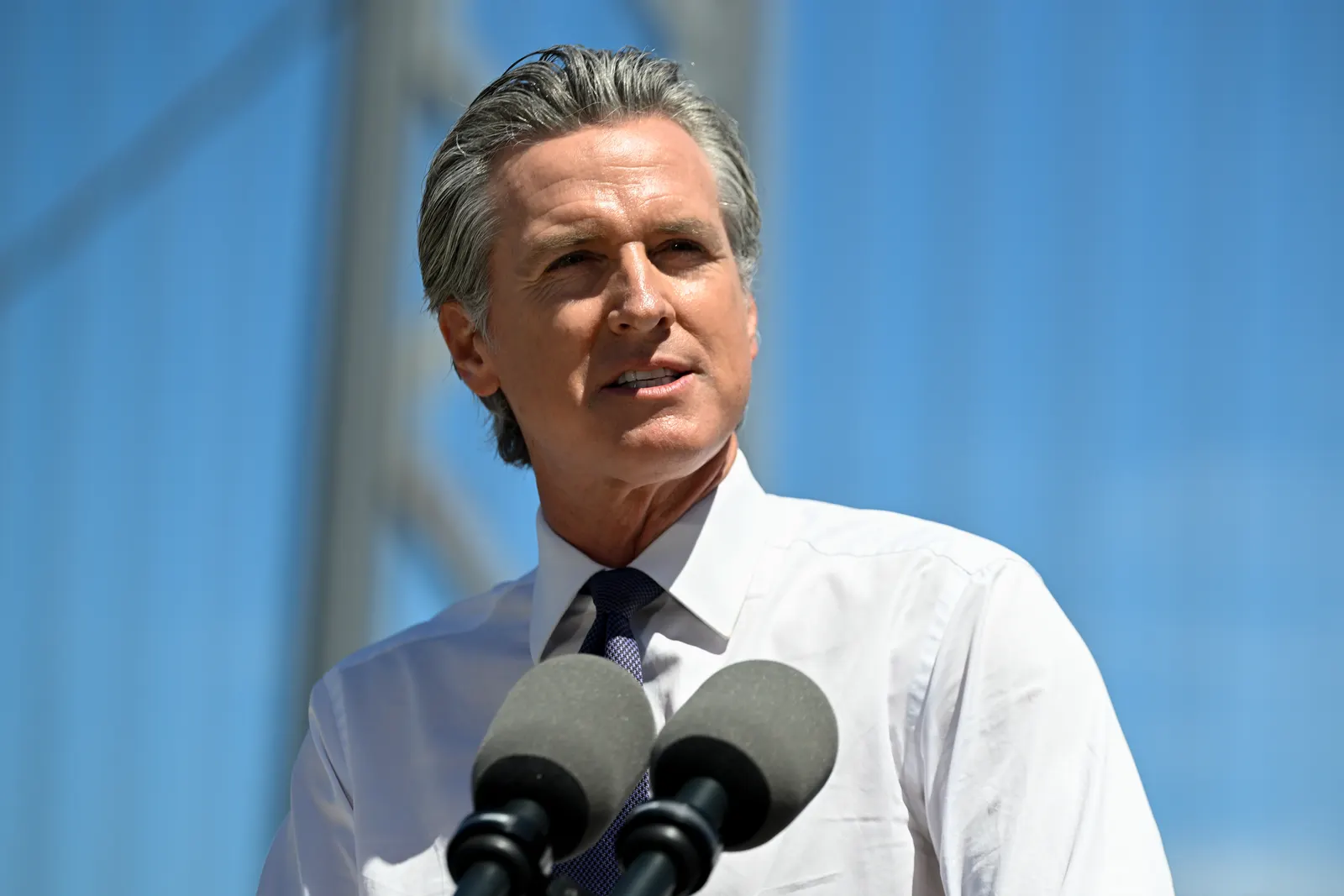
California Senate Passes Post-Production Tax Bill; Newsom Must Act
SB 2319 cleared the California State Senate 33-5, creating a dedicated post-production tax incentive as the L.A. film industry continues to shrink.
Netanyahu Condemns West Bank Attack on NBC News Team as Settler Violence Escalates
Masked settlers assaulted an NBC News crew and a Palestinian woman in Jalud, injuring four journalists and drawing condemnation from Israel's prime minister.

Park Service Backs Trump Arch Despite Threat to DC Landmark Sightlines
A federal report endorses the proposed 250-foot gilded arch while acknowledging it will disrupt the visual integrity of dozens of historic Washington sites.