Zelenskyy Details Russia's Latest Week of Airstrikes

President Zelenskyy laid out the scale of Russia's bombardment over the past week, reporting nearly 3,000 aerial weapons fired across 15 Ukrainian regions.
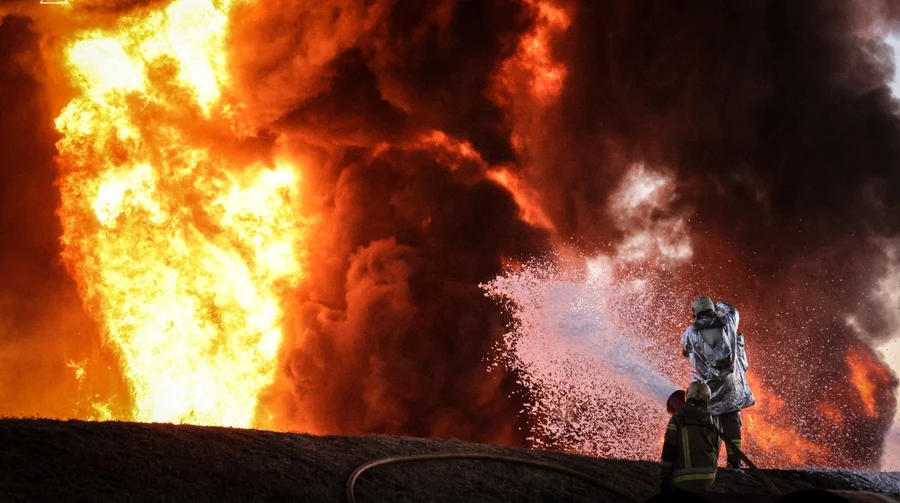
Seven Days, Nearly 3,000 Weapons
Ukrainian President Volodymyr Zelenskyy has attached hard numbers to the punishing pace of Russia's latest aerial offensive, according to Ukrainska Pravda. In a public update issued on 27 June 2026, Zelenskyy said Russian forces had unleashed close to 3,000 aerial weapons on Ukraine over the course of a single week, a figure that captures just how relentless the bombardment has become.
The president laid out a breakdown that left little to the imagination:
- Around 1,400 attack drones
- Almost 1,500 guided aerial bombs
- 19 missiles
By his account, 15 Ukrainian oblasts came under fire during the period, with the heaviest and most frequent strikes falling on Kherson, Zaporizhzhia, Kharkiv and Sumy. These are regions that sit on or near the front lines and have endured near-daily attack for much of the war. Ukrainska Pravda also reported a fresh overnight assault layered on top of the weekly figures: Russia is said to have fired 129 drones during the night of 26 to 27 June, of which Ukrainian forces shot down or jammed 113.
The Renewed Push For Air Defence
Zelenskyy did not present the numbers in isolation. He used them to press once again for stronger air defences, which he framed as a central priority for the country. The fact that both frontline zones and rear areas continue to be targeted, he suggested, is precisely why Ukraine requires sustained outside support to intercept incoming drones and missiles and to shield civilians and critical infrastructure from harm.
That emphasis fits neatly with the broader message Kyiv has been carrying to its partners this month. Ukrainian officials have repeatedly urged allies to supply additional interceptors and air defence systems, arguing that only by expanding their protective umbrella can they blunt the scale of attacks like the one Zelenskyy described.
A Window Into Russia's Strategy
The weekly tally offers more than a snapshot of damage; it illustrates how heavily Russia continues to lean on mass drone and glide-bomb attacks. Such weapons are comparatively cheap to produce and deploy in large numbers, and used in volume they are designed to stretch Ukrainian defences thin, forcing defenders to spend expensive interceptors on swarms of low-cost threats. By publicising the totals, Zelenskyy appeared to pursue two goals at once: documenting the sheer pressure his country is absorbing, and reminding international audiences that the war remains intense and far from frozen.
According to Ukrainska Pravda, the figures emerged as Russian forces maintained pressure across multiple fronts, with civilian areas in the south and east bearing much of the brunt of the violence. At the same time, the high interception rate during the most recent overnight raid, with 113 of 129 drones neutralised, points to the real value of the air defence assets Ukraine already operates.
What The Numbers Signal
For Kyiv, that interception success is a double-edged message. It demonstrates that existing systems work and save lives, while reinforcing the argument that more are urgently needed to cover the gaps. As long as Russia can keep launching drones and bombs by the thousand each week, Ukrainian officials contend, the demand for additional defensive capacity will only grow. Zelenskyy's update, in that sense, doubled as both a battlefield accounting and a diplomatic appeal. All figures and specific details in this report are attributed to Ukrainska Pravda.
Related on Ni4o: Von der Leyen Joins Ukraine Recovery Conference in Gdansk · Milei's cabinet chief Adorni quits amid spending scandal · Albanese Vows to Toughen Australia's Under-16 Social Media Ban · Netanyahu hails Israel-Lebanon framework deal as historic
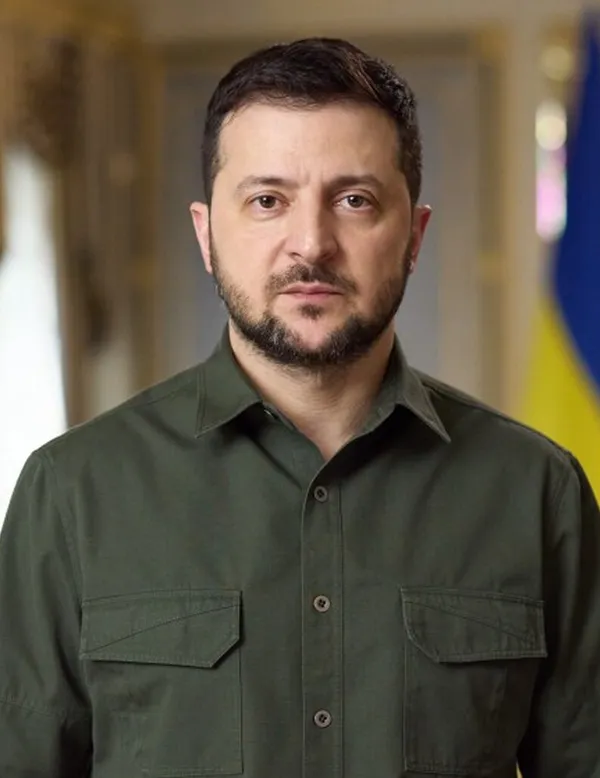 ProfileVolodymyr ZelenskyyPresident of Ukraine and Former Entertainer
Related

California Senate Passes Post-Production Tax Bill; Newsom Must Act
SB 2319 cleared the California State Senate 33-5, creating a dedicated post-production tax incentive as the L.A. film industry continues to shrink.

Netanyahu Condemns West Bank Attack on NBC News Team as Settler Violence Escalates
Masked settlers assaulted an NBC News crew and a Palestinian woman in Jalud, injuring four journalists and drawing condemnation from Israel's prime minister.

Park Service Backs Trump Arch Despite Threat to DC Landmark Sightlines
A federal report endorses the proposed 250-foot gilded arch while acknowledging it will disrupt the visual integrity of dozens of historic Washington sites.