Putin Signals Peace Talks as Ukraine Strikes Batter Russia

As Ukrainian drone strikes hammer Russian oil infrastructure and rattle cities, Putin says Moscow is ready to revive peace talks on the 2022 Istanbul terms.
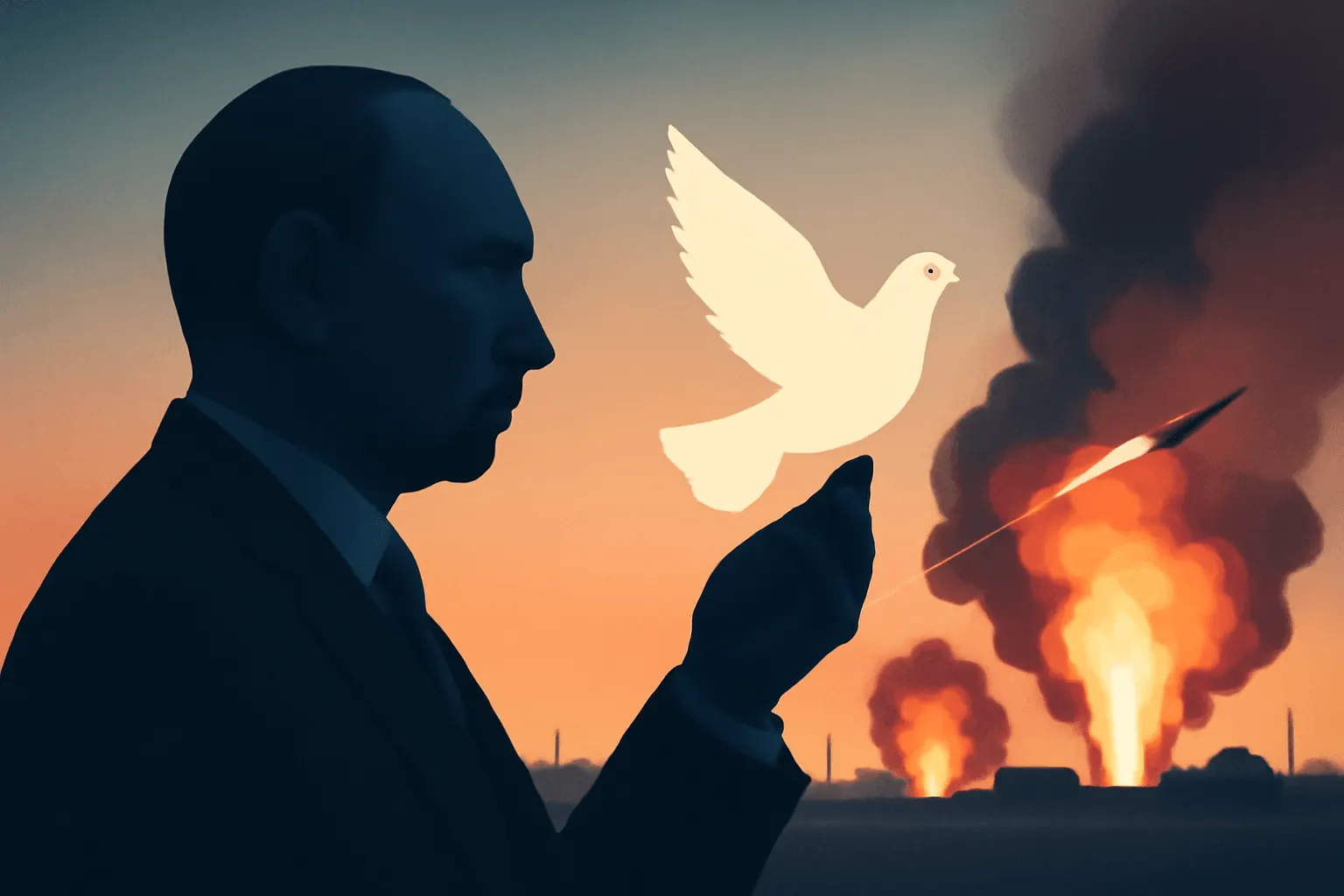
A diplomatic gesture from a pressured Kremlin
Vladimir Putin has opened the door, at least rhetorically, to a return to the negotiating table. The Russian president said Moscow is prepared to hold peace talks with Ukraine on the basis of the 2022 Istanbul agreements, according to Al Jazeera, which reported the remarks on 25 June 2026. The timing is striking: the overture arrived just as Ukrainian long-range strikes were inflicting some of their most visible damage yet inside Russia itself.
That juxtaposition has fueled skepticism about Putin's intentions. Analysts cited by the outlet suggested the call for talks may be less a sincere pivot toward peace than an attempt to buy time while Russia's military campaign loses momentum. The Istanbul framework, after all, is one Ukraine has long regarded as tilted heavily toward Russian demands, allowing the Kremlin to project openness to diplomacy-lebanon-framework-deal) without necessarily surrendering any of its core positions.
A shifting battlefield
What gives the moment its weight is a sense that the war's trajectory may be changing. Researcher Nikolay Mitrokhin told Al Jazeera that "for the first time since the autumn of 2022 Ukraine has a chance to win the war," citing a failed Russian summer offensive and a stalled advance in the Donbas. It is a notably bold assessment after years in which Moscow held the initiative, and it helps explain why a peace signal from the Kremlin is being read with such caution.
The war comes home to Russia
Perhaps the most significant shift described in the report is geographic. For much of the conflict, the costs were concentrated at the front, far from the daily lives of most Russians. That is no longer the case. Al Jazeera details how Ukrainian drone attacks have hammered Russian oil infrastructure, setting off fuel shortages across several regions. Among the effects cited:
- Residents of Yekaterinburg reporting rising prices, shop closures and shortages at petrol stations
- Toxic "oil rains" falling on Moscow following June refinery attacks
- Reports of rising desertion requests among Russian soldiers
- Some Moscow residents decamping for the countryside, even as strikes reach more than 280 km inland
Each of these points to a population beginning to feel the war directly, whether through queues at the pumps, the fallout from burning refineries, or the unsettling reality that strikes can now reach deep into the country's interior.
An economy under strain
The pressure is not only physical but structural. Al Jazeera pointed to a June report from Sweden's Kiel Institute warning that Russia faces what it called "structural exhaustion." The assessment stops short of predicting collapse, but it argues that the foundations of the Russian economy are steadily eroding under the combined weight of war spending, sanctions and disruption to key industries. For a government that has long insisted it can absorb the costs of the conflict indefinitely, such warnings complicate the picture.
Reading the signals
Taken together, the developments capture the bind Putin appears to be in. By invoking the Istanbul terms, he can present Russia as the reasonable party while conceding little of substance, a posture critics quoted by Al Jazeera dismiss as a stalling tactic rather than a genuine change of course. Whether Ukraine or its Western partners treat the offer as worth testing remains an open question, and much will depend on conditions on the battlefield in the weeks ahead. What is clearer, according to the report, is that the war is increasingly being felt by ordinary Russians, a marked departure from the early phase of the conflict when its hardest edges were kept far from home.
Related on Ni4o: Von der Leyen Joins Ukraine Recovery Conference in Gdansk · Albanese Vows to Toughen Australia's Under-16 Social Media Ban
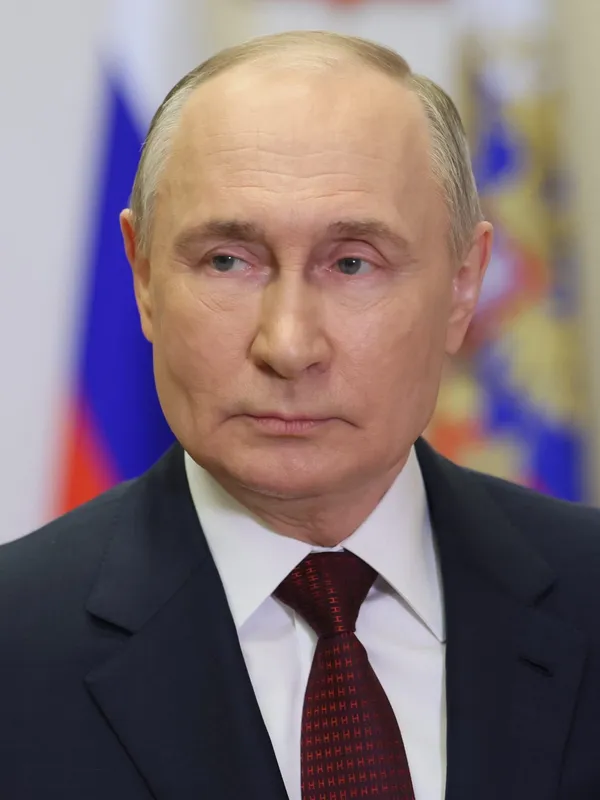 ProfileVladimir PutinPresident of Russia
Related
California Senate Passes Post-Production Tax Bill; Newsom Must Act
SB 2319 cleared the California State Senate 33-5, creating a dedicated post-production tax incentive as the L.A. film industry continues to shrink.
Netanyahu Condemns West Bank Attack on NBC News Team as Settler Violence Escalates
Masked settlers assaulted an NBC News crew and a Palestinian woman in Jalud, injuring four journalists and drawing condemnation from Israel's prime minister.

Park Service Backs Trump Arch Despite Threat to DC Landmark Sightlines
A federal report endorses the proposed 250-foot gilded arch while acknowledging it will disrupt the visual integrity of dozens of historic Washington sites.