Politics
Von der Leyen Joins Ukraine Recovery Conference in Gdansk
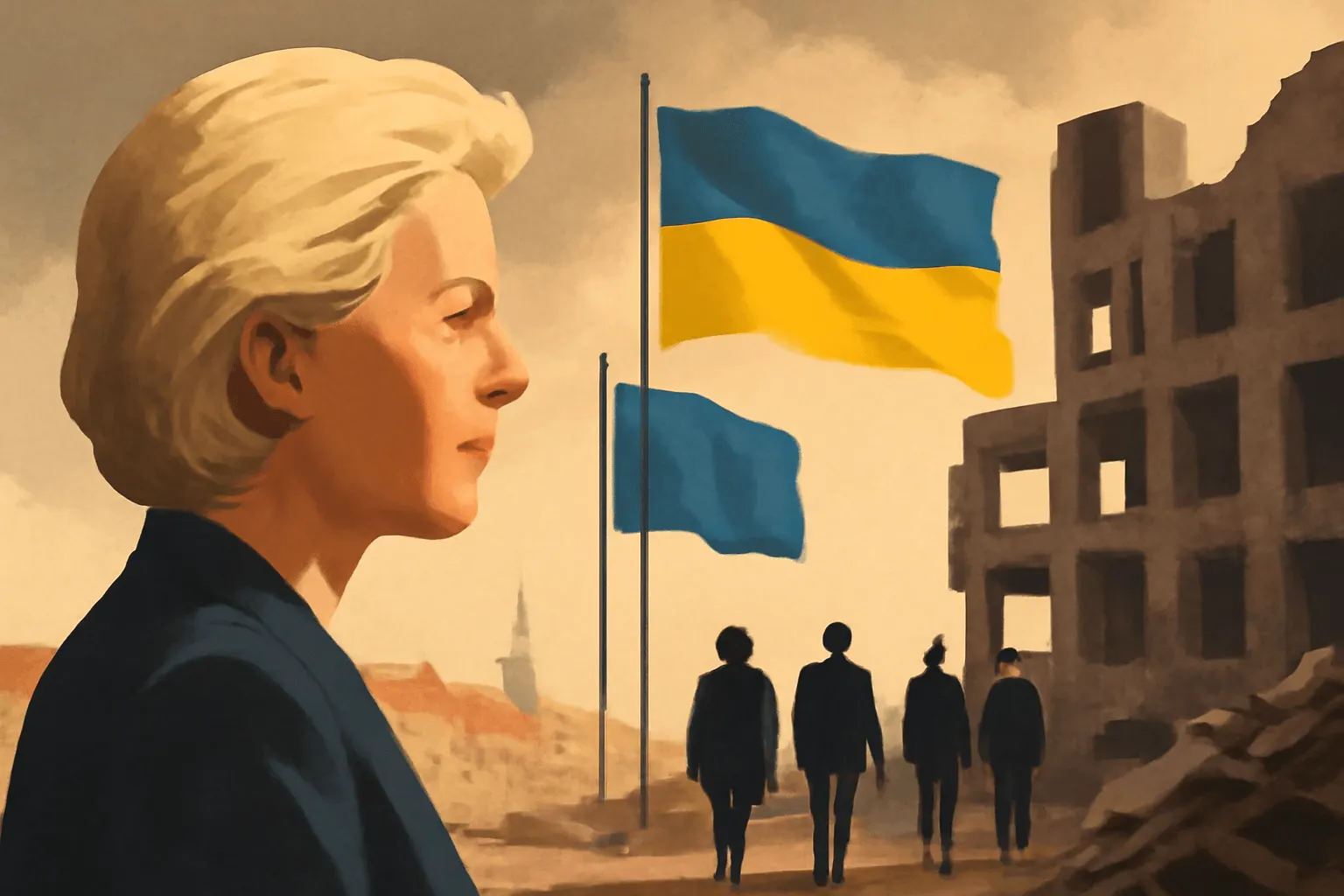
The European Commission president opened the fifth Ukraine Recovery Conference in Gdansk, framing reconstruction and security as twin priorities for Kyiv.
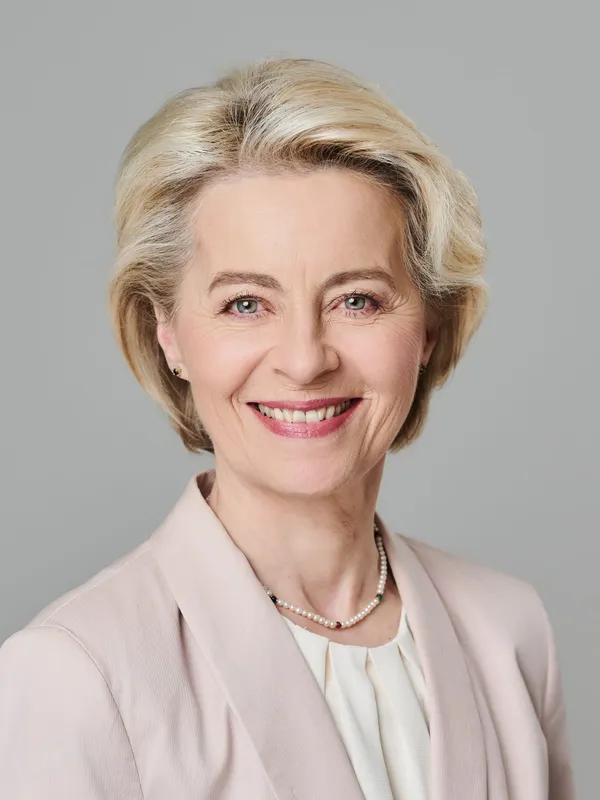
President of the European Commission
Ursula von der Leyen is a German politician serving as President of the European Commission, the executive arm of the European Union. The first woman to hold the post, she has guided the bloc through a series of major crises and ambitious policy initiatives, becoming one of the most prominent leaders in European politics.
Von der Leyen was born in Brussels, where her father, a German politician, worked in the early institutions of the European community, giving her an early connection to the European project. She trained and qualified as a medical doctor before turning to public life, and she also spent time studying economics. Her European upbringing and multilingual background later became defining features of her political identity.
She entered German politics through the Christian Democratic Union and rose steadily through national government. Over more than a decade she held several senior cabinet posts, serving as the federal minister responsible for family affairs, then for labor and social policy, and ultimately as Germany's first female Minister of Defence. In these roles she championed measures related to family policy, childcare, and workforce participation, and she managed the complex and politically sensitive defense portfolio during a period of significant security challenges.
Von der Leyen was nominated and confirmed as President of the European Commission, a milestone that made her the first woman to lead the institution. As Commission President she set out an ambitious agenda centered on climate, digital transformation, economic resilience, and Europe's role in the world.
A signature initiative of her tenure has been the European Green Deal, a sweeping plan aimed at making the European Union climate-neutral by mid-century through reforms across energy, industry, transport, and agriculture. Her Commission also navigated the coronavirus pandemic, coordinating a joint approach to vaccine procurement and a large recovery fund intended to support member states' economies, efforts that drew both praise for solidarity and criticism over aspects of execution.
Her leadership has been heavily shaped by geopolitical upheaval, including the war on Europe's eastern flank following the invasion of Ukraine. In response, she helped coordinate sanctions packages, energy diversification away from dependence on a single supplier, and support for Ukraine, positioning the Commission as a central actor in the bloc's collective response. She has also pushed forward work on migration, trade, industrial strategy, and strengthening Europe's economic security.
Von der Leyen is regarded as a disciplined, detail-oriented, and energetic leader who has expanded the visibility and assertiveness of the Commission on the global stage. Supporters credit her with steering the EU through overlapping emergencies and advancing long-term goals on climate and competitiveness, while critics have at times questioned transparency, centralization of decision-making, and specific policy choices.
Having secured a renewed mandate, she continues to shape the direction of the European Union on issues ranging from the green and digital transitions to defense and enlargement. As a barrier-breaking figure and a central architect of contemporary EU policy, Ursula von der Leyen occupies a pivotal place in the evolving story of European integration and the bloc's pursuit of strategic influence in a turbulent world.
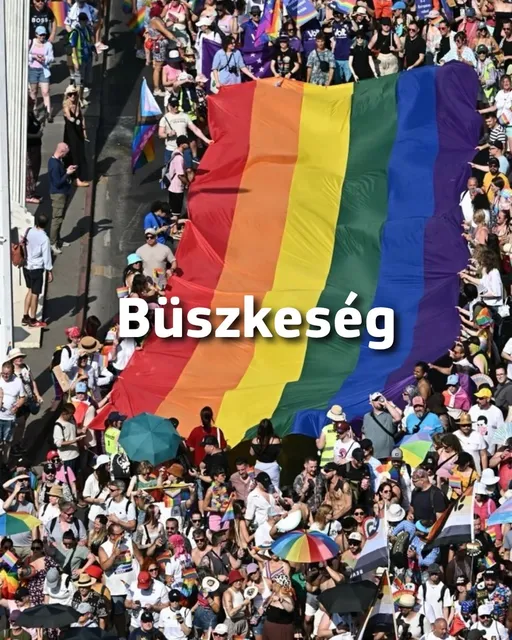
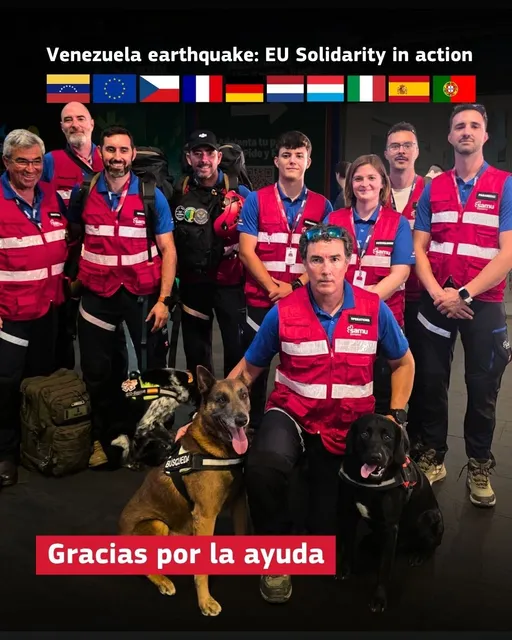
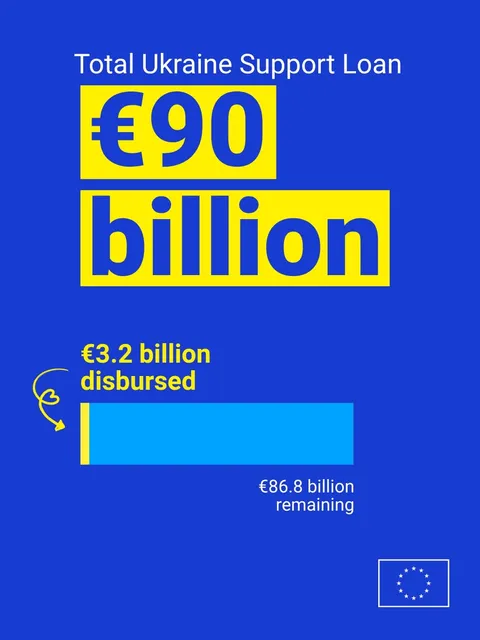

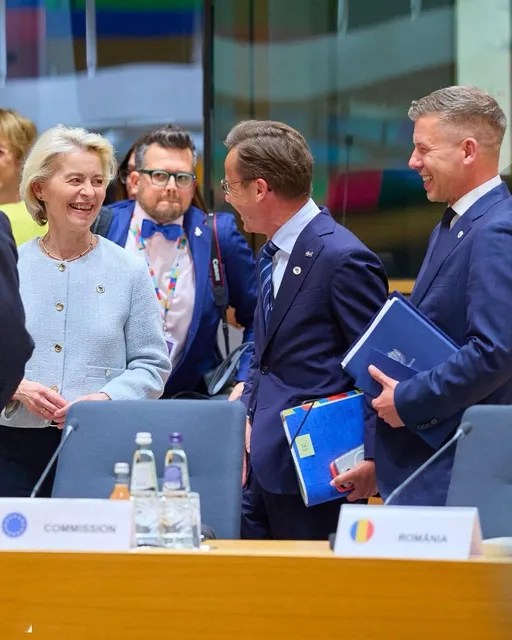
The European Commission president opened the fifth Ukraine Recovery Conference in Gdansk, framing reconstruction and security as twin priorities for Kyiv.
FAQ
Ursula von der Leyen was born on October 8, 1958, which makes 67 years old.
Ursula von der Leyen is from Germany.
Ursula von der Leyen is best known as Physician, Politician, Equestrian. Notable work includes European Commission President, German Defence Minister, European Green Deal, EU pandemic response.
Ursula von der Leyen is 1.61 m (161 cm) tall.
Yes — Ursula von der Leyen is on Instagram, X (Twitter). You can find the official links on this page.