Japan Addresses Espionage Threat Amid Putin's Intelligence Operations

Japan acknowledges the urgency to enhance counterintelligence efforts following claims of becoming a hub for Russian espionage and weapon procurement.

Japan has reacted to recent revelations that it has become a stronghold for Russian intelligence operations, particularly in the wake of the ongoing conflict in Ukraine. According to a report by The New York Times, the country has been identified as a significant source for Russian weapons components, prompting officials to emphasize the need for robust measures to combat foreign espionage.
Growing Espionage Concerns
Chief government spokesperson Minoru Kihara highlighted the evolving security landscape, asserting that Japan must take decisive action to counter increasing foreign intelligence activities that may jeopardize national security. While addressing reporters, Kihara refrained from explicitly commenting on the details of the New York Times report, but stressed the importance of tackling the issue "with even greater rigour."
In light of these developments, Japan's parliament has taken steps to enhance its intelligence framework, enabling the establishment of a national agency to streamline intelligence operations. This legislative move aims to fortify the country's defenses against foreign espionage, particularly from Russia.
Russian Operations Uncovered
The investigation pointed out several alarming statistics and details, including estimates from Ukrainian officials indicating that around 90% of Russian missiles and drones incorporate Japanese technology. This situation raises significant concerns for Japan, as it underscores the implications of its technology being utilized in military actions abroad.
The report outlined how Russian intelligence operatives, previously expelled from Western nations after the outbreak of the war in Ukraine, have settled in Japan to exploit the country's advanced technology sector and lax espionage laws. Some of these operations are allegedly coordinated by a Russian intelligence agent based in Tokyo, working with the state-owned airline Aeroflot.
Implications of Weak Laws
Japan's espionage laws are considered relatively weak due to historical constraints imposed after World War II. These legal deficiencies have created an environment conducive to espionage activities, allowing foreign agents to comfortably operate within its borders. The New York Times' findings suggest that the procurement of dual-use technology, which may serve military and civilian purposes, is being facilitated through intermediary networks in other nations, including Vietnam and Uzbekistan.
Lawmaker Akihisa Shiozaki, who has experience prosecuting industrial espionage cases, expressed serious concerns regarding Japan's current situation. "We have a sense of crisis about this situation," Shiozaki remarked, emphasizing the profound implications for national security.
A Call to Action
As Japan continues to grapple with the complexities of its intelligence response, it remains imperative for the government to address these vulnerabilities head-on. The ongoing conflict between Russia and Ukraine significantly reshapes international dynamics and heightens the urgency for nations to prioritize their security measures. The international community watches closely how Japan navigates this critical juncture, particularly in relation to Russia's ongoing military strategies.
Addressing domestic security challenges is essential, as Japan's technological advancements make it a valuable target for espionage activities. The response to this growing threat may shape Japan's intelligence landscape and influence its relationships with allies, particularly in the context of countering Russian aggression.
As the situation develops, the need for vigilance and proactive measures becomes ever clearer, reinforcing the importance of strengthening national security approaches in today's rapidly evolving geopolitical environment.
For further reading on the impacts of the Ukraine conflict and international responses, you can explore articles such as Zelenskyy Details Russia's Latest Week of Airstrikes and Putin Concedes Ukraine's Strikes Are Creating 'Obvious' Fuel Shortages.
Related on Ni4o: Putin Signals Peace Talks as Ukraine Strikes Batter Russia
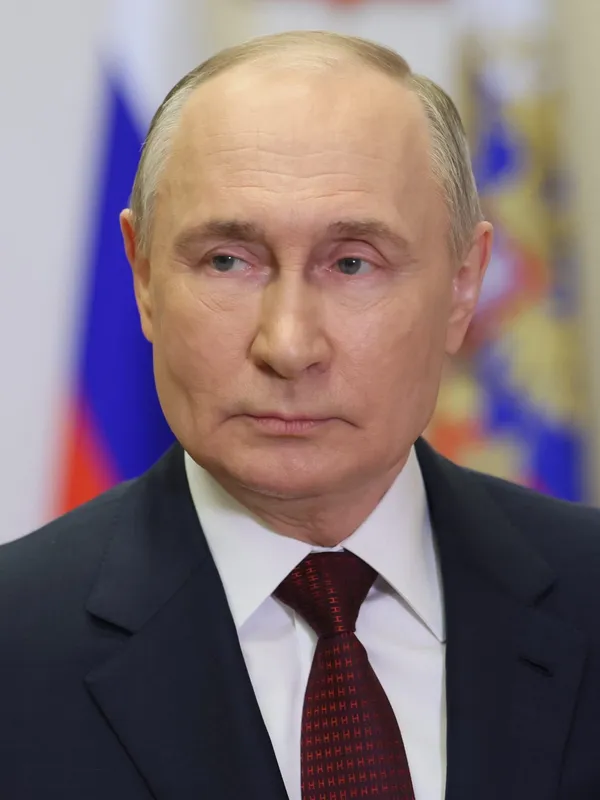 ProfileVladimir PutinPresident of Russia
Related
California Senate Passes Post-Production Tax Bill; Newsom Must Act
SB 2319 cleared the California State Senate 33-5, creating a dedicated post-production tax incentive as the L.A. film industry continues to shrink.

Netanyahu Condemns West Bank Attack on NBC News Team as Settler Violence Escalates
Masked settlers assaulted an NBC News crew and a Palestinian woman in Jalud, injuring four journalists and drawing condemnation from Israel's prime minister.

Park Service Backs Trump Arch Despite Threat to DC Landmark Sightlines
A federal report endorses the proposed 250-foot gilded arch while acknowledging it will disrupt the visual integrity of dozens of historic Washington sites.