Putin Concedes Ukraine's Strikes Are Creating 'Obvious' Fuel Shortages

The Russian president publicly acknowledged fuel supply problems caused by Ukrainian attacks on energy infrastructure, while insisting the situation remains manageable.
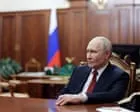
Vladimir Putin has made one of his most candid public admissions to date regarding the material impact of Ukraine's retaliatory campaign, conceding that strikes on Russian energy infrastructure have produced measurable shortages — though he was quick to characterize the situation as less than critical. The acknowledgment, published in a Kremlin interview on Sunday, arrived against a backdrop of escalating Ukrainian drone and missile operations targeting refineries and logistics networks deep inside Russian territory.
Putin Acknowledges the Problem
Speaking in terms that departed from the typically dismissive official line, Putin stated that Ukrainian attacks on infrastructure were creating problems that were, in his word, "obvious." He described what he called "a certain shortage" of fuel supplies currently affecting the country, while stopping short of framing it as a crisis. The remarks, reported according to The Guardian World, were notable for their directness — a marked contrast to the customary posture of Russian state communications on the war's domestic consequences.
Hours before the interview was published, Putin addressed the United Russia party congress in similarly measured but firm language. He acknowledged visible difficulties and pledged that Russia would "overcome all the challenges" it faces, specifically referencing what he termed "terrorist attacks" on Russian soil and infrastructure. He also reaffirmed commitments to border security and citizen protection.
Crimea Declares Emergency as Pressure Mounts
The timing of Putin's statements is significant. Authorities in Russia-annexed Crimea declared an official "emergency situation" on Friday, citing fuel shortages and power outages attributed to Ukrainian strikes on oil facilities and supply chains. Russia seized Crimea from Ukraine in 2014, a move rejected by the overwhelming majority of the international community. Putin identified ensuring fuel supplies to the peninsula as a priority, alongside expanding anti-aircraft defense capacity across the country.
The situation in Crimea illustrates the broader vulnerability that Ukrainian operations have exposed. By targeting logistics nodes and refining capacity, Kyiv has forced Moscow into a defensive posture on the energy front — an arena that Russian planners had not anticipated would become a significant liability.
Ukraine Targets Refineries Hundreds of Kilometers from the Front
President Volodymyr Zelenskyy has been explicit about the strategy. On Sunday, he confirmed Ukrainian forces had struck the Slavyansk oil refinery in the Krasnodar region, roughly 300 kilometers from the front lines, and also hit a refinery in the Yaroslavl region approximately 700 kilometers from Ukraine's border. Zelenskyy described these as operations designed to "weaken Russia's ability to wage this war." For more on the scope of Ukraine's recent operational activity, see our coverage of how Zelenskyy Details Russia's Latest Week of Airstrikes.
Also on Sunday, a Ukrainian drone struck a refinery in Russia's Krasnodar region, killing one person and triggering a fire, according to the regional governor. Last week, a separate strike ignited a major blaze at a refinery southeast of Moscow, sending thick columns of black smoke over the capital's suburbs.
The Strategic Logic on Both Sides
Kyiv frames these operations as justified retaliation for Russia's sustained aerial bombardment of Ukrainian civilian infrastructure — strikes that have targeted power grids, heating systems, and water supplies across the country since Russia's full-scale offensive began in February 2022. The mirrored nature of the two sides' campaigns — each targeting the other's energy backbone — has become one of the defining features of the war's current phase. As discussions about the conflict's diplomatic trajectory continue to evolve, analysts have noted the interplay between military pressure and negotiating leverage. That dynamic is examined in greater depth in the related piece on how Putin Signals Peace Talks as Ukraine Strikes Batter Russia.
For now, Putin's public concession that Ukrainian strikes are generating tangible domestic effects represents a rare and telling data point — one that suggests the pressure campaign is achieving at least some of its intended results, even as the Kremlin insists the overall situation remains under control.
Related on Ni4o: Putin Signals Peace Talks as Ukraine Strikes Batter Russia
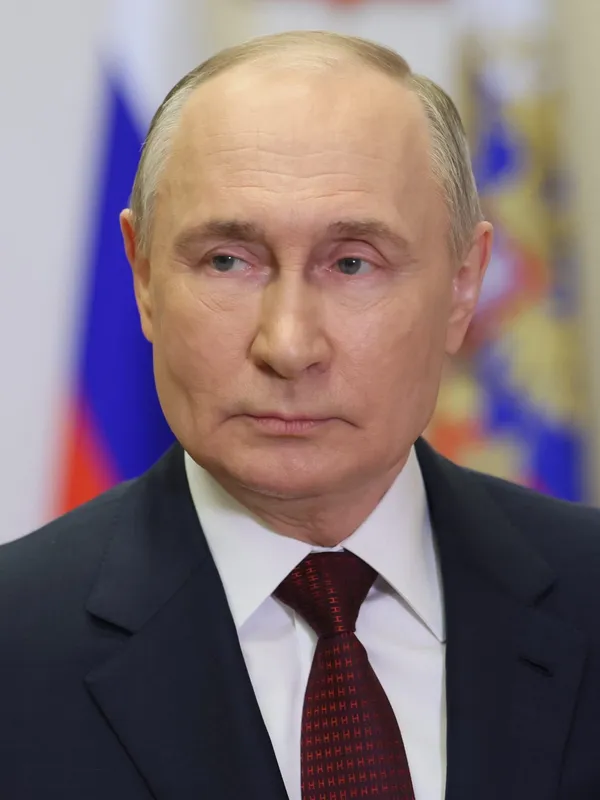 ProfileVladimir PutinPresident of Russia
Related
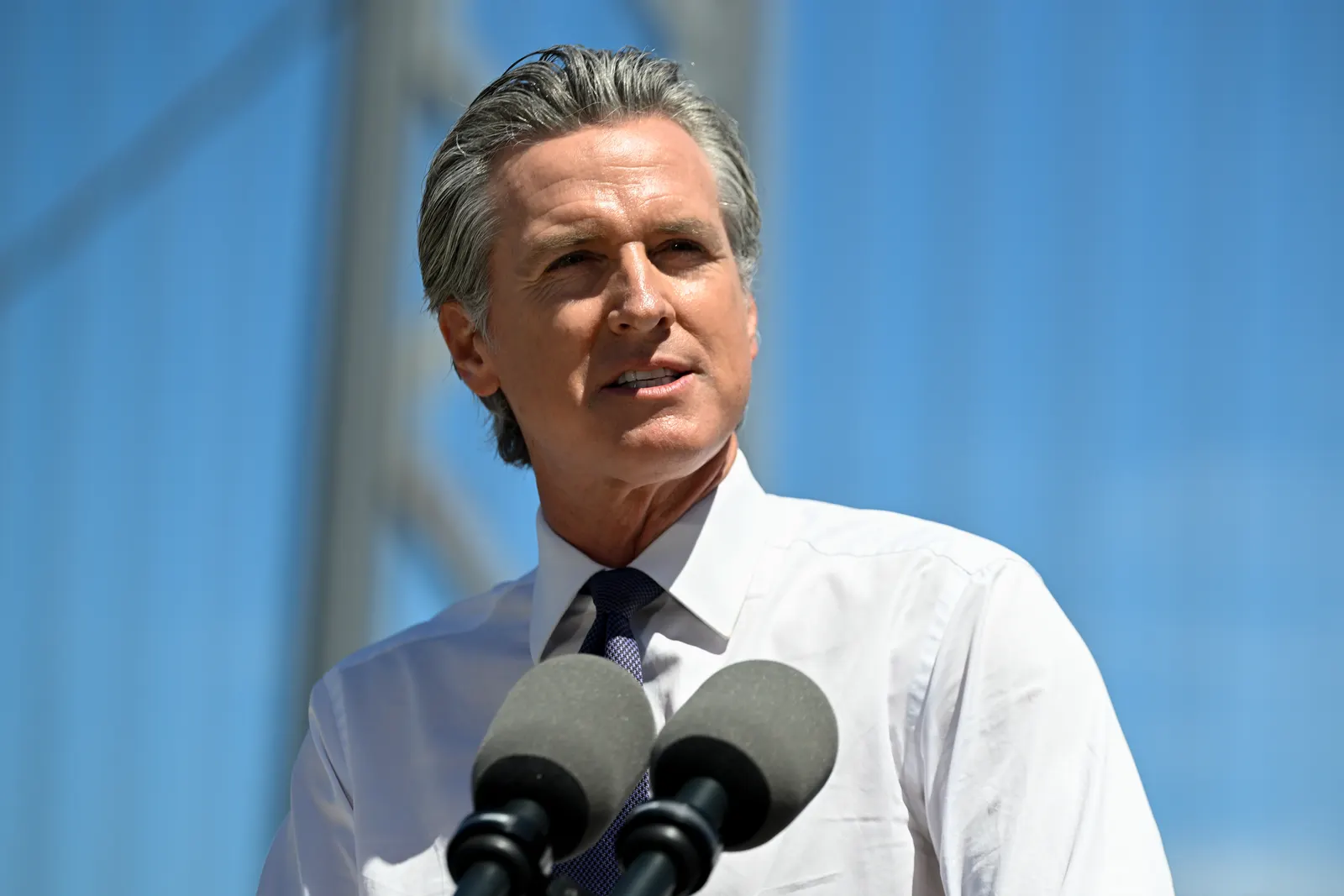
California Senate Passes Post-Production Tax Bill; Newsom Must Act
SB 2319 cleared the California State Senate 33-5, creating a dedicated post-production tax incentive as the L.A. film industry continues to shrink.
Netanyahu Condemns West Bank Attack on NBC News Team as Settler Violence Escalates
Masked settlers assaulted an NBC News crew and a Palestinian woman in Jalud, injuring four journalists and drawing condemnation from Israel's prime minister.

Park Service Backs Trump Arch Despite Threat to DC Landmark Sightlines
A federal report endorses the proposed 250-foot gilded arch while acknowledging it will disrupt the visual integrity of dozens of historic Washington sites.