Cate Blanchett Leads Hollywood Coalition Into OpenAI Copyright Fight

The Oscar winner's nonprofit joined a sweeping amicus brief arguing that licensing AI training data is entirely feasible — and already standard practice.
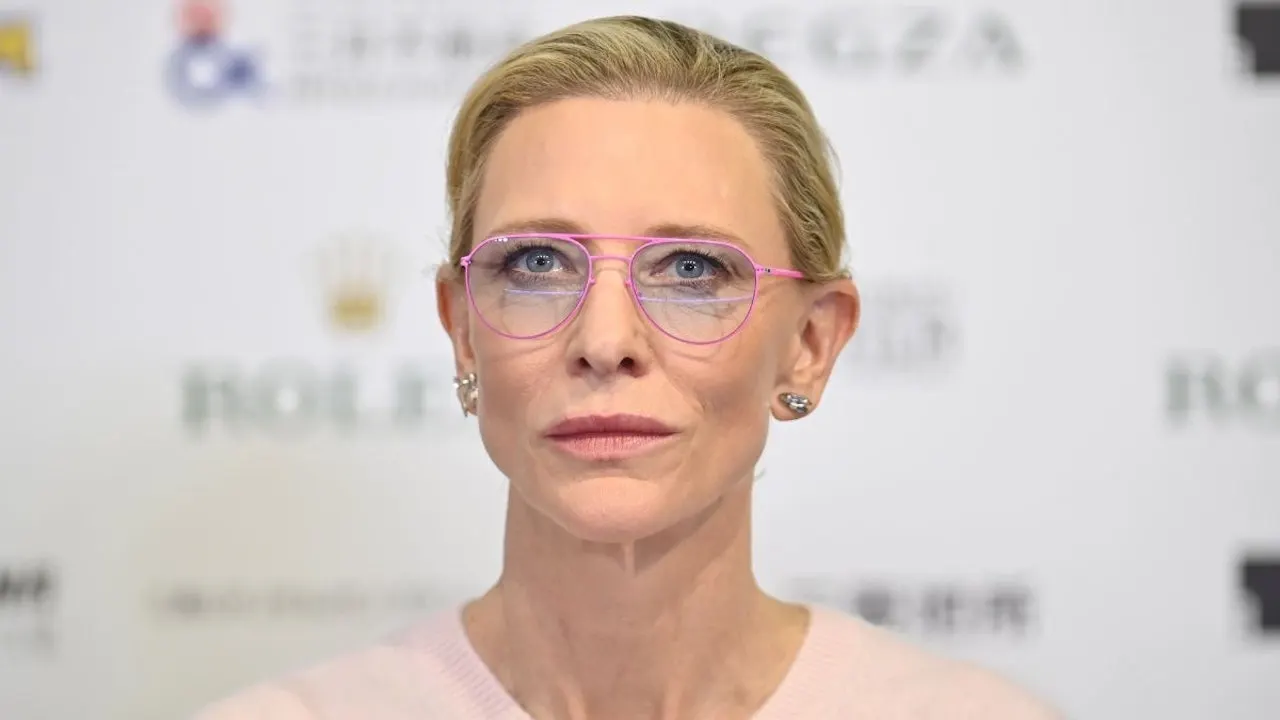
Few figures in contemporary cinema carry the kind of cross-industry moral authority that Cate Blanchett has cultivated over three decades of work on screen and stage. That standing is now being deployed in one of the most consequential legal battles shaping the future of creative labor, as Blanchett's nonprofit organization spearheaded a significant legal intervention in the New York Times' ongoing copyright lawsuit against OpenAI and Microsoft.
A Coalition With Considerable Weight
The Human Consent Foundation — Blanchett's advocacy nonprofit dedicated to protecting artists' rights in the age of artificial intelligence — co-filed a 31-page amicus brief late last week in the Southern District of New York, according to TheWrap. The document was co-signed by CAA, the Music Artists Coalition, the National Association of Voice Actors, and the Creators Coalition on Artificial Intelligence. An attached appendix extended the brief's reach considerably, featuring expressions of support from Anne Hathaway, Bette Midler, Emma Thompson, Helen Mirren, Dan Levy, Ron Howard, Madonna, and Olivia Wilde — a roster that reflects the breadth of creative disciplines now paying close attention to how this case resolves.
This filing follows a separate amicus brief submitted by SAG-AFTRA, the Writers Guild of America, and the American Federation of Musicians, in which those unions urged the court to reject any categorical fair-use exemption for AI training, warning that unauthorized appropriation of creative work undermines both individual livelihoods and the licensing markets still taking shape around the technology.
Dismantling the 'Impossibility' Argument
The central thrust of the coalition's brief is a direct rebuttal of the tech companies' position that securing licenses for AI training data at scale is impractical or prohibitively expensive. The filing argues that the creative industries have operated collective licensing frameworks for more than a century — pointing to organizations like the International Confederation of Societies of Authors and Composers and Broadcast Music, Inc. as proof that centralized rights management, blanket licenses, and metadata-driven clearance systems already exist to handle exactly this kind of dispersed-ownership challenge. In other words, the infrastructure is not a future aspiration; it is a present reality.
For anyone who has followed Blanchett's recent public activism — including her work launching a free AI consent tool in Brussels — the legal argument here is a logical extension of principles she has been articulating for some time. Her personal statement in the brief's appendix distills that philosophy with characteristic directness: over thirty-plus years working in film and theater, she writes, consent has never been optional. Agreements are made. Contracts are signed. Her face, voice, and image are hers to authorize — not someone else's to appropriate.
Consent as Creative Foundation
What makes Blanchett's framing particularly well-suited to this legal context is its insistence that consent and creativity are not in tension. The brief's language — and her own statement within it — positions licensing not as a bureaucratic obstacle but as the ethical scaffolding on which all collaborative artistic work is built. That argument has real weight coming from someone whose filmography, explored in depth elsewhere on this site, reflects a sustained commitment to craft built entirely on collaborative trust between performers, directors, writers, and studios.
The underlying lawsuit, filed by the New York Times in December 2023, accused Microsoft and OpenAI of using the outlet's journalism to train large language models in ways that compete directly with the Times' own products and undermine its economic viability. OpenAI, at the time, characterized the suit as surprising and expressed hope for a negotiated resolution. No such resolution has materialized, and the case has now attracted enough institutional attention to draw in major talent agencies, performers' unions, and nonprofits alongside the original plaintiff.
A Broader Moment for Artist Advocacy
Blanchett's emergence as a leading voice in this debate — whether addressing audiences on the responsibility of presence or accepting honors that underscore her commitment to creative integrity — reflects a longer arc of engagement with questions about how art is made, valued, and protected. The Southern District of New York will now weigh whether decades of established licensing practice undercut the tech industry's claim that there was simply no workable alternative to training on copyrighted material without permission. The creative community, it appears, is prepared to argue that there always was.
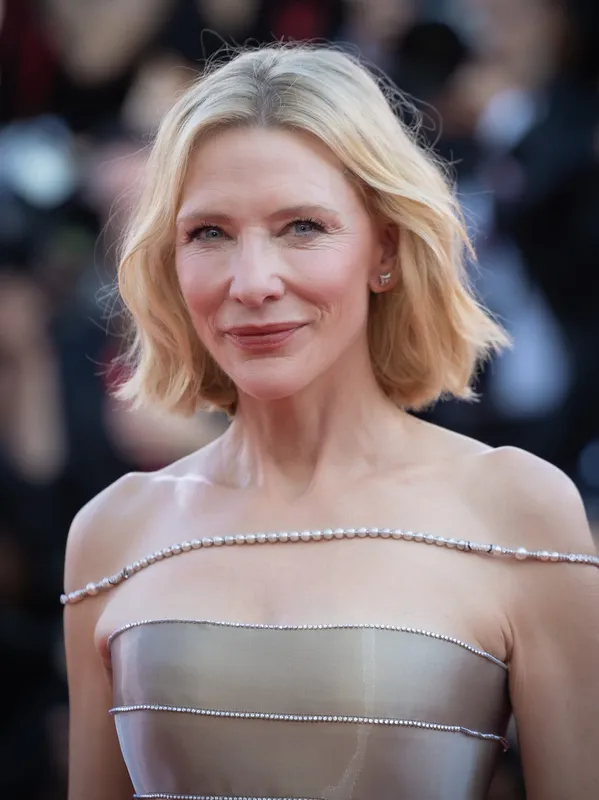 ProfileCate BlanchettActress and producer
Related
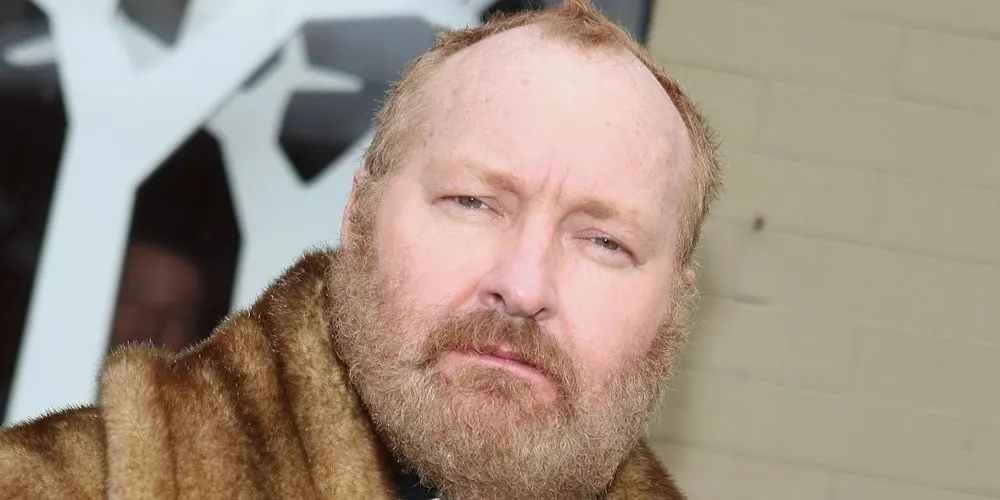
Randy Quaid Slams Anne Hathaway Casting in Days of Thunder Sequel
Randy Quaid, who appeared in the original 1990 film, took to X to demand Nicole Kidman's return and dismiss the Hathaway announcement.
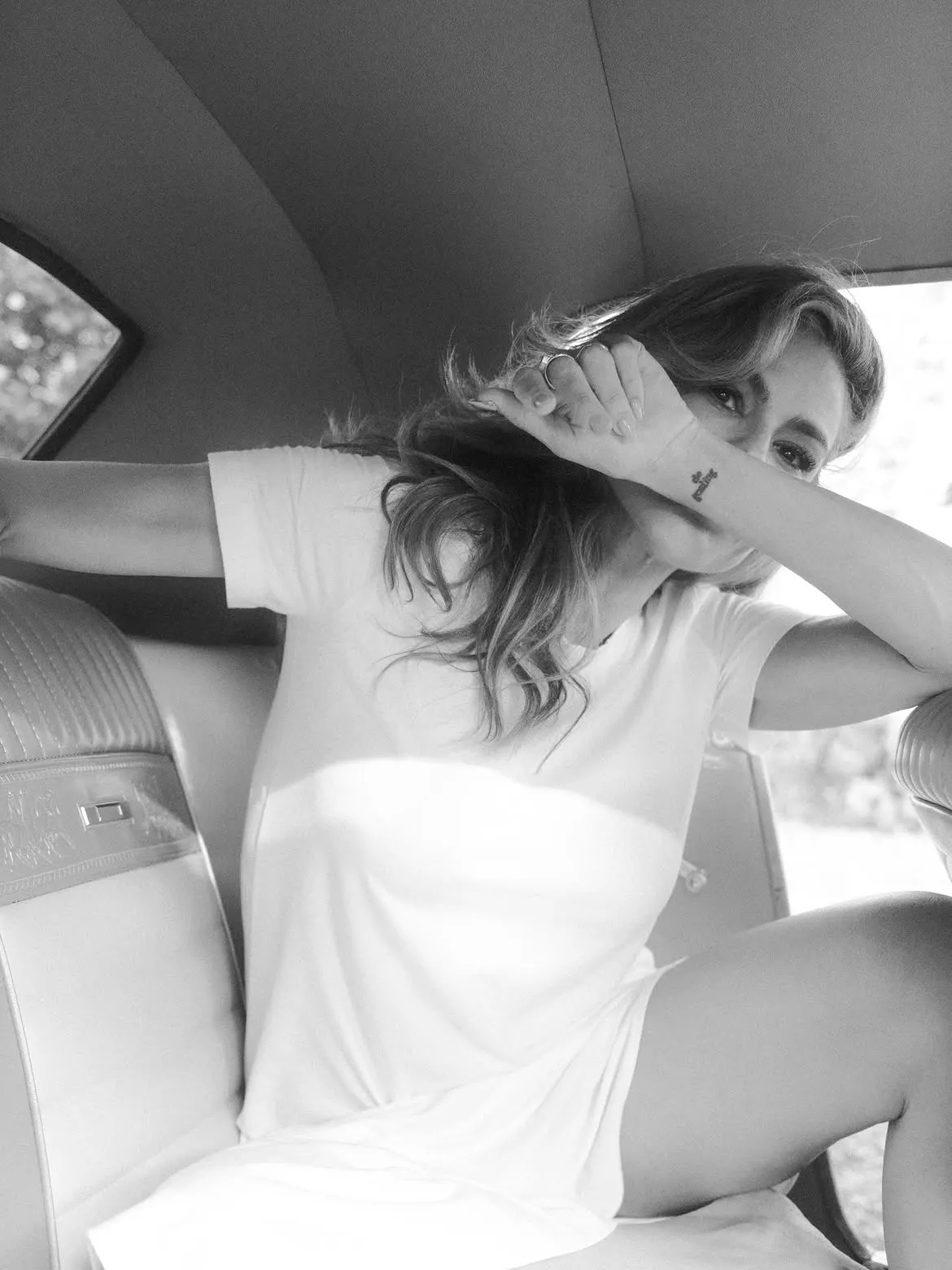
Eva Mendes' 'de Gosling' Tattoo Is the Only One She's Ever Wanted
Eva Mendes is showing off her wrist tattoo again — a small but meaningful piece of ink that carries a deep cultural significance.
Steven Spielberg's 'War of the Worlds' Returns to Streaming Amid Debate
Steven Spielberg's 'War of the Worlds' is hitting HBO Max next month, reigniting discussions on its mixed reception.