Cate Blanchett Launches Free AI Consent Tool in Brussels

Cate Blanchett unveiled the Human Consent Registry, a free platform letting people decide how AI can use their name, image, voice and likeness.
Star Power Meets AI Policy
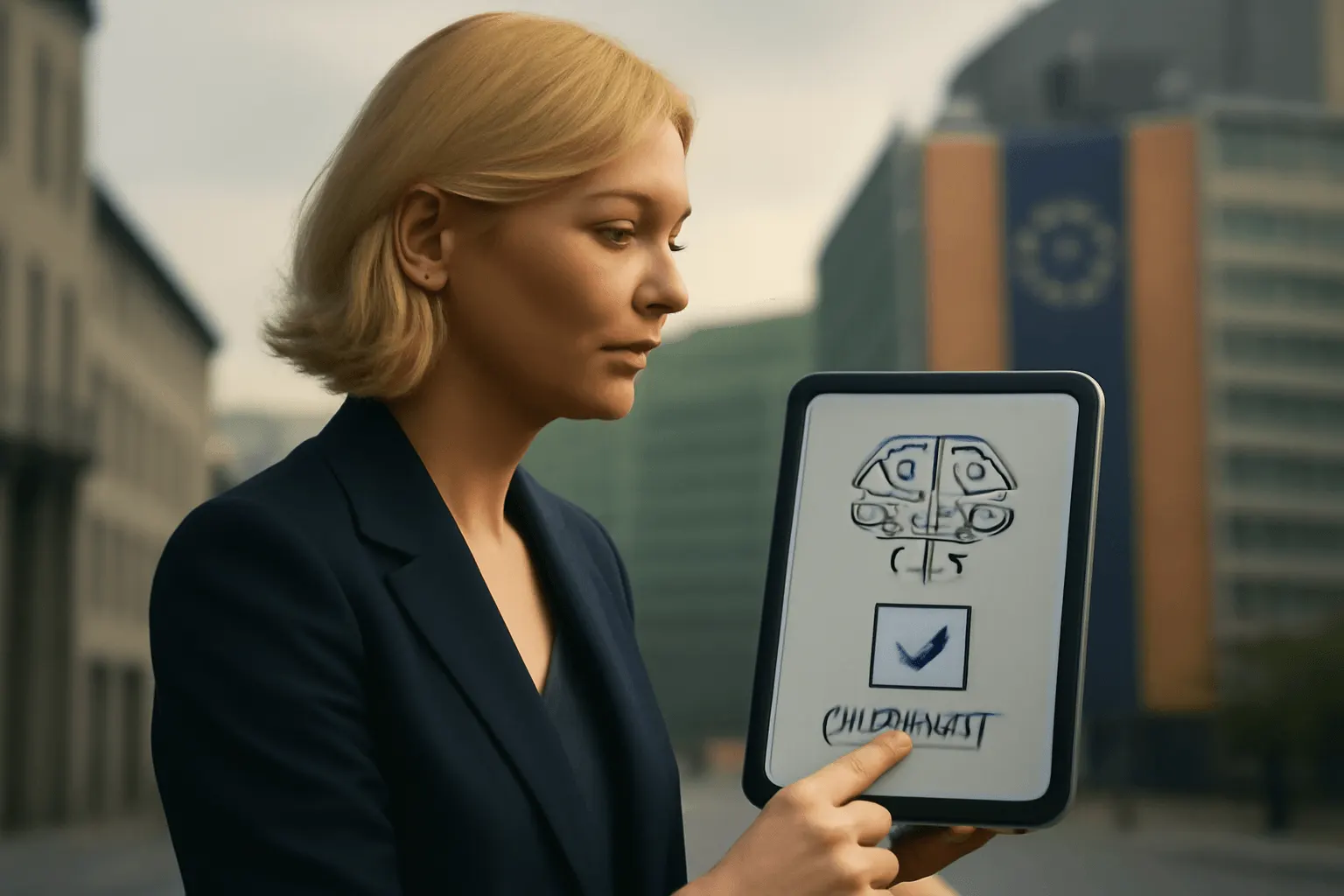
Cate Blanchett has spent years sounding the alarm about artificial intelligence, and this week she carried that campaign directly into the engine room of European policymaking. According to Euronews, the two-time Oscar winner traveled to Brussels on June 24, 2026, to launch the Human Consent Registry, a free online platform designed to give individuals control over how AI systems are permitted to use their personal attributes.
The registry, Euronews reports, lets users explicitly allow or block AI from drawing on their name, image, voice, likeness and even their movement. Crucially, it is built not only for individuals but also for the agents and managers who represent them, with stated plans to eventually expand protections to creative works and brands. In a landscape where a person's face or voice can be convincingly synthesized in seconds, the tool aims to convert a vague sense of vulnerability into a concrete, documented record of what someone has and has not agreed to.
"Your Identity Is Your IP"
Blanchett framed the launch as a question of fundamental rights rather than celebrity grievance. "Your identity is your IP in the age of AI, and every person deserves the right to decide how AI can or cannot use it," she said, casting personal likeness as a form of property that belongs to its owner by default.
She paired that argument with a pointed warning about the speed of the technology. "AI technologies are expanding rampantly, essentially unchecked and unregulated," she said. "In order for humans to remain in front of these technologies, consent must be the first consideration."
Key details from the Euronews report:
- The tool was unveiled at a Brussels event hosted by Bulgarian MEP Eva Maydell.
- Director Steven Soderbergh attended in a show of support.
- The initiative was developed through Blanchett's nonprofit, RSL Media.
Why It Matters
The choice of Brussels was no accident. As the seat of the European Parliament and the hub of the bloc's pioneering AI regulation, the city gave Blanchett a stage where the political stakes were impossible to miss. The presence of a sitting MEP and a high-profile filmmaker signaled an effort to bridge the worlds of creative labor and lawmaking, two communities that have often talked past each other on the issue.
The broader context is a string of disputes over AI-generated content. Performers, musicians and writers have increasingly found their styles, voices and faces replicated without permission, and existing law has struggled to keep pace. A consent registry offers a practical counterweight, a place where a person can stake a clear claim before a dispute ever arises.
A Continuing Campaign
The Brussels launch is the latest chapter in Blanchett's wider advocacy. Euronews notes it follows her March 2025 participation in an open letter signed by more than 400 artists calling for stronger copyright protections, and that it lands amid a wave of high-profile AI controversies rippling across music and film.
By offering a free, usable mechanism rather than another round of criticism from the sidelines, Blanchett has shifted the conversation from complaint to action. The open question, as Euronews acknowledges, is whether regulators and AI companies will ultimately recognize and honor such a registry. For now, the effort puts a major Hollywood name firmly behind a simple principle: that in the age of AI, consent should come first.
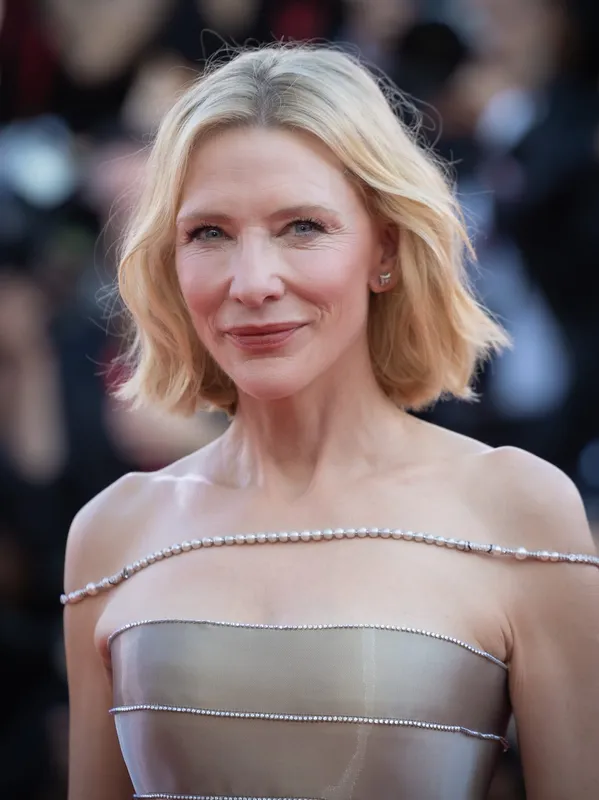 ProfileCate BlanchettActress and producer
Related
Jensen Huang's Call from Trump Disrupts Nvidia's All-Hands Meeting
During Nvidia's recent all-hands meeting, CEO Jensen Huang received an unexpected call from Donald Trump, sparking employee buzz about its implications.
Jane Fonda Supports Mark Ruffalo Amid Controversy Over Antisemitism Claims
Jane Fonda stands by Mark Ruffalo after he was labeled antisemitic by Paramount for criticizing Larry Ellison's ties to Israel and a major merger.
Mark Ruffalo Ties Oracle's Military Tech to Paramount Deal, Studio Fires Back
The Hulk actor linked Larry Ellison's Oracle to Israel's military operations, prompting an unusual public response from Paramount calling the remarks antisemitic.