Five Cate Blanchett Films That Reveal a Master at Work

From a young Elizabeth Tudor shedding her private self to a fallen socialite performing for no one, these five films capture Blanchett at her most essential.
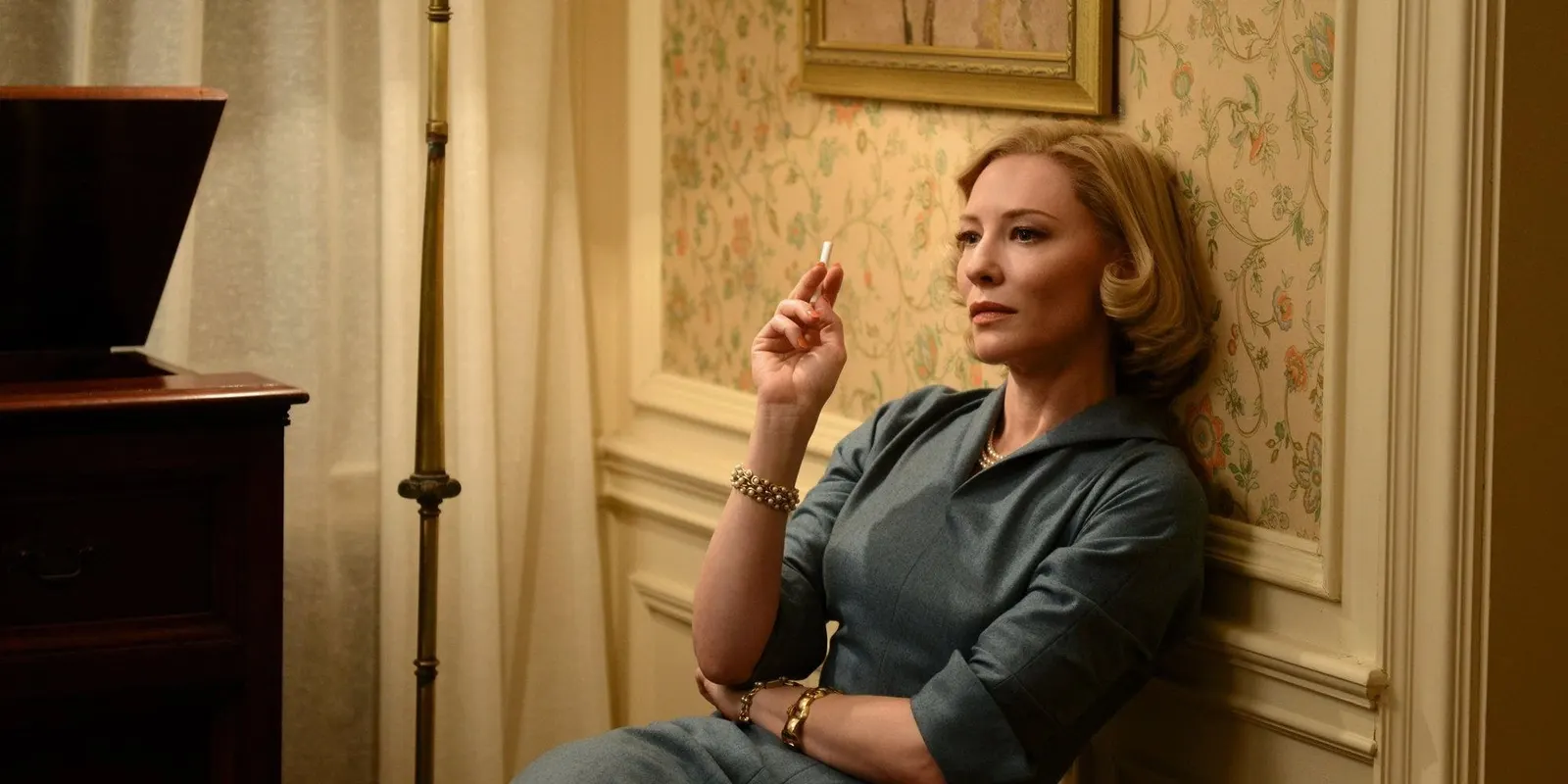
There is a particular Cate Blanchett moment that recurs across her finest performances — a smile that lingers one beat too long, posture that refuses to yield, and then something almost imperceptible shifting behind the eyes. That instant, in which the architecture of a carefully constructed self begins to crack, is the signature of one of cinema's most technically precise and emotionally devastating actors. According to Collider, five films stand above the rest as true showcases of that singular gift.
Elizabeth (1998): The Architecture of Power
Shekhar Kapur's portrait of England's Virgin Queen works as well as it does because it refuses to begin with the icon. The Elizabeth we meet first is surrounded by men who have already decided she is manageable — councillors who talk over her, advisors who treat the throne as a political instrument they can operate by proxy. Blanchett's performance tracks the gradual, costly education of a woman learning when to speak and when to let silence do the heavier work. The romance with Robert Dudley, played by Joseph Fiennes, is given room to feel genuinely warm before political necessity begins to corrode it. That the film's most famous image — the white-painted face, the severe transformation into an almost symbolic figure — arrives as a kind of grief rather than a triumph is precisely what makes it linger. She is also someone who has thought seriously about the relationship between public persona and private cost, as her advocacy work around consent and creative identity elsewhere demonstrates.
The Aviator (2004): The Art of the Performance Within the Performance
Martin Scorsese's Howard Hughes biography could have reduced Katharine Hepburn to an impression — all vowels and bravado. Instead, Blanchett finds the person underneath the famous cadences. The golf course introduction is a small masterpiece of comic timing: Hepburn talks at full speed, needles Hughes (Leonardo DiCaprio), and treats one of Hollywood's most powerful men as though he were simply another interesting person she happened to be standing near. A subsequent dinner with Hepburn's loud, self-assured family quietly illuminates how socially exposed Hughes actually is. Blanchett won the Academy Award for Best Supporting Actress for this role, and the film rewards revisiting specifically because the theatricality she brings is clearly deliberate — Hepburn herself was theatrical, and the trick is letting the audience see the pleasure she takes in the performance.
Carol (2015): Restraint as Expression
Todd Haynes' adaptation of Patricia Highsmith's novel operates in the grammar of 1950s melodrama — precisely composed frames, muted palettes, desire communicated through what cannot be said openly. Blanchett's Carol Aird is a woman of real social consequence navigating a forbidden attachment to a younger department store clerk (Rooney Mara) at enormous personal risk. The performance is largely constructed from what is held back: a glance sustained a fraction too long, the deliberate weight of a hand resting on a shoulder. Blanchett has spoken about the discipline required by roles of this nature, engaging audiences on the importance of genuine presence over passive observation in ways that speak directly to what Carol demands from its viewers.
Blue Jasmine (2013): The Performance With No Audience Left
Woody Allen's contemporary reworking of A Streetcar Named Desire gives Blanchett one of the most demanding showcase roles in recent American cinema. Jasmine French has lost her Manhattan life — the money, the apartment, the social architecture — and arrives at her San Francisco sister Ginger's modest home (Sally Hawkins, exceptional throughout) treating the situation as a temporary administrative inconvenience. The writing is sharp in its observation of class self-deception, but the performance transcends it. Jasmine constantly exposes herself — insulting the apartment she depends on for shelter, condescending toward Ginger's boyfriend while possessing no viable plan of her own — without once registering what she is revealing. The final images, with Jasmine sitting alone and still talking, still performing for a room with no one in it, are among the most unsettling in Blanchett's filmography.
Notes on a Scandal (2006): Control and Its Collapse
Richard Eyre's psychological thriller pairs Blanchett with Judi Dench in a study of obsession, manipulation, and the stories people construct to justify their own desires. Blanchett plays Sheba Hart, an art teacher whose catastrophic lapse in judgment places her entirely at the mercy of a colleague who has decided they share something they do not. The film is essentially a two-character study in how differently two people can inhabit the same situation, and Blanchett navigates the transition from confidence to entrapment with the kind of granular precision that defines her at her very best. These are the films that explain why her presence at major international festivals consistently draws serious critical attention.
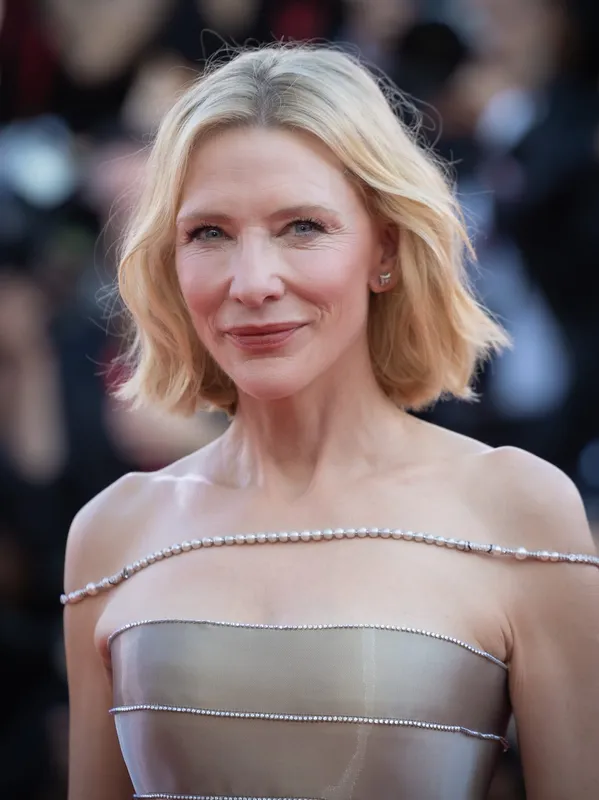 ProfileCate BlanchettActress and producer
Related
Randy Quaid Slams Anne Hathaway Casting in Days of Thunder Sequel
Randy Quaid, who appeared in the original 1990 film, took to X to demand Nicole Kidman's return and dismiss the Hathaway announcement.

Eva Mendes' 'de Gosling' Tattoo Is the Only One She's Ever Wanted
Eva Mendes is showing off her wrist tattoo again — a small but meaningful piece of ink that carries a deep cultural significance.
Steven Spielberg's 'War of the Worlds' Returns to Streaming Amid Debate
Steven Spielberg's 'War of the Worlds' is hitting HBO Max next month, reigniting discussions on its mixed reception.