Politics
Prosecutors Seek Death Penalty for Ex-President Yoon in Appeal
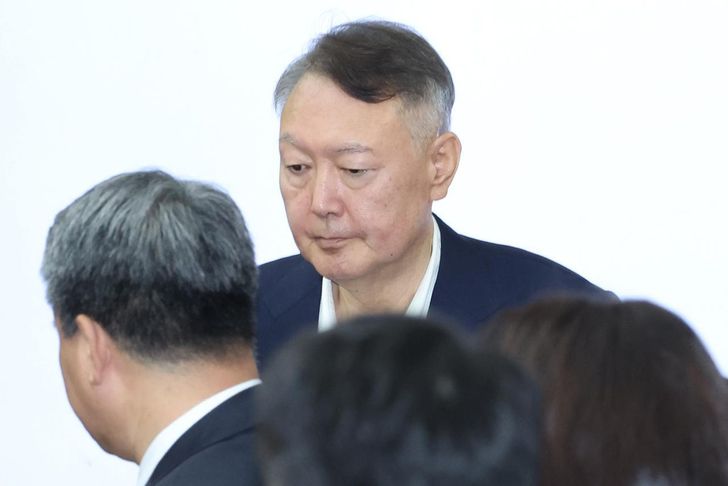
A special counsel has again demanded the death penalty for former South Korean President Yoon Suk Yeol over his failed 2024 martial law bid, as his insurrection appeal resumes.
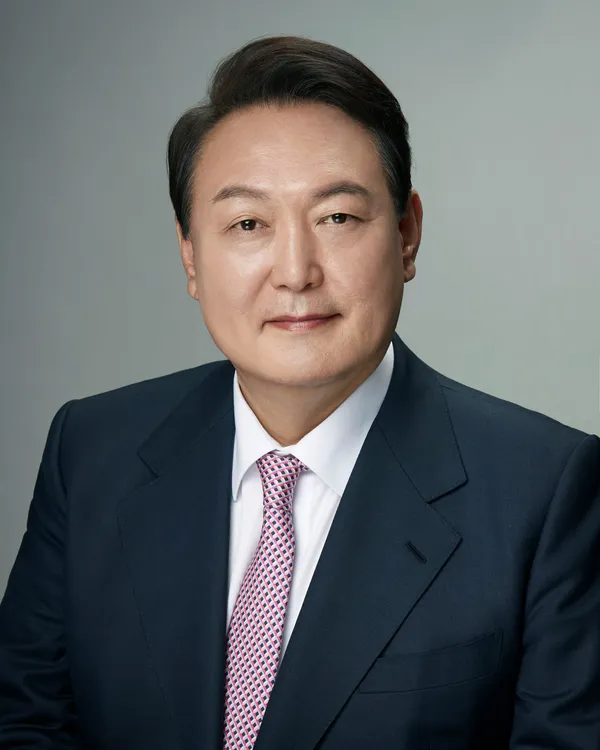
Former President of South Korea and Prosecutor
Yoon Suk Yeol is a South Korean politician and former prosecutor who served as the 13th president of South Korea from 2022 until his removal from office in 2025. A political newcomer who built his reputation as a hard-charging legal official, he won the presidency in one of the closest elections in the country's democratic history before his term ended amid a dramatic constitutional crisis.
Born in Seoul in 1960, Yoon studied law and pursued a long career as a prosecutor, becoming known for high-profile corruption investigations. He held senior positions within the prosecution service and rose to become Prosecutor General, the nation's top prosecutor, from 2019 to 2021. In that role he developed a public image as an investigator willing to pursue powerful figures, which raised his national profile and set the stage for an unexpected entry into electoral politics.
After leaving the prosecution service, Yoon joined the conservative People Power Party and quickly emerged as its presidential candidate. Campaigning as an outsider focused on fairness, the rule of law, and a tougher stance on national security, he won the 2022 presidential election by a narrow margin. His victory returned the conservative bloc to the presidency following a progressive administration.
As president, his agenda included strengthening the alliance with the United States, taking a firmer posture toward North Korea, and pursuing market-oriented domestic policies. His tenure was marked by deep political polarization and frequent confrontations with an opposition-controlled legislature, which complicated his ability to advance his legislative priorities.
Yoon's presidency reached a turning point in December 2024, when he declared martial law, a move that triggered widespread alarm and an immediate political backlash. The declaration was swiftly challenged, and the National Assembly moved to impeach him. The matter proceeded to the Constitutional Court, which ultimately upheld his removal from office in 2025, ending his presidency.
Following his removal, Yoon faced criminal proceedings connected to the events surrounding the martial law declaration, including charges related to insurrection. According to Wikipedia's summary, he was subsequently convicted and is serving a prison sentence. His presidency is described as among the briefest of any elected leader in the country's democratic era.
Yoon's trajectory, from a prominent prosecutor to head of state and then to removal from office, represents one of the most turbulent chapters in modern South Korean politics. His abrupt rise reflected public appetite for an anti-establishment figure promising accountability, while the manner of his departure underscored the resilience of the country's democratic institutions and constitutional checks. The episode prompted extensive national debate about executive power, civil-military relations, and the safeguards built into South Korea's political system. As an enduring case study, his term continues to shape discussions about leadership, governance, and the limits of presidential authority in a vibrant but sharply divided democracy.
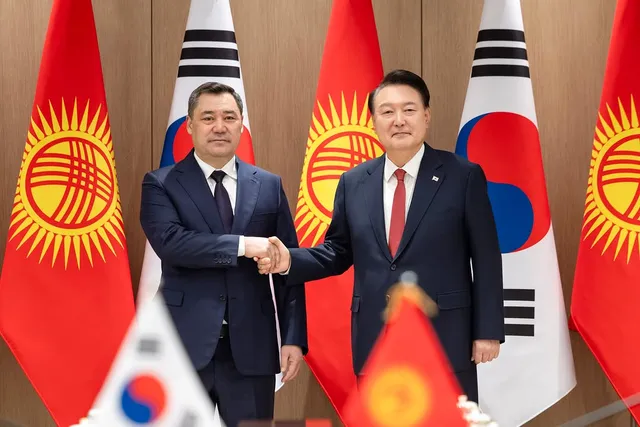
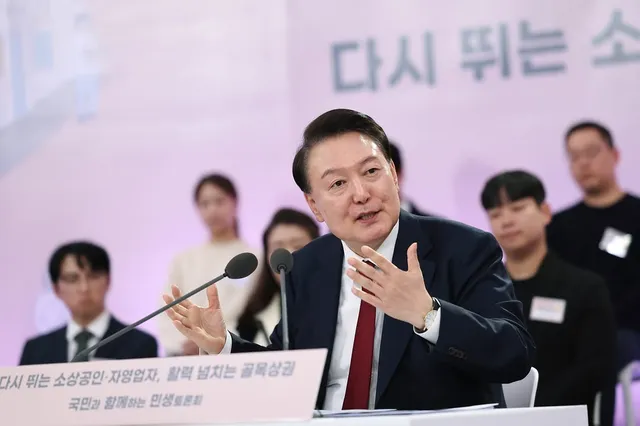
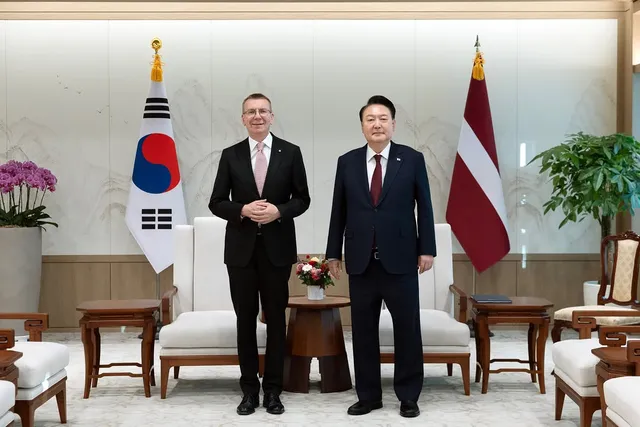

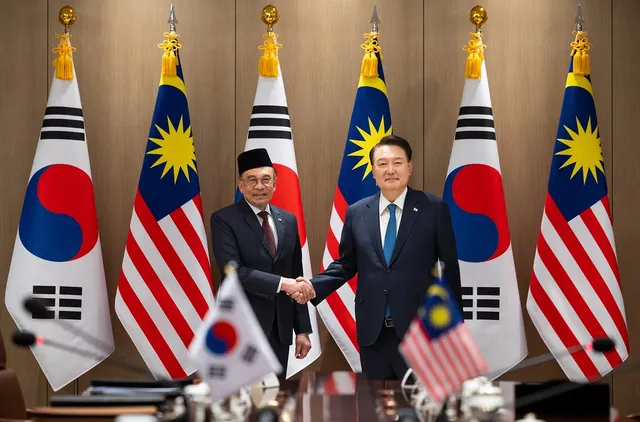
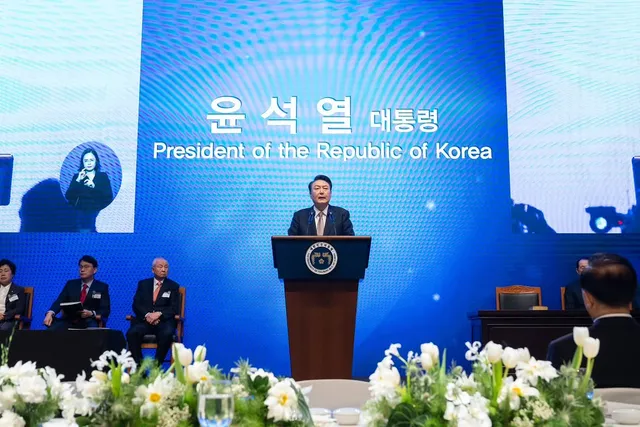
A special counsel has again demanded the death penalty for former South Korean President Yoon Suk Yeol over his failed 2024 martial law bid, as his insurrection appeal resumes.
FAQ
Yoon Suk Yeol was born on December 18, 1960, which makes 65 years old.
Yoon Suk Yeol is from South Korea.
Yoon Suk Yeol is best known as Lawyer, Politician, Jurist. Notable work includes 13th President of South Korea, former Prosecutor General, People Power Party, 2024 martial law declaration and 2025 removal from office.
Yes — Yoon Suk Yeol is on Instagram, Facebook, YouTube. You can find the official links on this page.