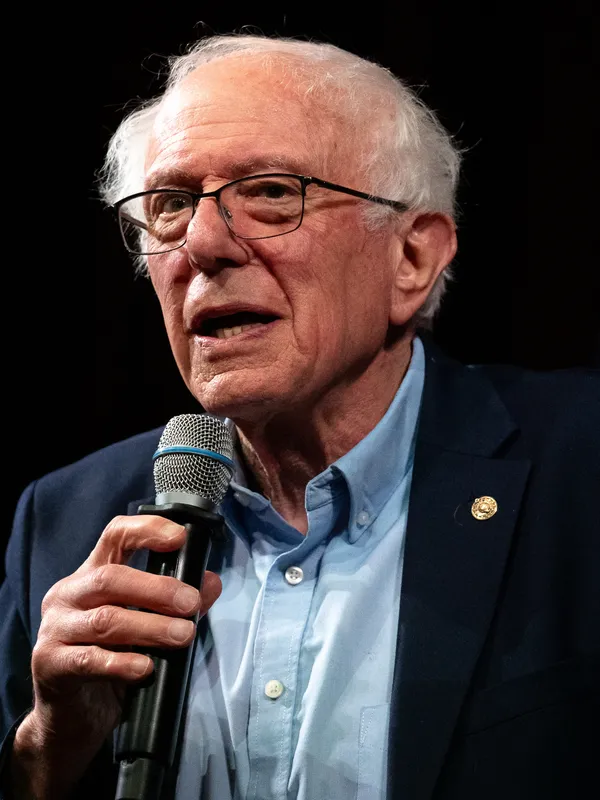
Bernie Sanders
U.S. Senator
Bernie Sanders is an American politician who has served as a United States Senator from Vermont since 2007. An independent who caucuses with the Democratic Party, he is one of the most prominent progressive figures in American politics and is known for his advocacy of policies such as universal health care, higher minimum wages and reducing economic inequality.
Early life
Bernard Sanders was born on September 8, 1941, in the Brooklyn borough of New York City, the son of Jewish immigrants. He grew up in a working-class household, an experience he has often cited as shaping his political outlook. He attended Brooklyn College before transferring to the University of Chicago, where he became involved in civil rights activism. After graduating, he moved to Vermont, where he held a variety of jobs before entering politics.
Career
Sanders's early political career included several unsuccessful campaigns in Vermont in the 1970s. He was elected mayor of Burlington, Vermont, in 1981, a position he held for several terms and during which he gained a reputation as an effective and unconventional local leader. In 1990 he was elected to the U.S. House of Representatives as an independent, becoming a long-serving member of Congress.
In 2006 he was elected to the U.S. Senate, where he has continued to serve. Throughout his career he has identified as a democratic socialist and has been a consistent advocate for expanded social programs, organised labour and campaign finance reform. He has held senior roles on Senate committees, including leadership on budget and health-related matters.
Recent work
Sanders gained national prominence through his campaigns for the Democratic presidential nomination in 2016 and 2020. Although he did not secure the nomination in either contest, his campaigns mobilised large numbers of supporters, particularly younger voters, and helped move several policy ideas into mainstream political debate. His emphasis on grassroots fundraising and large public rallies became a defining feature of his political style.
He has continued to be an influential voice in the Senate and in national politics, using his platform to press for progressive legislation and to advocate on issues such as health care, workers' rights and economic fairness. He remains one of the most recognisable independent politicians in the United States, and his long career has been marked by a consistency of message that has earned him a dedicated following as well as significant influence within the broader progressive movement.
Videos
On Instagram


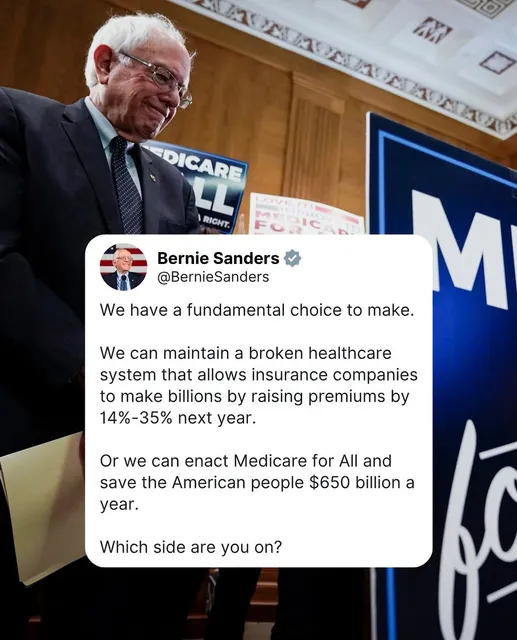


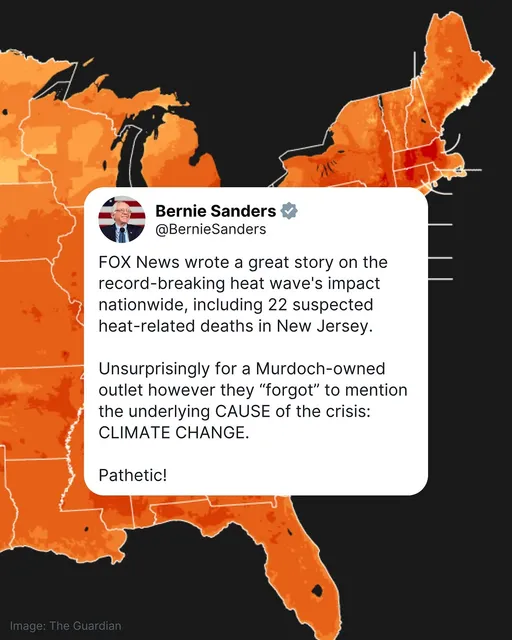


FAQ
Bernie Sanders — Frequently asked questions
How old is Bernie Sanders?+
Bernie Sanders was born on September 8, 1941, which makes 85 years old.
Where is Bernie Sanders from?+
Bernie Sanders is from United States.
What is Bernie Sanders known for?+
Bernie Sanders is best known as Politician. Notable work includes U.S. Senator from Vermont, 2016 and 2020 presidential campaigns, progressive politics.
Is Bernie Sanders on social media?+
Yes — Bernie Sanders is on Instagram, X (Twitter), Facebook, YouTube, TikTok. You can find the official links on this page.