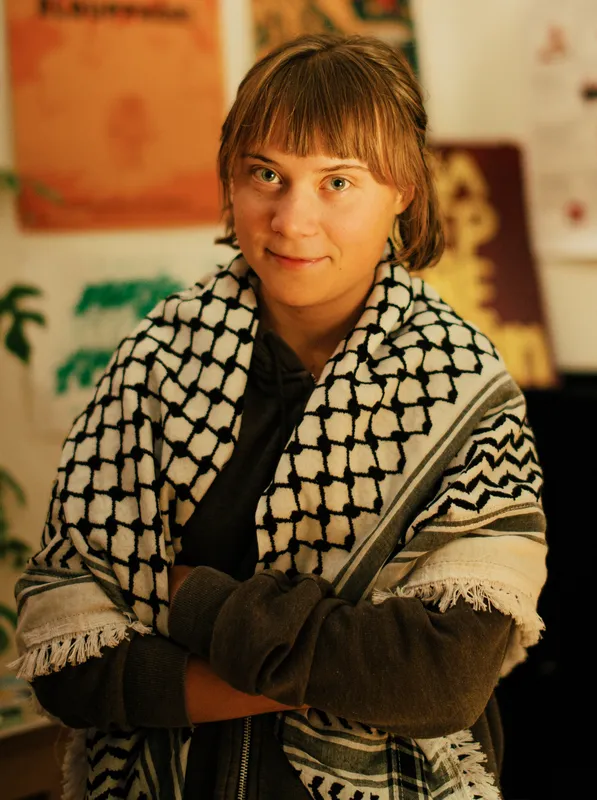
Greta Thunberg
Climate activist
Greta Tintin Eleonora Ernman Thunberg is a Swedish environmental activist who became one of the most recognizable voices in the global movement for action on climate change. She rose to international prominence as a teenager through a school strike outside the Swedish parliament that grew into a worldwide youth movement.
Early life
Thunberg was born on January 3, 2003, in Stockholm, Sweden, into a family with backgrounds in the performing arts. She has spoken publicly about being diagnosed with autism, which she has described as shaping her focused approach to activism. She became aware of climate issues at a young age and pressed her family to reduce their environmental impact.
Career
In 2018, Thunberg began skipping school to sit outside the Swedish parliament with a sign reading "School strike for climate." The protest drew media attention and inspired students around the world, giving rise to the Fridays for Future movement and a series of large international climate strikes. She became known for direct, unadorned speeches addressed to political and business leaders, urging them to act on scientific warnings about global warming.
Thunberg addressed gatherings including United Nations climate conferences and the World Economic Forum in Davos, where her blunt rhetoric, including the widely quoted "How dare you" remarks at a UN climate summit, drew both admiration and sharp criticism. To model low-carbon travel and avoid air travel's emissions, she undertook a high-profile transatlantic crossing by racing yacht rather than flying to attend events in the Americas. Her rapid rise made her a symbol of youth-led activism, and she was named to lists of influential people and recognized with environmental awards, some of which she declined on the grounds that the movement needed action rather than accolades.
Recent work
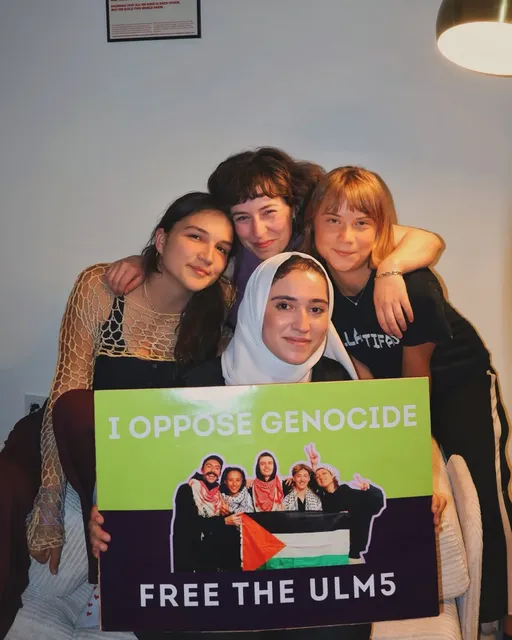
Thunberg has continued to campaign on climate and environmental justice, taking part in demonstrations and lending her profile to a range of causes. Her activism has broadened over time to encompass related social and political issues, and she has participated in protests beyond the climate movement, at times drawing controversy for her involvement in contentious geopolitical debates. She has edited and contributed to published collections on the climate crisis and has used her large social-media following to amplify scientific findings and the work of other activists. She has received numerous honors and nominations recognizing her influence, and she has remained a prominent and at times polarizing figure in public debate over how governments and corporations should respond to the climate crisis.
Videos
On Instagram






FAQ
Greta Thunberg — Frequently asked questions
How old is Greta Thunberg?+
Greta Thunberg was born on January 3, 2003, which makes 23 years old.
Where is Greta Thunberg from?+
Greta Thunberg is from Sweden.
What is Greta Thunberg known for?+
Greta Thunberg is best known as Environmentalist. Notable work includes Fridays for Future, school strike for climate, global climate activism.
Is Greta Thunberg on social media?+
Yes — Greta Thunberg is on Instagram, X (Twitter), Facebook, YouTube. You can find the official links on this page.