Tech
Apple May Charge More for Heavy AI Users Through iCloud Plus
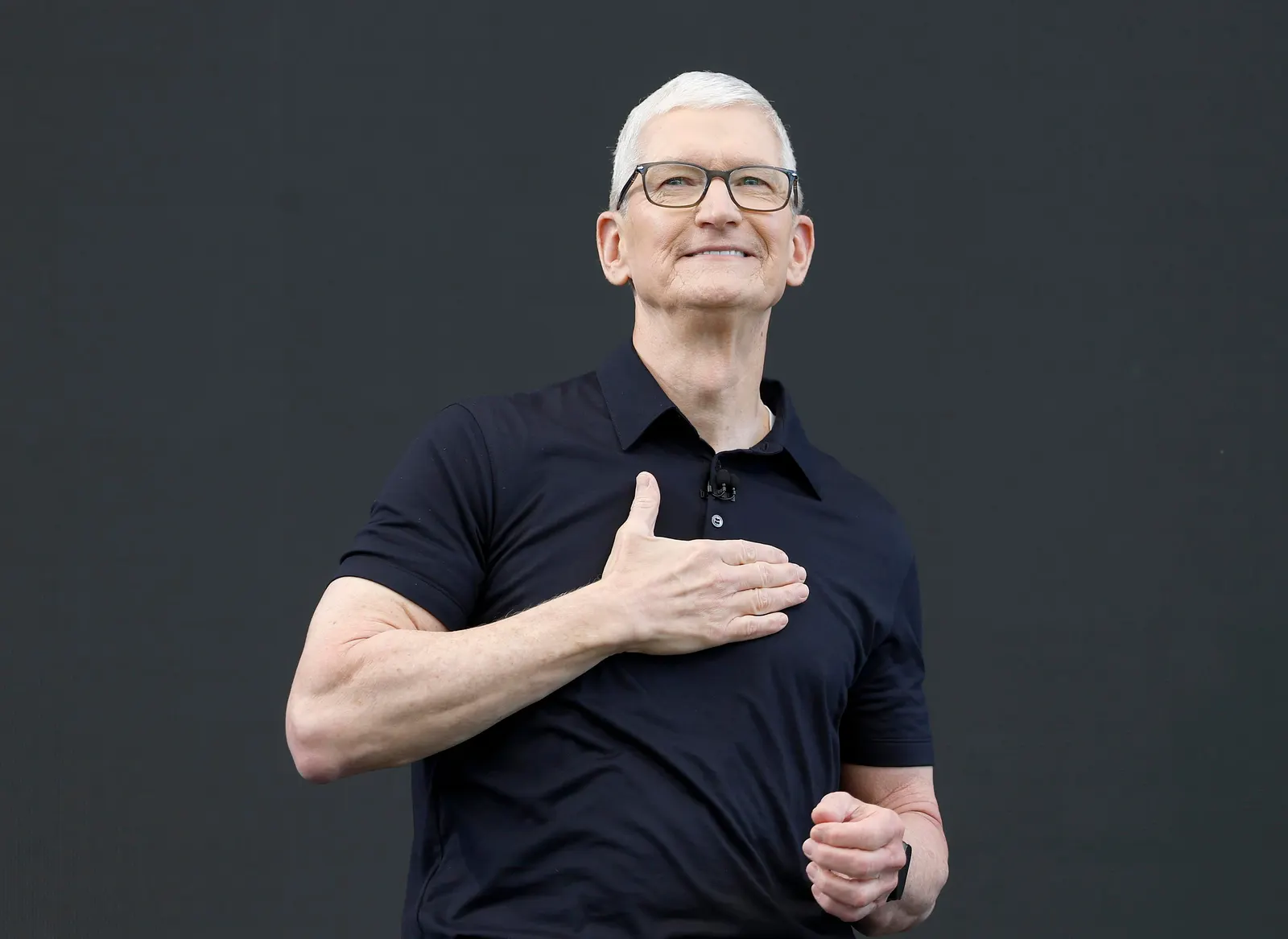
Tim Cook signaled that Apple is planning paid upgrade tiers for users who want higher Apple Intelligence usage limits.
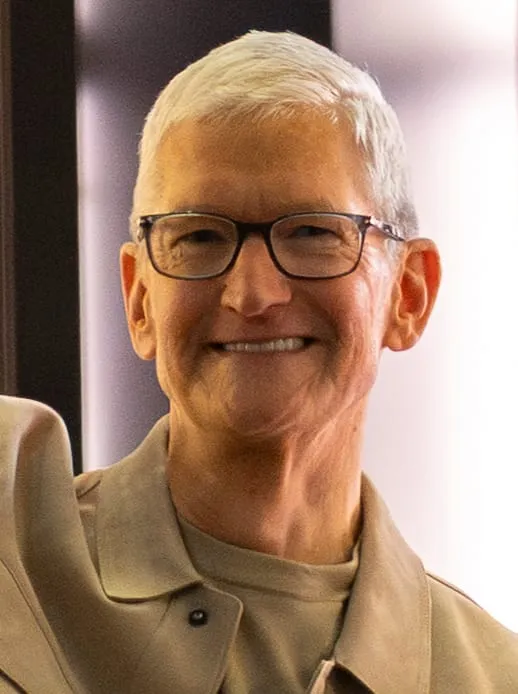
CEO of Apple Inc.
Tim Cook is an American business executive who has served as chief executive officer of Apple Inc. since 2011. Succeeding company co-founder Steve Jobs, he guided Apple through a period of extraordinary financial growth and helped transform it into one of the most valuable companies in the world.
Timothy Donald Cook was born in Mobile, Alabama, and raised in the nearby town of Robertsdale. He earned a degree in industrial engineering from Auburn University and later completed an MBA at Duke University, where he was recognized as a top student. His early career was grounded in operations and logistics, fields that would define his professional reputation. He spent more than a decade at IBM in personal computer manufacturing and distribution, then held senior roles at Intelligent Electronics and Compaq, building a deep expertise in supply chain management.
Cook joined Apple in 1998, recruited by Steve Jobs during the company's turnaround. As head of worldwide operations, he overhauled Apple's manufacturing and inventory systems, closing factories, streamlining suppliers, and dramatically reducing the time products spent in stock. This operational discipline gave Apple the efficiency it needed to scale as demand for its products surged. Over the following years he took on broadening responsibilities, including sales and the Macintosh division, and frequently served as acting chief executive during Jobs's medical absences.
In August 2011, Jobs stepped down and Cook was named CEO, taking the helm just weeks before Jobs's death. Inheriting a company at the height of its influence, Cook faced the challenge of leading without its visionary founder. He focused on execution, expanding Apple's product ecosystem and pushing into new categories while preserving the brand's emphasis on design and integration.
Under Cook's leadership Apple introduced the Apple Watch, AirPods, and a growing portfolio of services including the App Store, iCloud, Apple Music, and streaming video. He oversaw the continued evolution of the iPhone, the company's central product, and the transition of Mac computers to Apple's own silicon chips. These efforts helped Apple become the first publicly traded U.S. company to reach a market value of one trillion dollars, and later multiples of that figure.
Cook has distinguished himself with a management style markedly different from his predecessor's, emphasizing calm, data-driven decision-making and consensus. He has been an outspoken advocate on issues including user privacy, environmental sustainability, and supplier responsibility, positioning Apple's stance on data protection as a competitive differentiator. He has also navigated complex geopolitical pressures, particularly around manufacturing in China and trade relations between the United States and other nations.
In 2014, Cook publicly came out as gay, becoming the first chief executive of a major company in the Fortune 500 to do so, and described his openness as a contribution to broader acceptance. He has pledged to give away most of his personal wealth to philanthropic causes. Widely regarded as one of the most effective operators in modern corporate history, Cook is credited with proving that Apple could thrive beyond the Jobs era, even as observers continue to debate the company's capacity for the kind of category-defining innovation that built its reputation. His tenure stands as a study in disciplined stewardship of one of the world's most recognizable brands.
Tim Cook signaled that Apple is planning paid upgrade tiers for users who want higher Apple Intelligence usage limits.
Tim Cook's recent comments on price increases reflect mounting costs in the tech industry, prompting scrutiny over consumer impact and Apple's record profits.
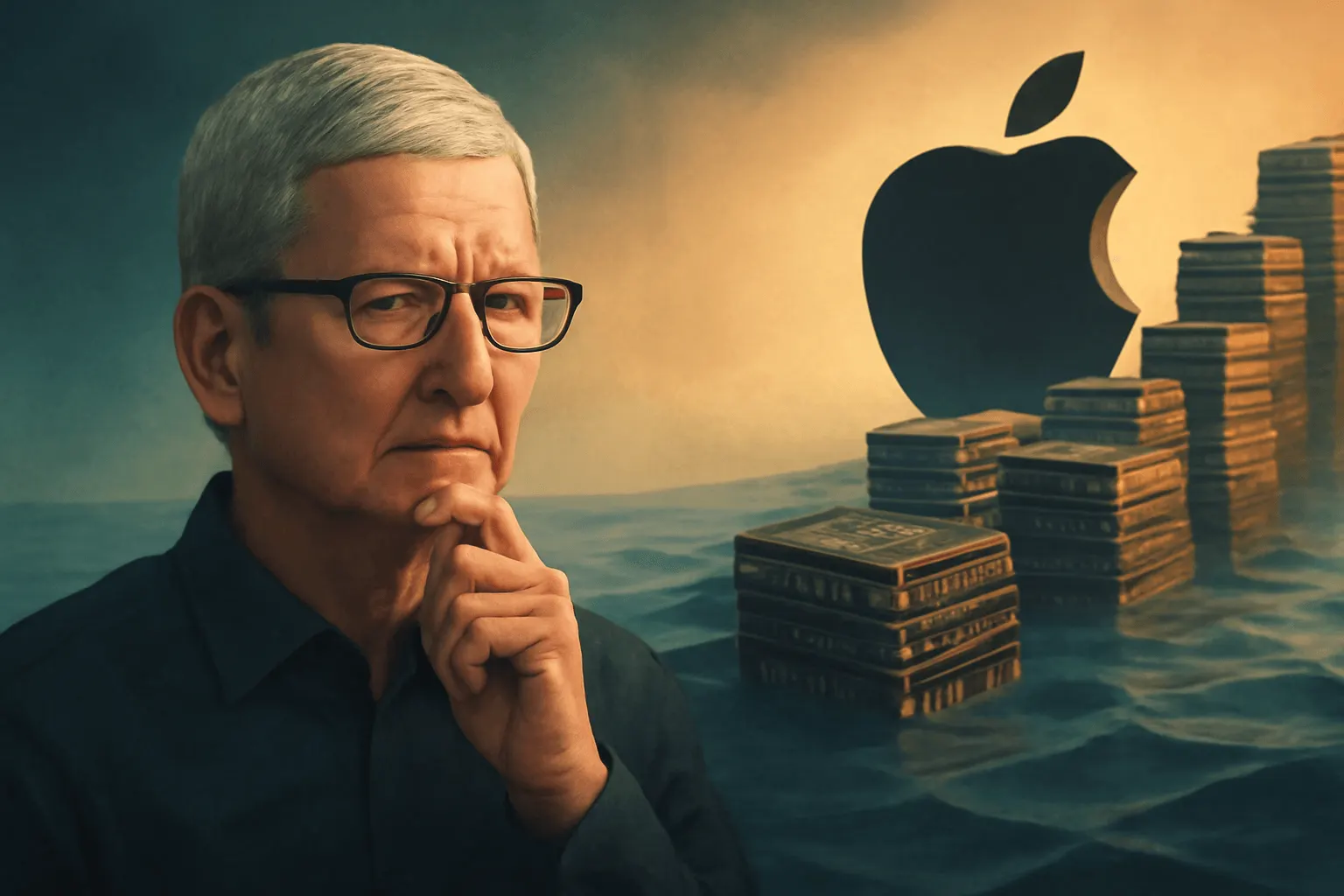
Apple chief Tim Cook says higher prices are now 'unavoidable' as a memory-chip crunch he compares to a 'hundred-year flood' tears through the electronics supply chain.
FAQ
Tim Cook was born on November 1, 1960, which makes 65 years old.
Tim Cook is from United States.
Tim Cook is best known as Businessperson, Engineer, Computer scientist. Notable work includes Leading Apple as CEO, operations and supply chain expertise, iPhone-era growth.
Yes — Tim Cook is on X (Twitter). You can find the official links on this page.