The Hidden Costs of Apple's AI Pricing Strategy

Tim Cook's recent comments on price increases reflect mounting costs in the tech industry, prompting scrutiny over consumer impact and Apple's record profits.
With tech giants scrambling to gain an edge in artificial intelligence, price hikes seem to be the new norm for Apple. CEO Tim Cook has recently indicated that increases in product pricing are inevitable, citing the company's pricing as unsustainable. This sudden shift is raising eyebrows, especially as consumers find themselves paying more for products like the 16-inch MacBook Pro, which is now $300 more expensive, and the 11-inch iPad Air, now costing $749.
The AI Blame Game
Cook attributes these price increases to the surging costs associated with the burgeoning AI industry. This trend is not isolated to Apple; various companies, including game console makers, have similarly raised prices—some up to 25%. The tech industry is in the throes of what analysts have dubbed 'RAMageddon,' where demand for higher-end RAM for AI data centers has diverted resources away from consumer electronics.
Economic Factors at Play
According to Tim Derdenger, an associate professor at Carnegie Mellon University, these adjustments can be explained through basic economic theory. As demand for components grows within data centers, manufacturers allocate production towards items that yield higher profits. Hence, the average consumer is left seeing increased prices as component costs rise and availability dwindles.
This isn't merely a brief supply shortage; experts like Srikanth Jagabathula from NYU Stern highlight that this imbalance in component allocation may persist for years. Companies like OpenAI and Microsoft are reportedly bidding exorbitantly for RAM, which leaves smaller players like Apple in a tight spot when it comes to securing parts for retail products.
Record Profits vs. Consumer Burden
Interestingly, despite these mounting costs, Apple has recently reported record-breaking earnings for multiple quarters. Their profit margins on devices exceed those of industry standards, with estimates suggesting margins on the iPhone 17 Pro could be as high as 47%. While many consumer electronic manufacturers typically operate with margins between 10% and 25%, Apple's markups put them at a distinct advantage.
The question arises: Why should consumers bear the brunt of these costs when Apple appears capable of absorbing them? Marketing experts, including Ari Lightman from Carnegie Mellon, suggest that raising prices helps Apple maintain a narrative of growth and profitability, especially amidst rising pressures from investors seeking continuous returns.
The Pressure to Maintain Growth
The competitive AI landscape is influencing more than just hardware prices; it also adds pressure for tech companies to develop new products. With some analysts noting that Apple is lagging in the AI race, there are concerns over how well the company can sustain consistent growth without a major new product announcement. Cook's comments can be interpreted as strategic maneuvers to satisfy investors while justifying price increases.
What This Means for Consumers
As the AI boom continues to shape the tech industry, consumers are increasingly feeling its effects in their wallets. Whether it's gaming consoles or smart home devices, rising prices are becoming commonplace. With no clear end to this trend in sight, consumers must grapple with the question of why they are caught in the crossfire of an AI price war.
As the industry shifts, the challenge remains: How will average consumers navigate these rising costs, especially when companies seem to be prioritizing institutional investors over individual users? It's a narrative worth watching as we head into an era dominated by artificial intelligence and the demands it brings to the tech landscape.
Related on Ni4o: Tim Cook Warns Apple Prices Will Rise Amid Chip 'Flood' · Nadella Bets on a 33-Year-Old Exec to Fix Copilot · PewDiePie's Odysseus Turns Local AI Into a Real Workspace
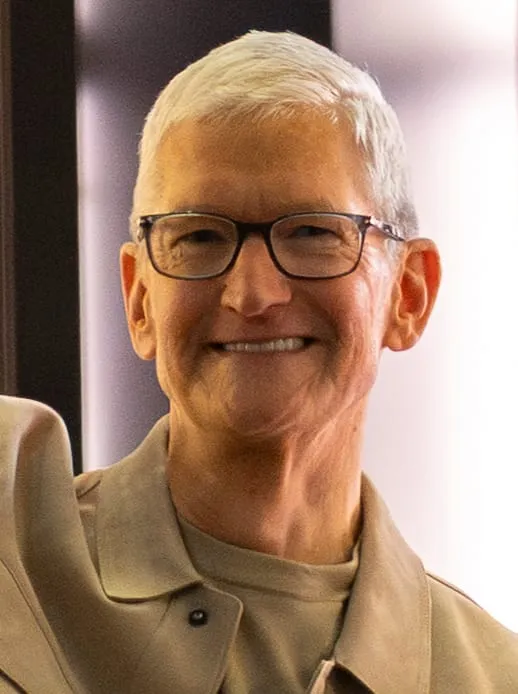 ProfileTim CookCEO of Apple Inc.
Related
Jensen Huang's Call from Trump Disrupts Nvidia's All-Hands Meeting
During Nvidia's recent all-hands meeting, CEO Jensen Huang received an unexpected call from Donald Trump, sparking employee buzz about its implications.

Jane Fonda Supports Mark Ruffalo Amid Controversy Over Antisemitism Claims
Jane Fonda stands by Mark Ruffalo after he was labeled antisemitic by Paramount for criticizing Larry Ellison's ties to Israel and a major merger.
Mark Ruffalo Ties Oracle's Military Tech to Paramount Deal, Studio Fires Back
The Hulk actor linked Larry Ellison's Oracle to Israel's military operations, prompting an unusual public response from Paramount calling the remarks antisemitic.