Politics
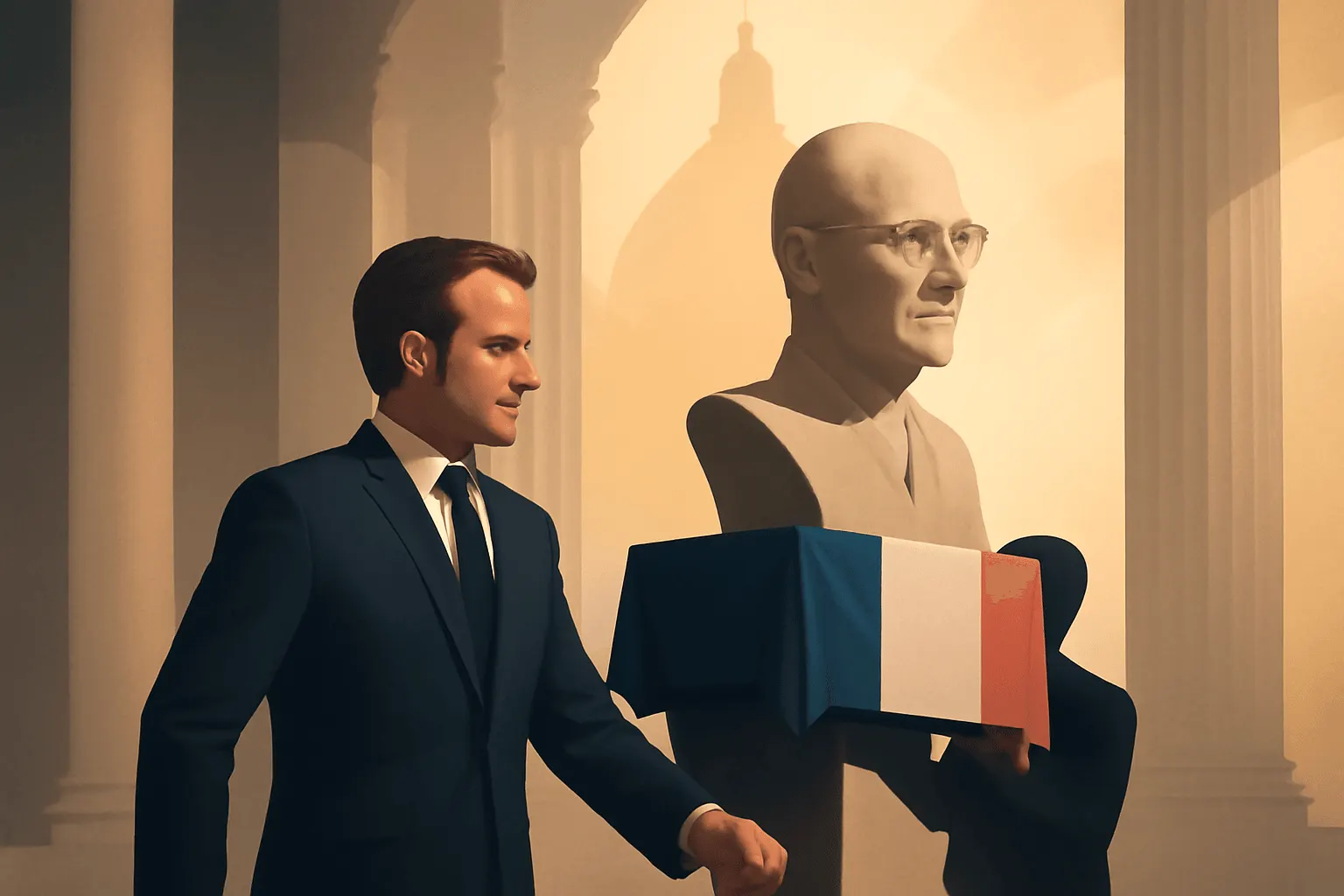
Macron leads Marc Bloch's induction into the Panthéon
France honored historian and Resistance martyr Marc Bloch, alongside his wife Simonne, with a Panthéon induction led by President Emmanuel Macron.
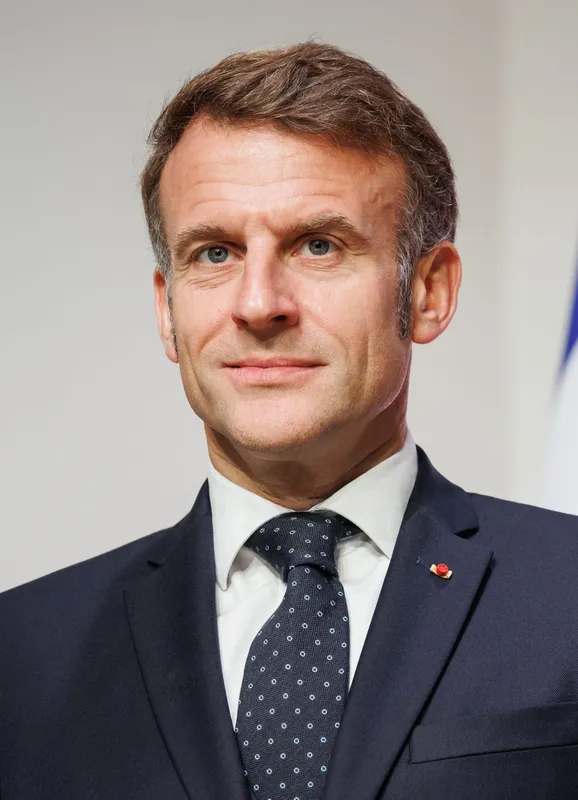
President of France
Emmanuel Macron is a French politician who has served as President of France since 2017. Born in 1977 in the northern city of Amiens, he was raised in a family of physicians and showed strong academic promise from an early age. He pursued studies in philosophy before attending the prestigious Sciences Po and the École nationale d'administration, the elite training ground for many of France's senior public servants. His education positioned him for a career at the intersection of government, finance, and public policy.
Macron began his professional life as a senior civil servant in the finance inspectorate before moving into investment banking, where he worked for a major firm and gained a reputation as a capable dealmaker. He returned to public service as an adviser to the president and then entered government as Minister of the Economy, Industry and Digital Affairs. In that role he became associated with efforts to liberalize aspects of the French economy, championing business-friendly reforms that drew both support and opposition.
In 2016 Macron resigned from the government and launched his own political movement, positioning it as a centrist alternative that sought to transcend the traditional left-right divide. The following year he ran for the presidency as a relative newcomer to electoral politics and won, becoming one of the youngest leaders in modern French history. His movement also secured a strong position in the legislature, giving him a mandate to pursue an ambitious reform agenda.
As president, Macron has pursued changes to labor laws, taxation, pensions, and other areas of economic policy, framing many of his initiatives as efforts to modernize France and improve its competitiveness. Some of his reforms triggered significant public protest, including widespread demonstrations over economic grievances and later over changes to the pension system. These episodes highlighted tensions between his reform ambitions and substantial segments of public opinion.
On the international stage, Macron has been an active and visible figure, advocating for a stronger and more integrated European Union and engaging prominently in diplomacy on global issues. He has positioned himself as a defender of multilateral cooperation and European strategic interests, taking part in negotiations and discussions on matters ranging from climate policy to security in Europe.
Macron was reelected to a second term, an achievement that made him the first French president in two decades to win consecutive directly elected terms. His second term has involved navigating a more fragmented political landscape, including periods without a clear governing majority in the legislature, which has complicated efforts to pass legislation.
Macron is known for an energetic and sometimes assertive leadership style, and his presidency has generated extensive debate both in France and abroad. Supporters credit him with pursuing necessary modernization and maintaining France's prominent voice in European and world affairs, while critics argue that aspects of his approach have proven divisive. He is married to Brigitte Macron, and their relationship has attracted considerable public attention.
As a leader who rose rapidly from outside the established party system to the highest office in France, Macron represents a distinctive chapter in the country's political history. His tenure continues to shape debates over economic reform, the future of the European project, and France's role in a changing world, ensuring that his decisions remain closely watched well beyond the nation's borders.

France honored historian and Resistance martyr Marc Bloch, alongside his wife Simonne, with a Panthéon induction led by President Emmanuel Macron.
FAQ
Emmanuel Macron was born on December 21, 1977, which makes 48 years old.
Emmanuel Macron is from France.
Emmanuel Macron is best known as Politician, Statesperson, Official. Notable work includes President of France since 2017, founder of the Renaissance party, former investment banker and economy minister.
Emmanuel Macron is 0.02 m (2 cm) tall.
Yes — Emmanuel Macron is on Instagram, X (Twitter), Facebook, YouTube, TikTok. You can find the official links on this page.