From Scientist to Statesperson
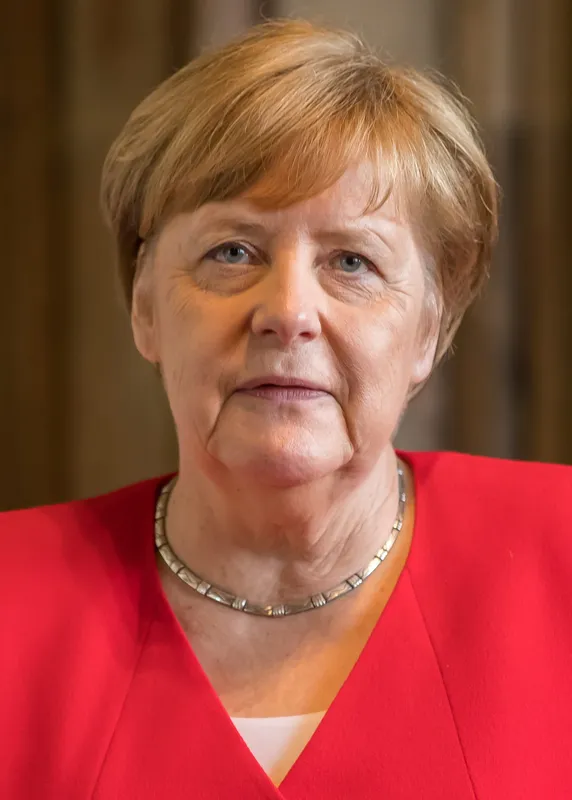
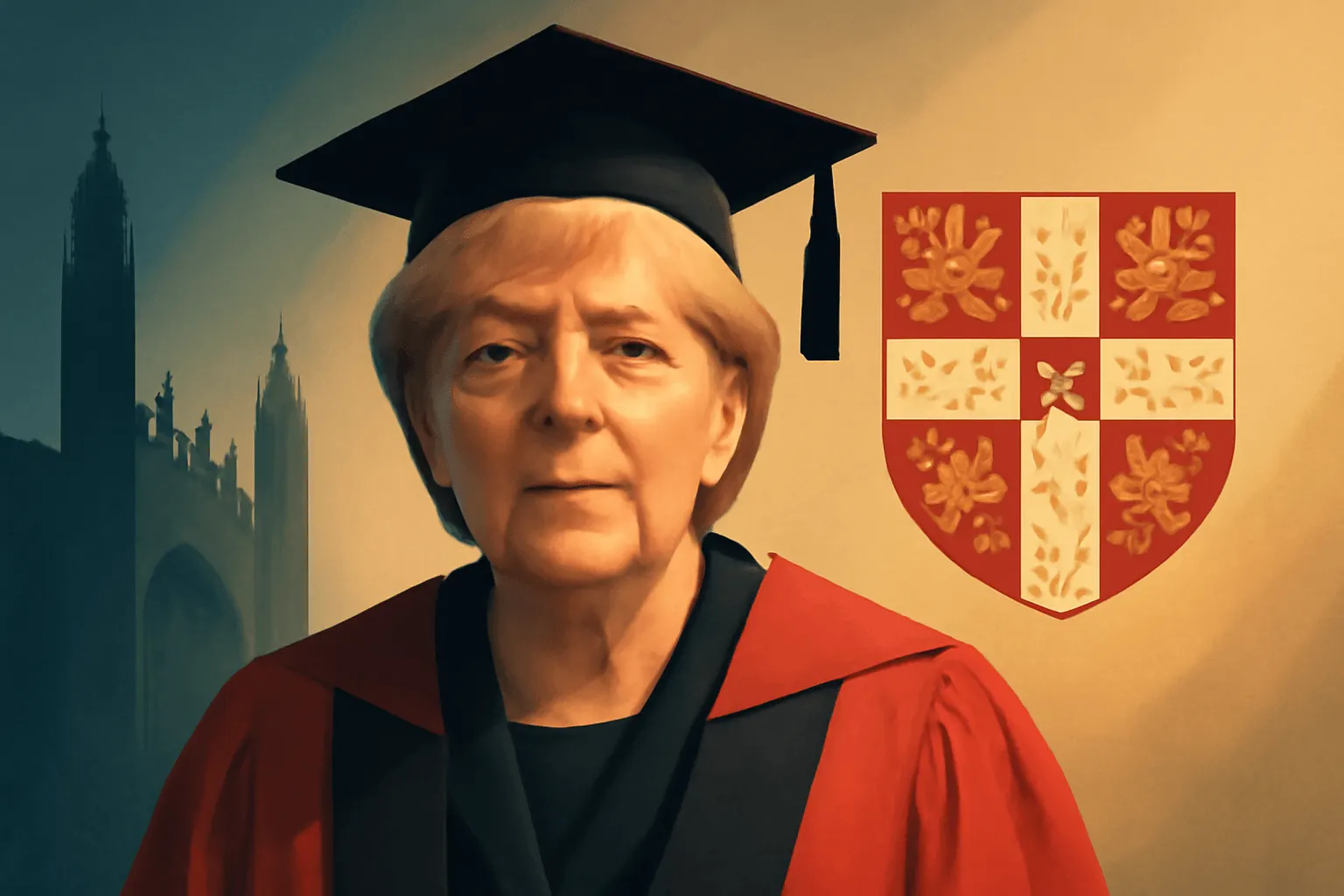
Angela Merkel served as Chancellor of Germany for a remarkably long tenure, becoming one of the most influential political leaders in modern Europe. Born in Hamburg, she grew up in East Germany, where she pursued a career in science, earning a doctorate and working as a researcher in physical chemistry. Her background in the sciences shaped a reputation for analytical, methodical decision-making that would later define her political style.
Merkel entered politics around the time of German reunification, as the fall of the Berlin Wall reshaped the country and the continent. She rose quickly through the ranks, holding ministerial posts before assuming leadership of the Christian Democratic Union, the major center-right party. In doing so she became a pioneering figure, eventually becoming the first woman to lead Germany as chancellor.
Leading Germany and Europe
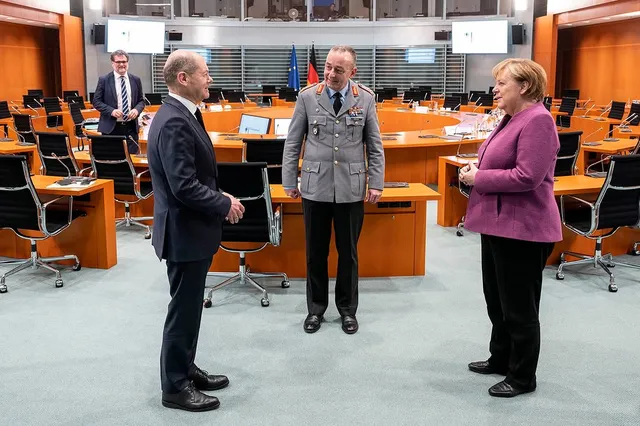
As chancellor, Merkel guided Germany through a series of major challenges that tested both her country and the wider European Union. She played a central role in steering responses to the global financial crisis and the subsequent turmoil in the eurozone, where Germany's economic weight gave her outsized influence over the continent's direction. Her approach often emphasized stability, consensus-building, and pragmatism over ideological confrontation, earning her a reputation as a cautious but steady leader.
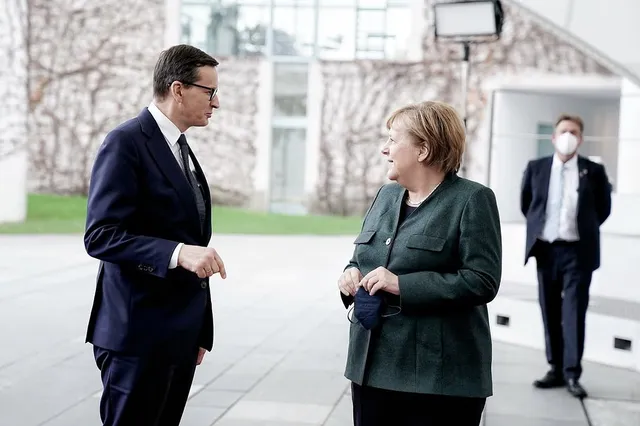
She became one of the most prominent voices in the European Union, helping to shape its responses to economic, diplomatic, and security questions. Her long tenure and Germany's strength made her a key interlocutor on the international stage, where she engaged with leaders across the political spectrum and was frequently described as a defender of multilateral cooperation and the liberal international order.
Defining Moments and Legacy
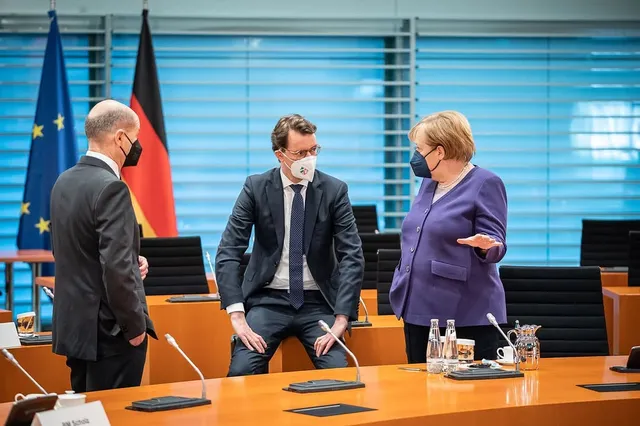
Among the most consequential decisions of her time in office was Germany's response to a large influx of refugees and migrants seeking safety in Europe, a humanitarian stance that drew both praise and criticism and became a defining and debated feature of her leadership. She also oversaw significant shifts in energy policy and navigated the country through public health and economic pressures during her final years in office.
Merkel was widely known for her understated personal style, her preference for careful deliberation, and her ability to remain a stabilizing presence amid turbulent times. Supporters credited her with providing reliable leadership during repeated crises, while critics argued over aspects of her economic, energy, and migration policies. Such debate is a normal feature of any long political career, and Merkel's tenure offered ample material for discussion given its length and the magnitude of the events she confronted.
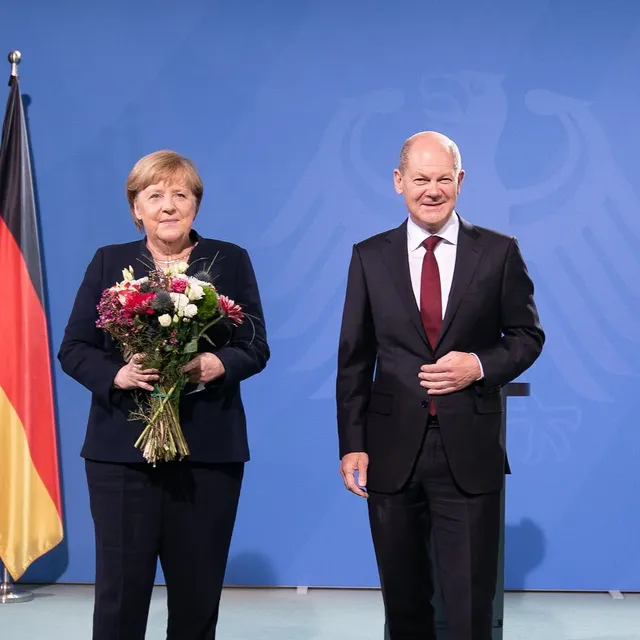
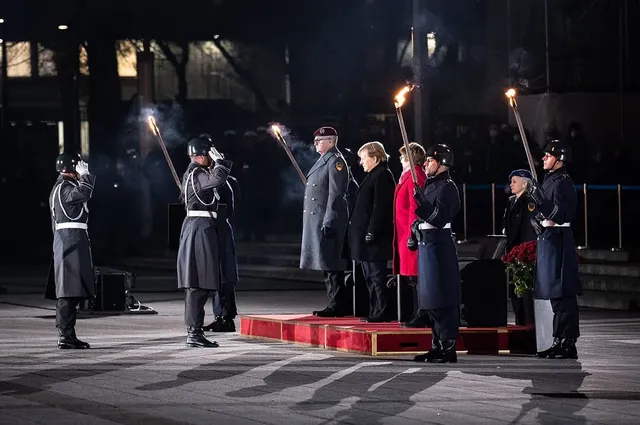
After stepping down, Merkel left a substantial imprint on German and European politics. Her career stands as a notable example of a leader who rose from a scientific background and a divided country to the heights of power, governing through consensus during an era marked by financial instability, migration pressures, and shifting global alliances. As one of the longest-serving leaders of a major democracy in recent memory, she is widely regarded as a defining figure of her generation, and assessments of her legacy continue to evolve as historians and citizens reflect on the choices made during her years at the center of European affairs.