Why Jean-Luc Picard Remains the Leadership Ideal We Can't Stop Mourning

Patrick Stewart's defining role gave generations a template for moral clarity, civic courage, and enlightened authority that feels increasingly rare.
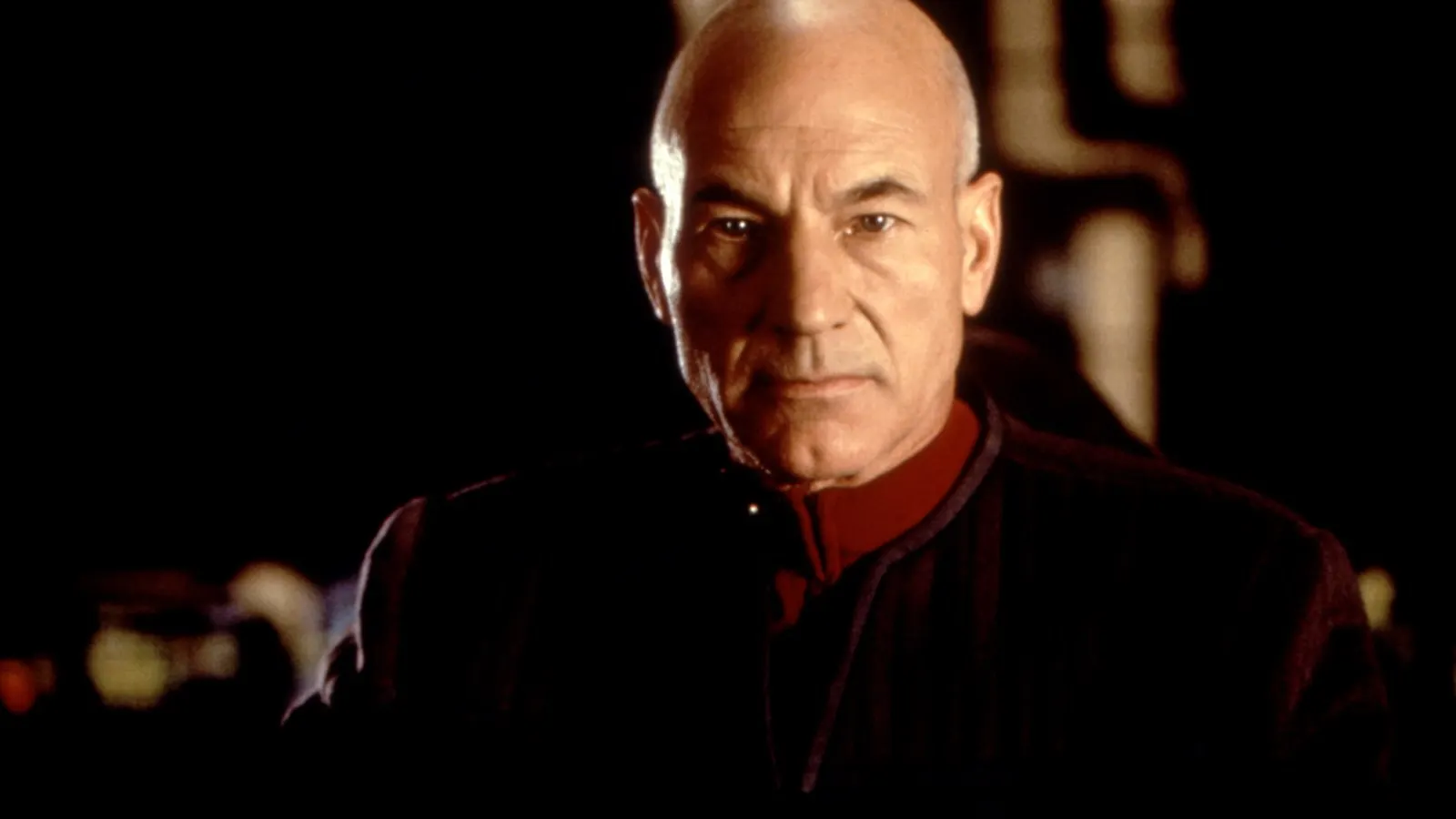
The death of Patrick Stewart has prompted something beyond ordinary celebrity grief — it has reopened a broader cultural conversation about what thoughtful, principled leadership might actually look like, and how seldom we encounter it. In remembering Patrick Stewart as a titan of stage and screen, many have found themselves mourning not just the man but the ideal he spent decades embodying on screen.
A Character Forged by Collaboration — and One Irreplaceable Performer
It would be an overstatement to credit Stewart alone with the creation of Captain Jean-Luc Picard. Gene Roddenberry conceived the character, and an entire writers' room labored across seven seasons of Star Trek: The Next Generation — which ran from 1987 to 1994 — to give him substance and moral architecture. Yet as Rolling Stone has observed, it is the performance itself that ultimately makes Picard coherent. Stewart took a figure that, on the page, is almost absurdly noble — a 24th-century Frenchman with an English accent, a love of Earl Grey, and the rhetorical authority of Churchill fused with the administrative instincts of Eisenhower — and rendered him not merely believable but genuinely moving.
Picard was conceived as a Renaissance man in uniform: versed in archaeology, devoted to classical literature, capable of reciting passages from the Epic of Gilgamesh or Shakespeare's sonnets with the same ease he might issue a tactical order. Stewart's deep roots in the classical theatrical tradition made all of that feel earned rather than decorative. The intersection of those two worlds — rigorous stage craft applied to genre television — was something he pursued with unusual seriousness throughout his career, a quality explored at length in how Patrick Stewart united Shakespeare and sci-fi like no one else.
The Politics of Picard, and Why They Still Sting
What strikes observers most forcefully in the weeks since Stewart's passing is how pointed TNG's vision of leadership looks from the current vantage point. Picard was a champion of egalitarianism and individual liberty — never confusing force with strength, never treating diplomacy as capitulation. The 1991 episode "The Drumhead" is perhaps the purest expression of those values: a paranoid internal investigation aboard the Enterprise targets an innocent officer partly on the basis of his ancestry, and Picard alone has the moral clarity and professional courage to resist the creeping prosecutorial overreach, staking his own reputation on the defense of civil liberties.
The episode's famous warning — that the chain of oppression is forged with the very first censured speech, the very first forbidden thought — has circulated widely since Stewart's death, and not without reason. Picard functioned as an avatar of Enlightenment liberalism at a moment when such values could be dramatized as heroic rather than naive, and the contrast with present-day political culture is not lost on the fans who grew up with him.
Kirk, Picard, and the Shape of Heroism Across Eras
It's worth noting what distinguished Picard from his predecessor. Captain Kirk, Roddenberry's earlier creation, was a creature of midcentury confidence — the swashbuckling derring-do of the space race era, with echoes of both Westerns and Cold War adventure fiction. Picard belongs to a different tradition entirely: less the frontier gunslinger, more the statesman-philosopher. The shift from one to the other tracks something real in how science fiction has reimagined its ideals of authority across the decades.
For Stewart, Picard was also the culmination of a craft philosophy that ran through his entire working life — the conviction that Shakespearean training could inform and elevate any role, however far removed from the stage. That philosophy gave The Next Generation something unusual: a procedural drama about starship command that could, without irony, stage scenes from The Tempest on a holodeck and have them feel entirely at home.
The Void He Leaves Behind
James McAvoy, among others, recognized the mythic scale of what Stewart built with the character — enough so that McAvoy reportedly pitched a young Picard prequel series that nearly came to fruition. That such an idea even gained traction speaks to how completely Stewart had made Picard feel like a figure larger than any single actor's tenure.
What lingers, ultimately, is the question the character keeps posing: whether leadership grounded in intellectual curiosity, moral humility, and genuine civic courage is a fantasy exclusive to fiction, or a standard that real institutions might yet aspire to meet. The fact that the question feels harder to answer optimistically than it did in 1994 is perhaps the most fitting, and melancholy, tribute to what Stewart gave us.
 ProfilePatrick StewartActor
Related
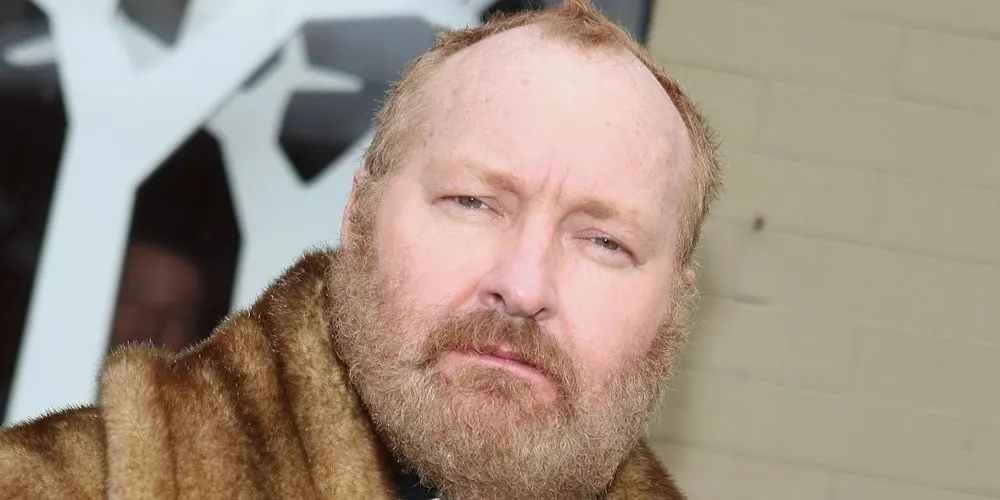
Randy Quaid Slams Anne Hathaway Casting in Days of Thunder Sequel
Randy Quaid, who appeared in the original 1990 film, took to X to demand Nicole Kidman's return and dismiss the Hathaway announcement.

Eva Mendes' 'de Gosling' Tattoo Is the Only One She's Ever Wanted
Eva Mendes is showing off her wrist tattoo again — a small but meaningful piece of ink that carries a deep cultural significance.
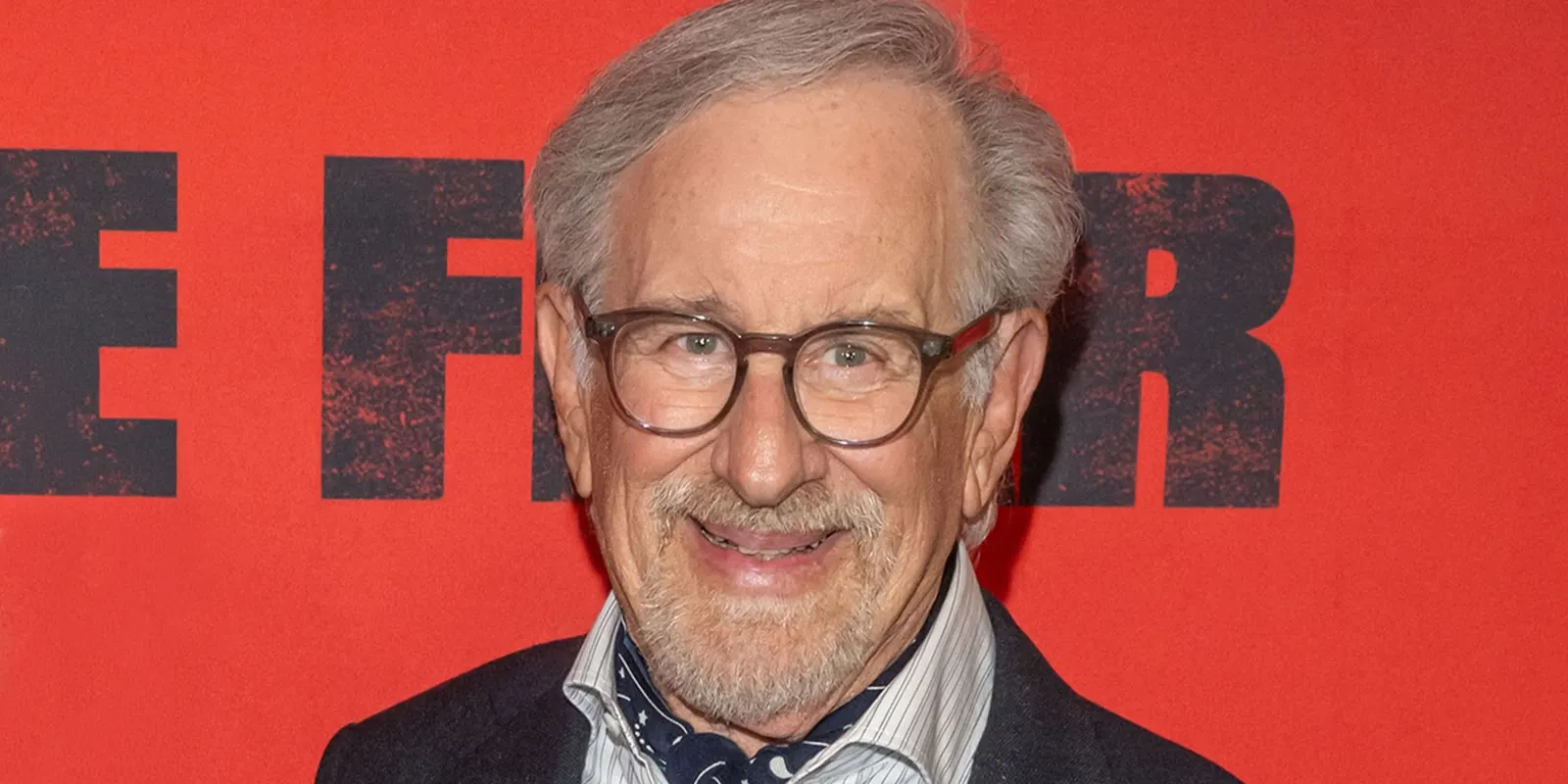
Steven Spielberg's 'War of the Worlds' Returns to Streaming Amid Debate
Steven Spielberg's 'War of the Worlds' is hitting HBO Max next month, reigniting discussions on its mixed reception.