Patrick Stewart, Titan of Stage and Screen, Dead at 86

From Yorkshire amateur dramatics to the bridge of the USS Enterprise, Patrick Stewart built one of the most remarkable careers in modern performance.
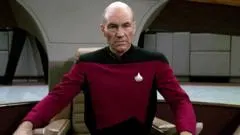
Sir Patrick Stewart, who passed away at the age of 86, leaves behind a legacy that few performers in the history of English-language entertainment can match — a seven-decade arc that moved with rare fluency between the rigors of classical theatre and the expansive demands of Hollywood blockbusters. According to BBC Entertainment, Stewart was a stage and screen great whose command of both comedy and tragedy, historical drama and science fiction, set him apart in an industry not always known for rewarding versatility.
A Yorkshire Beginning Shaped by Hardship
Born Patrick Hewes Stewart on 13 July 1940, in Mirfield in the West Riding of Yorkshire, his early life was defined by two competing forces: the warmth of his mother Gladys's enthusiasm for amateur dramatics and the volatile shadow cast by his father Alfred, a former Sergeant Major whose wartime service at Dunkirk left him with what would today be recognized as post-traumatic stress disorder. That domestic turbulence — drink, anger, and unpredictability — paradoxically gave young Patrick an early appreciation for the order and emotional logic of dramatic performance. The stage, even in a local church production of Cinderella, offered a kind of structural relief that his home life could not.
He left school at 15, briefly working as a journalist and obituary writer at the Dewsbury Reporter before his editor forced him to choose between the press and the "foolhardy" pursuit of acting. He chose the boards — and never looked back. At 18, he suffered what he considered a potentially career-ending blow when he lost all of his hair, a condition he feared would close doors in an industry that prized conventional leading-man looks.
The RSC, Television, and a Career Built Brick by Brick
A scholarship to the Bristol Old Vic set him on a trajectory that led to the Royal Shakespeare Company, where he inhabited roles ranging from Oberon to Enobarbus with the kind of classical grounding that would later inform everything he did on screen. His television work in the 1970s — Lenin in the BBC's The Fall of Eagles, a conspiratorial Roman soldier in I, Claudius, a Soviet operative in Tinker, Tailor, Soldier, Spy and Smiley's People — demonstrated a character actor of considerable range, even if major stardom remained elusive. He himself acknowledged that the first half of his career was, in his own words, "sound but never spectacular."
The Enterprise Changes Everything
The turning point arrived not through a conventional audition but through a Shakespeare lecture he was giving to a Los Angeles class attended by the wife of producer Robert L. Justman, who was deep in the process of reviving the Star Trek franchise. Justman, who had hoped to find a charismatic, hair-having Frenchman for the role, reportedly turned to his wife in the middle of the lecture and declared he had found his new captain. Stewart, skeptical of the project and warned by his close friend Sir Ian McKellen not to abandon his stage career for a space opera, signed a six-year contract largely for financial reasons, privately convinced the show would fail quickly.
It did not fail. Star Trek: The Next Generation became a cultural phenomenon, and Captain Jean-Luc Picard became one of the defining characters of late-20th-century television. The producers wisely abandoned early attempts to put Stewart in a wig — Star Trek creator Gene Roddenberry reportedly observed that in the 24th century, nobody would care whether Picard was bald — and the character's authority and intelligence became inseparable from Stewart's own bearing. James McAvoy once pitched a Young Picard Star Trek series he nearly made, a concept that speaks directly to how enduring the Picard mythology Stewart created has become.
A Knighthood, the X-Men, and an Enduring Imprint
Beyond the Enterprise, Stewart's portrayal of Professor Charles Xavier across multiple X-Men films brought his gifts to an entirely new generation of filmgoers, cementing his status as a genuine crossover icon. Queen Elizabeth II awarded him a knighthood, and a star on the Hollywood Walk of Fame formalized what audiences already understood intuitively. His career encompassed a remarkable breadth — from Arthurian legend to Dickens, from animated voice work to Broadway — earned across more than seventy years of committed, disciplined craft. The entertainment world he leaves behind is measurably richer for the standards he set.
Related on Ni4o: James McAvoy Pitched a Young Picard Star Trek Series He Nearly Made · Hugh Jackman's 'The Sheep Detectives' Becomes a Prime Video Hit
 ProfilePatrick StewartActor
Related
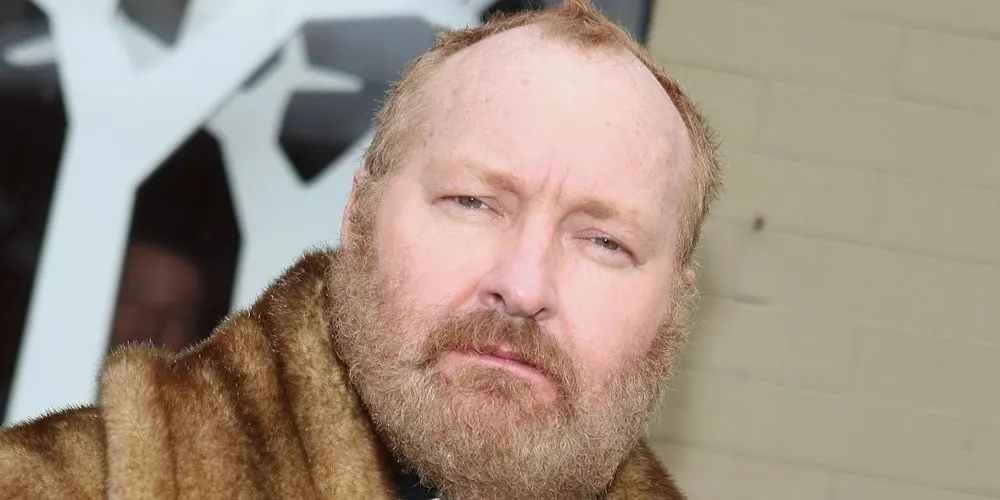
Randy Quaid Slams Anne Hathaway Casting in Days of Thunder Sequel
Randy Quaid, who appeared in the original 1990 film, took to X to demand Nicole Kidman's return and dismiss the Hathaway announcement.

Eva Mendes' 'de Gosling' Tattoo Is the Only One She's Ever Wanted
Eva Mendes is showing off her wrist tattoo again — a small but meaningful piece of ink that carries a deep cultural significance.
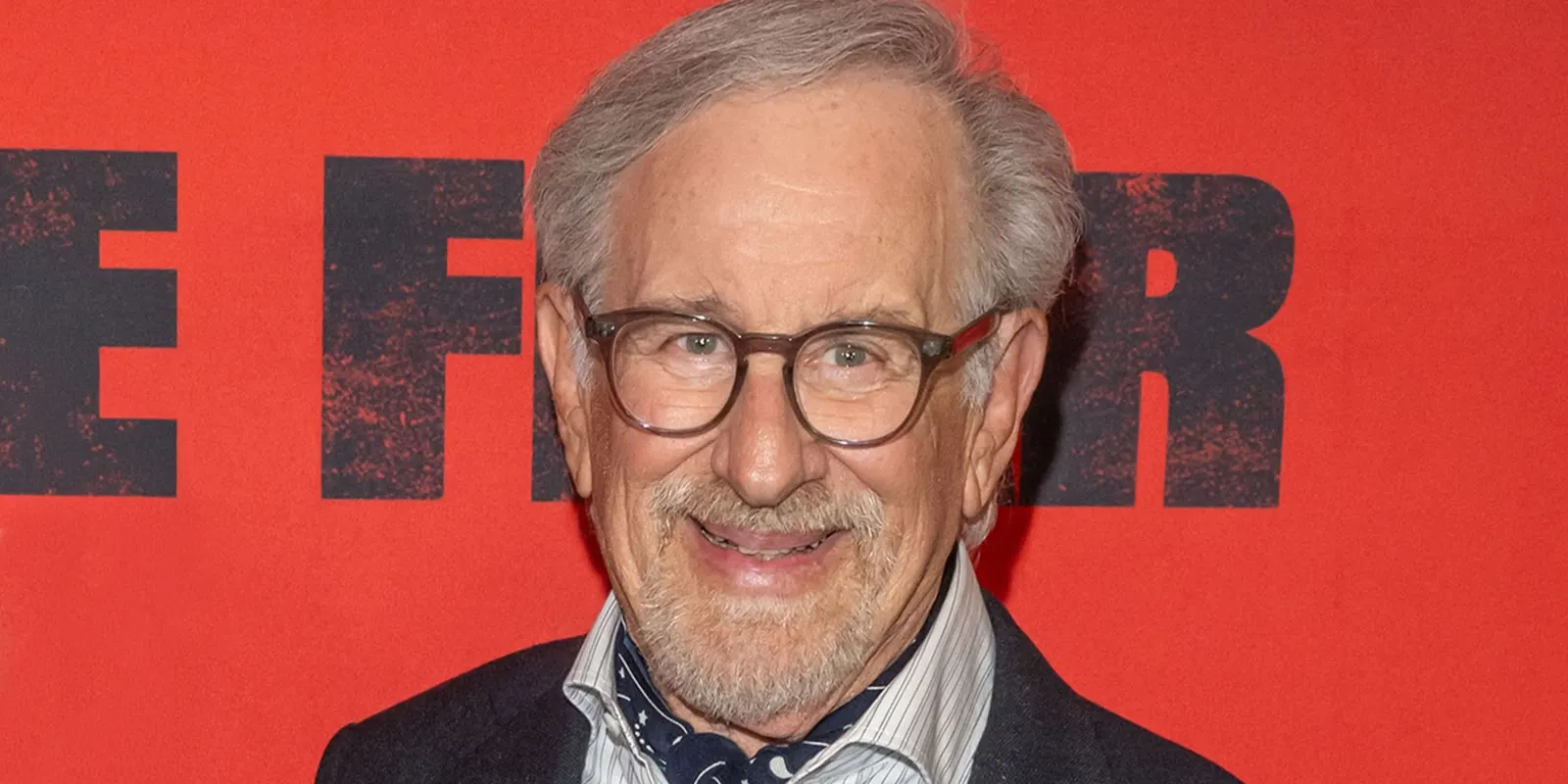
Steven Spielberg's 'War of the Worlds' Returns to Streaming Amid Debate
Steven Spielberg's 'War of the Worlds' is hitting HBO Max next month, reigniting discussions on its mixed reception.