Trump Greets Xi on Tarmac in Rare Diplomatic Gesture to Open Summit

President Trump broke with protocol to personally welcome Xi Jinping at Joint Base Andrews, launching a high-stakes two-day state visit.
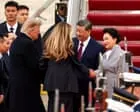
President Donald Trump departed from established diplomatic convention Wednesday evening by traveling to Joint Base Andrews in Maryland to personally receive Chinese President Xi Jinping upon his arrival in the United States, signaling the elevated importance both sides are placing on the two-day summit. The gesture — typically reserved for the White House — was accompanied by an elaborate military ceremony and sets the stage for substantive talks on trade, artificial intelligence, and geopolitical stability.
A Tarmac Welcome Unlike Most
Xi's aircraft touched down to a ceremonial display that, according to The Guardian World, featured a 100-foot red carpet lined by U.S. service members, a flyover by two B-1 bombers, and the formal presentation of both nations' flags and anthems. Trump and First Lady Melania Trump were present on the tarmac to greet Xi and his wife, Peng Liyuan, in person — a protocol departure that underscored Washington's intent to treat the visit with maximum formality. Melania Trump, speaking to Fox & Friends earlier that morning, framed the reception in straightforward terms: Xi was arriving on American soil and deserved to be welcomed with full respect.
One unscripted moment briefly drew attention online: video captured Trump visibly reacting to the noise of a military jet passing overhead while standing beside Xi during the national anthem. Xi remained still. The clip circulated widely but was absent from the edited highlights later distributed by White House aides.
Trade Truce Extended as Talks Begin
Ahead of the leaders' formal meetings, Treasury Secretary Scott Bessent announced that the United States and China had agreed to extend the so-called Busan Agreement — a temporary truce in their ongoing trade dispute — until January 10. Bessent confirmed the extension following his own separate meeting with Chinese Vice Premier He Lifeng. The two-month extension provides breathing room for negotiators but does not resolve the deeper structural tensions between the world's two largest economies.
Trade is one of several significant friction points on the agenda. Xi's broader visit schedule includes a formal welcome on the White House South Lawn, a private tea with the president and first lady, and a tour of the National Archives.
AI Rivalry Takes Center Stage
The artificial intelligence competition between Washington and Beijing is emerging as one of the summit's defining themes. Trump, who has publicly dismissed warnings about the risks of rapid AI development, cast the issue last week in explicitly competitive terms on Truth Social, arguing that the nation that wins AI wins militarily and economically. Senior administration officials have reinforced that framing in recent days.
To underscore the point, the White House has invited the chief executives of some of the country's most prominent technology companies — including OpenAI, Apple, xAI, Microsoft, Nvidia, and Meta — to a state dinner being held Thursday in Xi's honor. The guest list reflects how central the technology sector has become to U.S. foreign policy calculations toward China.
Xi's outreach on the global stage has been consistent in recent months. He has engaged partners across multiple regions, [deepening ties with Southeast Asian allies]( /article/xi-jinping-hosts-hun-sen-to-deepen-china-cambodia-ties) and extending diplomatic gestures elsewhere, including offering aid to Venezuela following earthquakes that struck the country earlier this year.
Stakes for Both Sides
The summit arrives at a moment of considerable geopolitical complexity. Beyond trade and technology, the two sides must navigate disagreements over Taiwan, climate commitments, and broader questions of global order. Trump's own visit to China earlier this year received similar ceremonial treatment from Beijing, and Wednesday's tarmac reception is widely seen as a reciprocal gesture.
The decisions made over these two days carry weight well beyond bilateral relations. As other world capitals monitor flashpoints from Eastern Europe — where Russia's aerial campaign against Ukraine continues — to the Middle East, the tenor of U.S.-China engagement will shape the broader international environment for months ahead.
Related on Ni4o: Xi Hosts Hun Sen to Deepen China-Cambodia Ties
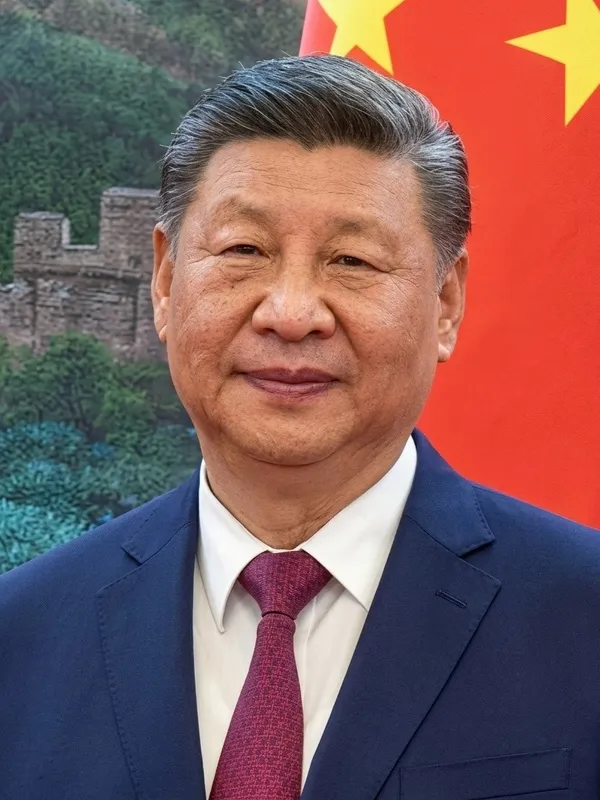 ProfileXi JinpingGeneral Secretary of the Communist Party of China
Related
California Senate Passes Post-Production Tax Bill; Newsom Must Act
SB 2319 cleared the California State Senate 33-5, creating a dedicated post-production tax incentive as the L.A. film industry continues to shrink.

Netanyahu Condemns West Bank Attack on NBC News Team as Settler Violence Escalates
Masked settlers assaulted an NBC News crew and a Palestinian woman in Jalud, injuring four journalists and drawing condemnation from Israel's prime minister.
Park Service Backs Trump Arch Despite Threat to DC Landmark Sightlines
A federal report endorses the proposed 250-foot gilded arch while acknowledging it will disrupt the visual integrity of dozens of historic Washington sites.