California Senate Passes Post-Production Tax Bill; Newsom Must Act

SB 2319 cleared the California State Senate 33-5, creating a dedicated post-production tax incentive as the L.A. film industry continues to shrink.

California's beleaguered film and television industry is now waiting on one signature. The state Senate passed SB 2319 with a commanding 33-5 vote, sending a dedicated post-production tax incentive bill directly to Governor Gavin Newsom's desk with little time to spare.
What the Bill Does
SB 2319 would establish a separate, targeted tax incentive program specifically for the post-production sector — the segment of filmmaking that encompasses editing, visual effects, sound mixing, and color grading. Unlike broader entertainment industry incentives, this legislation carves out a distinct financial mechanism designed to keep post-production work rooted in California rather than allowing it to migrate to competing states or overseas markets that have aggressively courted that business with their own subsidy programs.
The Stakes for Los Angeles
The entertainment industry in Los Angeles has been contracting for several years, a trend accelerated by the back-to-back disruptions of the writers' and actors' strikes, ongoing streaming-era budget cuts, and fierce competition from production incentive programs in Georgia, New York, the United Kingdom, and Canada. Post-production facilities, which employ thousands of highly specialized workers across the region, have not been immune to that pressure. Proponents of SB 2319 argue that without a dedicated incentive, these jobs — and the broader economic activity they generate — will continue to leave the state.
The urgency surrounding the bill has drawn notable voices into the public debate. Earlier this year, SAG-AFTRA's Sean Astin publicly pressured Newsom to support post-production tax legislation, lending prominent industry credibility to the push for action.
The Vote and Its Meaning
The 33-5 margin in the Senate signals broad bipartisan recognition that California's entertainment economy requires structural support, not just rhetorical backing. A lopsided vote of that scale reduces the political risk for Newsom should he choose to sign the measure, while making a veto more difficult to justify publicly. According to Deadline, which first reported the bill's passage, the legislation cleared the chamber with only hours remaining in the legislative window.
Newsom's Decision
The governor has positioned himself as a defender of California's creative industries on several fronts. He has weighed in on major industry consolidation questions, including expressing concerns over the Paramount-Warner Bros. antitrust situation and pushing for an out-of-court resolution in the Paramount merger dispute. Whether he extends that posture to direct fiscal support for post-production workers now falls entirely within his executive authority.
Newsom's office has not publicly committed to a signing timeline. The economic calculus is not without complexity — California faces persistent budget pressures, and expanding tax incentive programs carries real fiscal costs that state accountants will need to model carefully against projected job retention and economic multiplier effects.
What Comes Next
If Newsom signs SB 2319, California would join a growing list of jurisdictions that treat post-production as a distinct economic category worthy of tailored policy. If he declines or allows the bill to lapse, the industry will be watching closely — and so will the union members, studio employees, and independent facilities workers whose livelihoods depend on whether California remains competitive enough to keep the work at home.
The governor's decision is expected in the coming days.
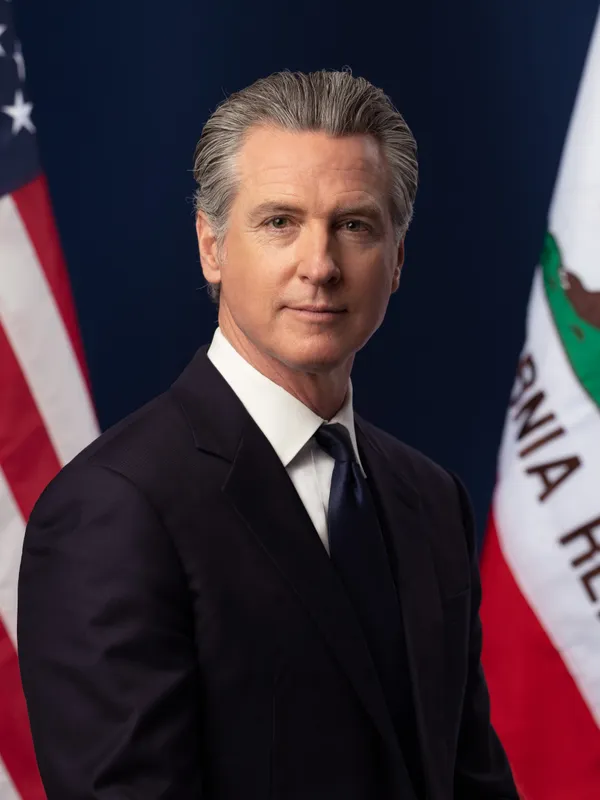 ProfileGavin NewsomGovernor of California
Related

Netanyahu Condemns West Bank Attack on NBC News Team as Settler Violence Escalates
Masked settlers assaulted an NBC News crew and a Palestinian woman in Jalud, injuring four journalists and drawing condemnation from Israel's prime minister.

Park Service Backs Trump Arch Despite Threat to DC Landmark Sightlines
A federal report endorses the proposed 250-foot gilded arch while acknowledging it will disrupt the visual integrity of dozens of historic Washington sites.
Federal Judge Issues Second Block on Trump's Mail Voting Order
A Boston federal judge placed a 14-day hold on Trump's mail voting directive, reigniting a legal battle with major implications for the midterms.