Orbital Data Centers Draw Skepticism From SoftBank's Son and Beyond
Elon Musk's push to build data centers in space is facing hard questions about cost, timing, and whether the idea serves AI's most urgent needs.
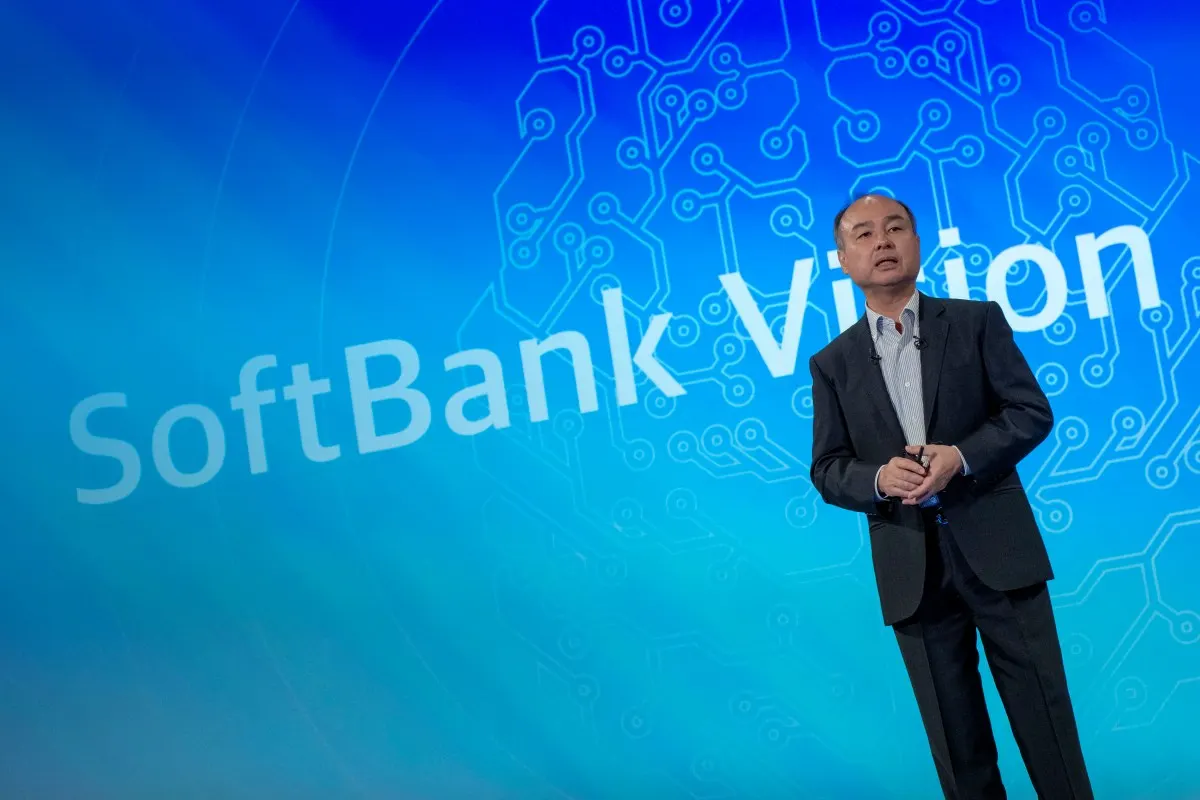
Elon Musk's proposal to construct data centers in orbit is encountering mounting skepticism from investors and analysts who question whether the concept can deliver meaningful results within the timeframe that the AI industry actually requires. The pushback is growing louder — and the critics are not easy to dismiss.
Son Raises the Core Objection
Masayoshi Son, the founder and chief executive of SoftBank, used a recent shareholder meeting to challenge the premise of orbital data centers directly. Son's argument was straightforward: the costs of building such infrastructure would be enormous, the technical hurdles would push any meaningful deployment years into the future, and the AI race is being decided right now. In his view, the next several years matter far more than what might become feasible a decade or more from now.
The remarks drew particular attention because of who delivered them. As analysts at TechCrunch noted, SoftBank has its own well-documented history of placing large, unconventional bets — WeWork being among the most prominent. When a figure with that track record steps forward to call out speculative excess, it carries a certain irony, but also a degree of credibility that is difficult to ignore.
SpaceX's Strategic Interest
Critics have pointed to a tension at the center of Musk's orbital data center vision: SpaceX, the company that would build and launch such a system, would be the primary financial beneficiary. Satellites have limited operational lifespans and require periodic replacement, meaning an orbital data center constellation would generate a continuous and substantial stream of launch contracts — contracts that would flow directly to SpaceX.
SpaceX's launch dominance is already heavily tied to its own Starlink satellite network, which internally drives a significant share of the company's launch volume. Strip out Starlink, and SpaceX's grip on the global launch market would be considerably smaller. An orbital data center program would extend that same logic, effectively creating another captive customer within the Musk corporate ecosystem.
It is worth noting that SpaceX has been expanding its computing business more broadly. The company has signed agreements with major AI players, including Google and Anthropic, to lease out computing capacity — a strategy that puts it alongside a growing number of firms racing to monetize compute at a moment when the industry is severely supply-constrained. Musk's broader ambitions for AI infrastructure come at a time when his own net worth has been reshaped by SpaceX's trajectory.
A Crowded and Uncertain Market
The orbital data center debate sits inside a larger story about the scramble for AI computing resources. Demand for compute has outpaced supply, prompting a wide range of companies — from established chipmakers to unexpected entrants — to position themselves as infrastructure providers. Chipmaker Groq recently closed a $650 million funding round, signaling continued investor appetite for alternative compute platforms. Meanwhile, OpenAI is navigating its own long-term infrastructure and financing pressures as it looks toward a potential public offering.
Analysts have noted that in this environment, technology executives are inevitably talking about futures that align with their own business models. That does not make those predictions wrong, but it is a dynamic worth keeping in mind when evaluating sweeping claims about what the industry will look like in ten years.
The Timing Problem
Perhaps the most damaging critique of orbital data centers is the simplest one: the timeline. Even if every engineering and cost challenge were resolved, the infrastructure would not be operational for years. The companies building large language models and AI services today cannot wait a decade for additional compute. They need capacity now, and the more grounded solutions — terrestrial data centers, expanded chip manufacturing, leased cloud infrastructure — are where the real near-term competition is unfolding.
Son's skepticism may not derail Musk's ambitions, but it has put a credible, high-profile voice behind questions that many in the industry had already been asking quietly.
Related on Ni4o: Elon Musk Becomes First Trillionaire as SpaceX IPO Soars
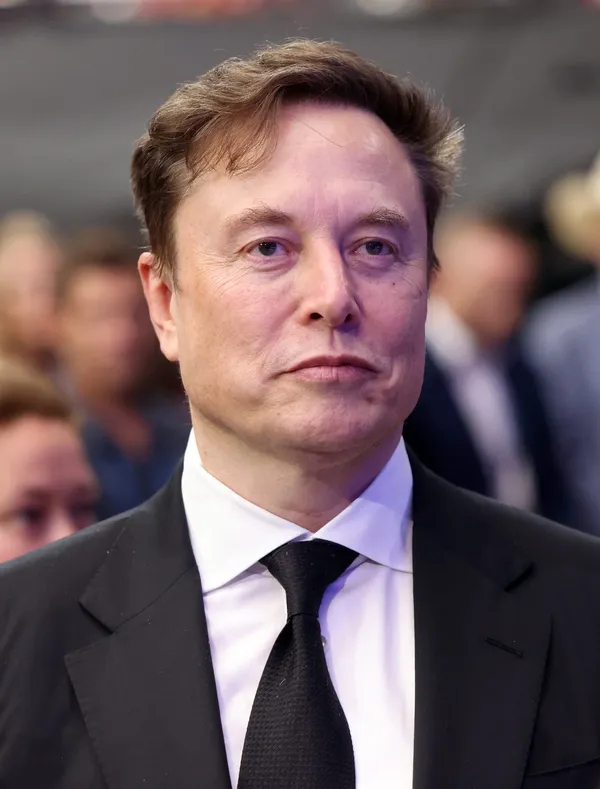 ProfileElon MuskEntrepreneur and business magnate
Related
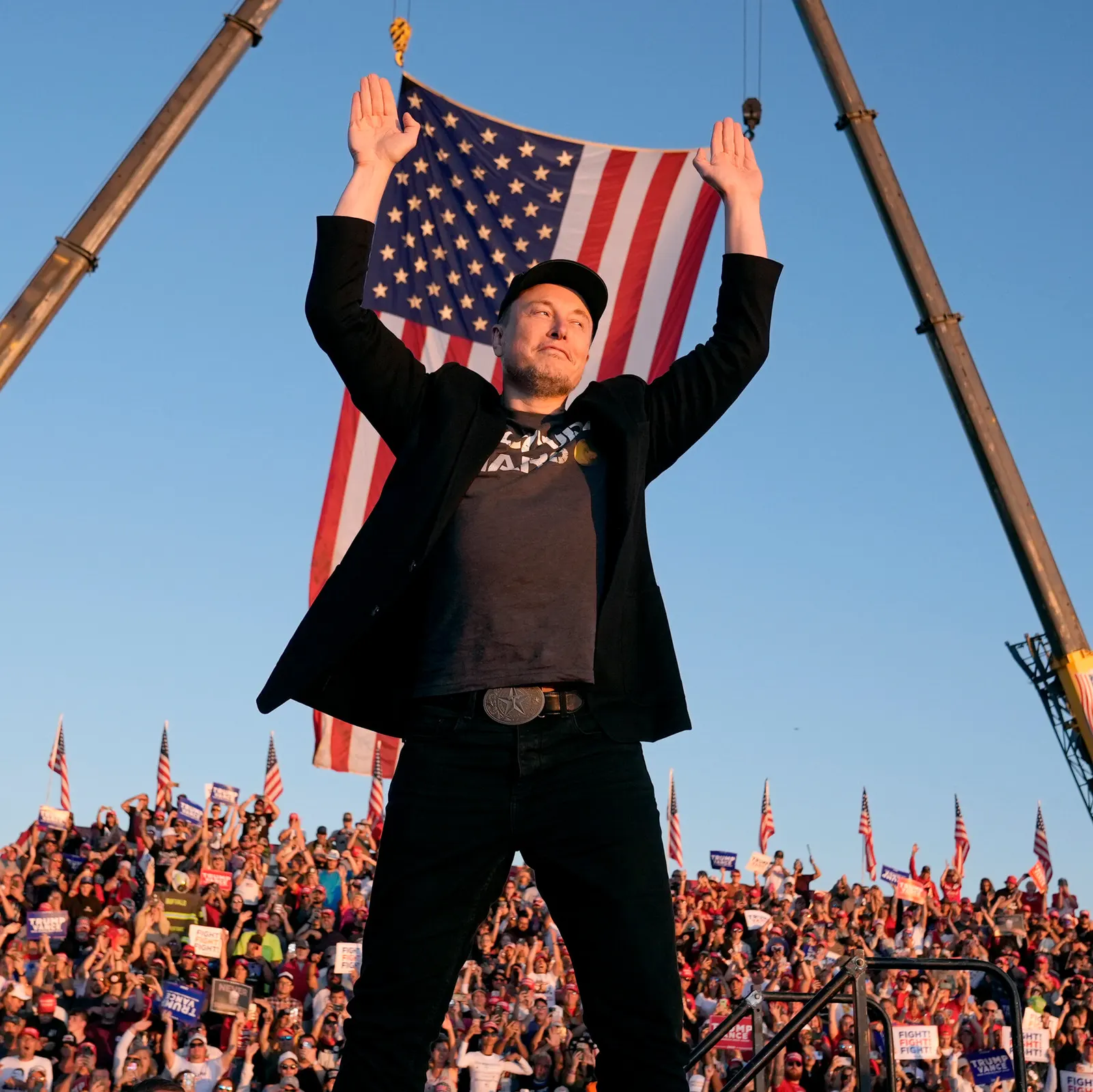
Elon Musk Documentary Among Highlights at Venice Film Festival
The Venice Film Festival features a new section showcasing documentaries, including an anticipated film on Elon Musk.
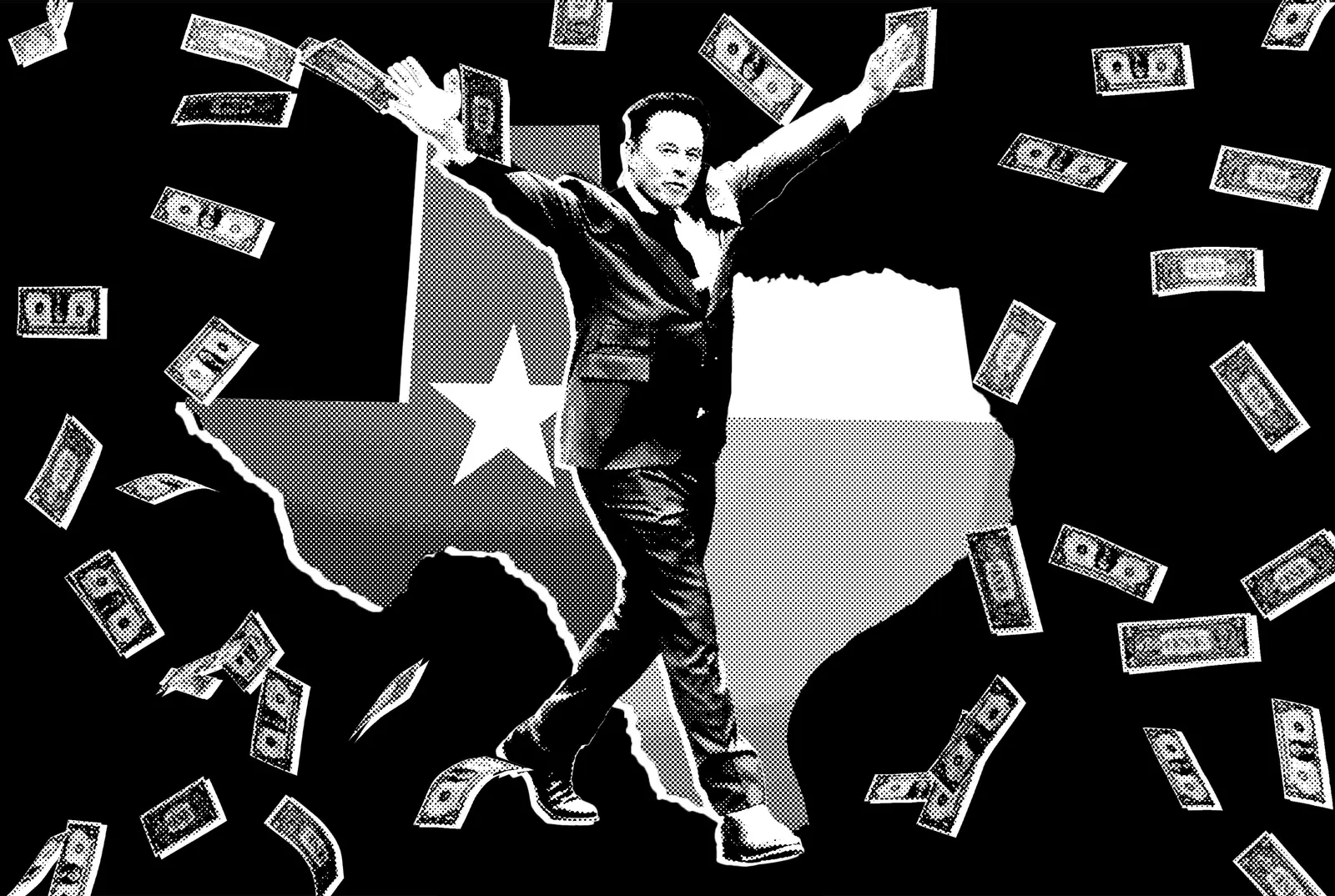
Musk Expected to Pour Up to $200M Into 2026 Midterm Races
Elon Musk is projected to commit between $100 million and $200 million to Republican midterm efforts, with Texas a key focus.

Tesla Prepares for Cybercab Launch Amid Safety Concerns
Tesla is set to unveil its Cybercab, a driverless vehicle pivotal to Elon Musk's vision, but readiness for public roads is questioned.