Nationwide Protests Erupt Over India’s Updated Voter Roll Guidelines

The Modi government's recent changes to electoral rolls have sparked significant civil unrest across India, affecting millions of citizens.
Introduction
Recent changes to India's electoral rolls have ignited widespread protests, as millions of citizens find themselves disenfranchised. The crisis challenges Prime Minister Narendra Modi's government and raises significant questions about electoral integrity and representation.
The Removal of Millions
In an unprecedented move, over 130 million names have been struck from India’s electoral rolls since last year, a figure that exceeds the population of Japan. This process, termed Special Intensive Revision (SIR), has drawn criticism for its massive scale and the apparent lack of transparency surrounding it. For many like Shahida Fakir from West Bengal, the loss of voting rights has become a distressing reality. Fakir, whose family has been registered voters for decades, discovered that her name was absent from the revised list despite providing extensive documentation of her citizenship.
Government Justification
The Modi administration has defended the electoral roll revisions as a necessary effort aimed at purging dead and duplicate names. However, critics argue that the initiative disproportionately targets marginalized groups, particularly Muslims and lower caste communities, which tend to be less supportive of the ruling Bharatiya Janata Party (BJP). The government maintains that the SIR process is a legitimate exercise to enhance electoral reliability.
Escalating Tensions
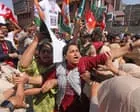
The anger surrounding SIR has escalated into significant public protests across major cities in India. In response to growing unrest, the Delhi government has deployed extensive security measures, including roadblocks and police detentions, to preempt demonstrations led by youth organizations such as the Cockroach Janta Party (CJP). Protestors have called for the resignation of Chief Election Commissioner Gyanesh Kumar, who has faced backlash for overseeing the controversial roll revisions.
Opposition Mobilization
Political opposition has rallied against the government's actions, branding SIR a strategy for electoral manipulation. During recent demonstrations, they gathered thousands of supporters to march through the capital, demanding accountability from the ruling party. Opposition leaders assert that the revised voter rolls have tilted electoral advantages in favor of the BJP, especially in states like Bihar and West Bengal. Allegations of the election commission’s overreach have also emerged, as the commission is now viewed as a key player in citizenship determinations.
Personal Impact and Legal Battles
For individuals like Shahida Fakir, the repercussions of voter roll changes are dire. Fakir, after being deported to Bangladesh—despite her claims of being an Indian citizen—faces an uncertain future. She shared her experience, expressing her desperation to return home to her family. This incident underscores the broader fears among those stripped of their voting rights, as many now worry about detention due to wrongful classification as illegal immigrants. Families recount the humiliation and terror of suddenly finding their names absent from voter lists, fearing separation from their loved ones and loss of benefits.
The Future of Electoral Integrity
These developments raise serious concerns about the future of electoral integrity in India. Since 2023, the Modi government adjusted the appointment process for the electoral commission, giving it greater influence over electoral policies. Critics note that this has compromised the once-independent body. The SIR process, which began in states like Bihar amid accusations of targeting marginalized voters, has already impacted electoral outcomes, as seen in recent state elections where the BJP gained significant victories.
As protests continue, the situation remains fluid, casting uncertainty over the Modi government’s ability to resolve growing discontent. The outcomes of ongoing legal challenges, coupled with the rising tide of civil unrest, will likely play a critical role in shaping India’s electoral landscape in the near future.
Conclusion
The nationwide protests signal a significant backlash against the Modi government's electoral policies, revealing deep societal fractures and the challenges faced in ensuring fair representation for all citizens. As the situation unfolds, many will be watching closely to see how this pivotal moment in India’s democracy is addressed.
For more on Modi's influence in politics today, see our coverage on Mass Protests Challenge Modi's Authority as Ally Resigns.
Related on Ni4o: Modi Welcomes Amazon's Record $48 Billion India Investment · Modi's Growing Collection of Foreign Honours Draws Scrutiny
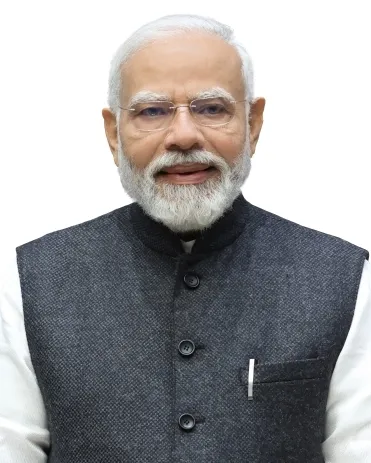 ProfileNarendra ModiPrime Minister of India
Related
California Senate Passes Post-Production Tax Bill; Newsom Must Act
SB 2319 cleared the California State Senate 33-5, creating a dedicated post-production tax incentive as the L.A. film industry continues to shrink.

Netanyahu Condemns West Bank Attack on NBC News Team as Settler Violence Escalates
Masked settlers assaulted an NBC News crew and a Palestinian woman in Jalud, injuring four journalists and drawing condemnation from Israel's prime minister.

Park Service Backs Trump Arch Despite Threat to DC Landmark Sightlines
A federal report endorses the proposed 250-foot gilded arch while acknowledging it will disrupt the visual integrity of dozens of historic Washington sites.