Musk Overrides His Own Executives on SpaceX's Inaugural Earnings Call
SpaceX's first public earnings call exposed a recurring tension between Elon Musk's sweeping forecasts and the measured language his senior executives preferred.
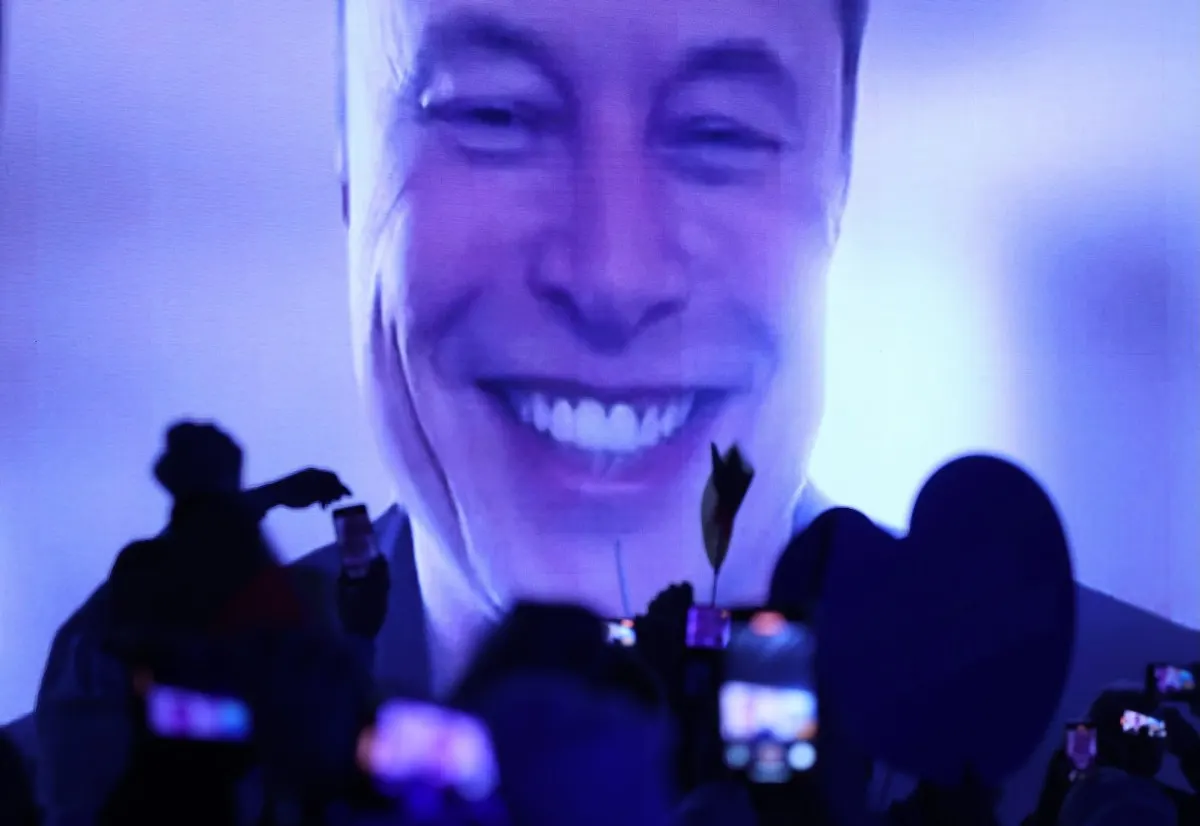
SpaceX held its inaugural earnings call on Tuesday, and the session quickly illustrated a dynamic that investors in Elon Musk's ventures have come to recognize: executives offer carefully hedged projections, and Musk supersedes them with considerably bolder claims. The gap between the two was not subtle, and it carries real implications now that the rocket and satellite company is publicly traded.
Starlink and the Battle Over 'Significant' vs. 'Majority'
One of the sharpest contrasts of the call centered on Starlink, SpaceX's satellite-based internet service. Musk stated flatly that he expects the network to carry "a majority of the world's internet" within fewer than ten years, framing it as a near-certainty rather than an aspiration. Chief Operating Officer Gwynne Shotwell, speaking shortly afterward, described a more modest ambition — that Starlink would account for "a significant portion of global internet traffic" in the years ahead. The word choice was deliberate. "Significant portion" and "majority" are meaningfully different claims, and the distinction reflects the legal and reputational caution that public-company disclosures demand.
The $100 Billion ARR Question That Wasn't a Question
CFO Bret Johnsen offered what was among the most concrete financial targets of the call: a projection that SpaceX is on track to reach $100 billion in annualized revenue run rate by December of this year, driven in large part by surging demand for the company's cloud computing services. Johnsen's language was precise and hedged — language designed to excite investors while limiting legal exposure if the target slips. Roughly twenty minutes later, Musk recharacterized that same figure as a floor, not a ceiling. He told listeners the $100 billion ARR figure was essentially guaranteed under a do-nothing scenario, and suggested the actual outcome would likely exceed it. The rapid growth of SpaceX's compute-leasing business has attracted significant investor attention, but Musk's casual dismissal of a nine-figure projection as conservative underscores how differently he and his finance team are willing to speak publicly about targets.
A Trillion-Dollar Timeline, Now Moved Up a Year
Musk also revised upward SpaceX's internal forecast for reaching $1 trillion in annual revenue — not run rate, but actual revenue. The company's pre-IPO documents, filed just two months ago, had projected that milestone arriving in 2031. On Tuesday, Musk said the internal target has since shifted to 2030, with a non-zero probability of 2029. For a company that recently debuted on public markets, compressing an already-aggressive timeline by one to two years in the span of weeks is an unusual posture.
Starship, Moon Boots, and a Heat Shield Declared 'Solved'
The pattern extended to SpaceX's Starship development program. A shareholder question about NASA's Artemis lunar landing contract prompted Musk to suggest the vehicle could be carrying people by the end of next year. Shotwell again followed with a more structured answer, anchoring expectations to NASA-mandated milestones and citing 2028 as the target for landing astronauts on the moon. Musk also declared the Starship heat shield — a critical and previously problematic component — effectively a solved engineering problem, based on the results of the most recent test flight, even before hardware recovery was complete.
A Pattern With Higher Stakes
According to TechCrunch, this dynamic closely mirrors what plays out at Tesla, where Musk has grown increasingly focused on long-range visions while operating executives handle the specifics of running the actual business. Regulatory scrutiny of Musk's public statements has been a persistent issue across his companies, and the pattern of ambitious forecasting is well documented — including a 2016 pledge to place humans on Mars within six years that never materialized. The difference now is that SpaceX has public shareholders, meaning the distance between an executive's carefully constructed guidance and the CEO's off-the-cuff inflation of it is no longer just a management quirk — it is a disclosure matter.
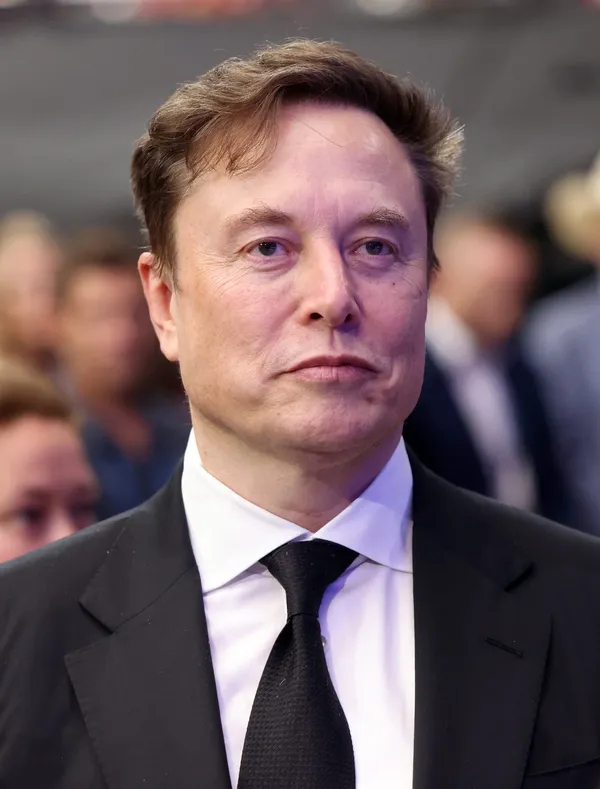 ProfileElon MuskEntrepreneur and business magnate
Related
Elon Musk Documentary Among Highlights at Venice Film Festival
The Venice Film Festival features a new section showcasing documentaries, including an anticipated film on Elon Musk.
Musk Expected to Pour Up to $200M Into 2026 Midterm Races
Elon Musk is projected to commit between $100 million and $200 million to Republican midterm efforts, with Texas a key focus.

Tesla Prepares for Cybercab Launch Amid Safety Concerns
Tesla is set to unveil its Cybercab, a driverless vehicle pivotal to Elon Musk's vision, but readiness for public roads is questioned.