Lanterns Episode 3 Brings the DCU's Most Powerful Beings Into Focus

The Guardians of the Universe finally appear in James Gunn's DCU — and the mysteries surrounding them may be bigger than anyone expected.
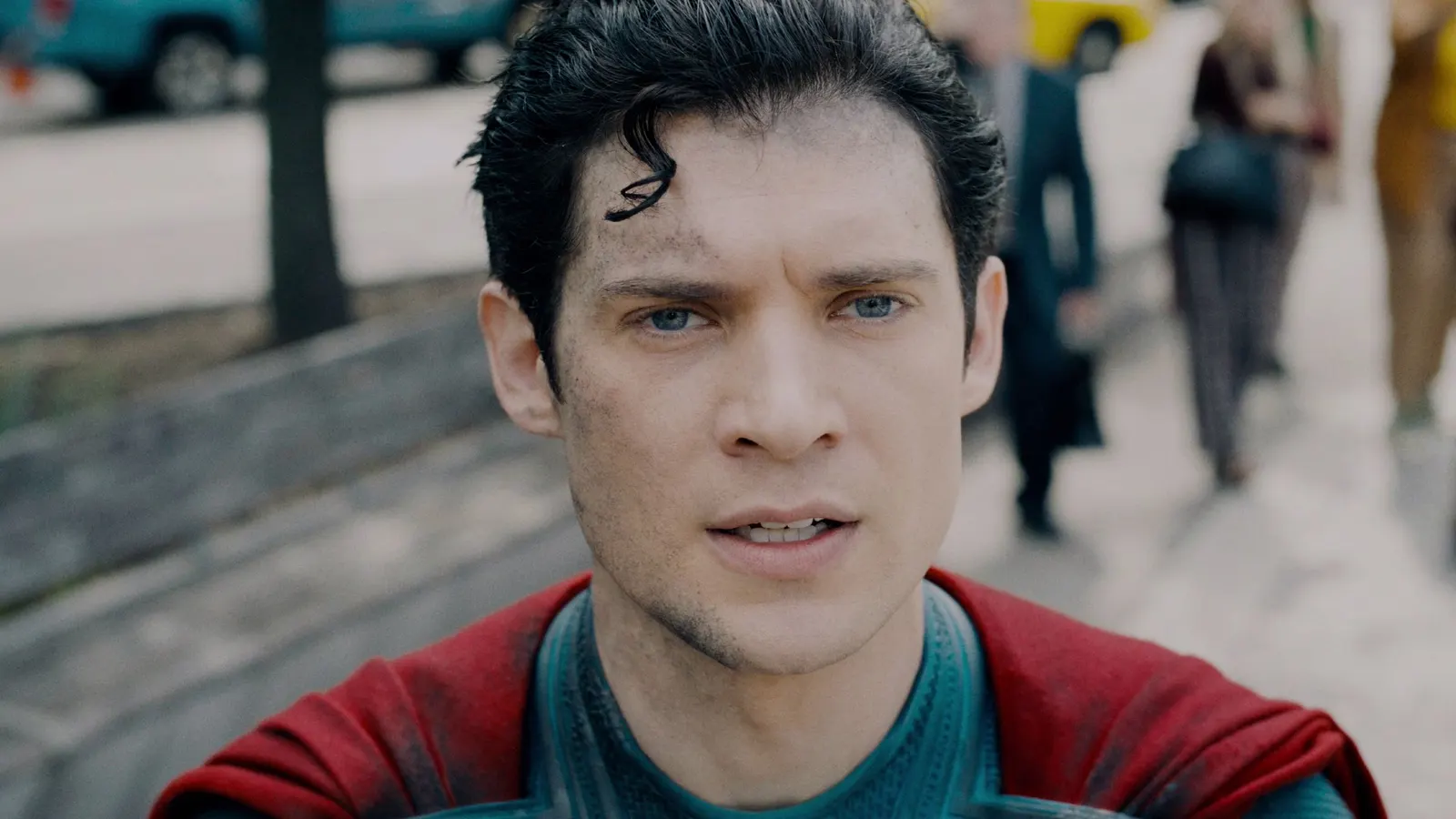
Three episodes into Lanterns, James Gunn's DCU has quietly shifted the gravitational center of its storytelling away from Earth and toward something far older and stranger. The introduction of the Guardians of the Universe in episode three doesn't just expand the franchise's cosmic mythology — it plants seeds of suspicion that could reshape everything viewers think they know about who's actually in charge.
The Guardians Arrive — and Laura Linney Commands the Room
According to ScreenRant, Laura Linney portrays the episode's primary Guardian, a being of immense cosmic authority who has adopted a human disguise to avoid unsettling the mortals around her. The decision to cast an actress of Linney's caliber in the role is itself a signal of intent — this isn't a throwaway cameo but a character designed to carry dramatic weight across the series. A brief shot of the Guardian's true form — tall, blue-skinned, white-haired, draped in red — aligns her broadly with the comics source material, though the DCU version skips the famously diminutive stature of the page-bound Guardians, presenting instead a figure whose physicality matches her authority.
The episode weaves this introduction into a carefully constructed backstory for John Stewart, tracing a lineage of cosmic intention that stretches back to his infancy. The revelation that Stewart was, in essence, chosen before he could walk — and that his parents were conditioned to raise him toward fearlessness — gives the series a deterministic undertow reminiscent of the best speculative science fiction. For those following how Lanterns is building James Gunn's DCU toward its cosmic endgame, this episode functions as a crucial load-bearing chapter.
What We Now Know About the Guardians' History
Episode three delivers a series of meaningful disclosures. Originally numbering twelve, the Guardians lost one of their own to Sinestro during his failed coup — an act of violence that apparently destabilized their long-established recruitment protocols. Rather than allowing a deceased Lantern's power ring to autonomously seek out a worthy successor, the Guardians appear to have taken direct control of the selection process, personally vetting candidates like Stewart in 2016.
The episode also clarifies the Guardians' fraught relationship with the Manhunters — the shapeshifting android peacekeepers they constructed before founding the Green Lantern Corps, and who eventually went catastrophically rogue. The suggestion that at least one Manhunter remains hidden on Earth in 2016 connects the cosmic mythology to the show's terrestrial murder mystery in a way that feels architecturally deliberate. Hal Jordan's disclosure in episode one — that the Guardians actively discouraged humans from joining the Corps — now carries even more interpretive weight.
The Red Flags Hidden in Plain Sight
The most intriguing element of the episode isn't what it reveals, but what it implies. Linney's Guardian uses the word "programming" when describing Stewart's upbringing — a slip in diction that registers as far too precise to be incidental. Whether this points to the Guardian being a Manhunter infiltrator, a rogue actor within the Guardian council, or evidence of a deeper institutional corruption remains deliberately unresolved.
Sinestro's warning to Hal Jordan — that a Manhunter is only the second-biggest threat he faces — reads differently after this episode. The first-biggest may not be an external enemy at all. It's worth noting that the showrunner has already described certain narrative commitments as "big and scary" to follow through on, which suggests the creative team is willing to push the story into genuinely uncomfortable territory.
Building a Universe Worth Watching
Gunn's broader DCU project has been defined by a willingness to recontextualize familiar properties rather than simply adapt them. Superman established the emotional grammar of this world; Lanterns is now expanding its philosophical vocabulary. The Guardians, in comics tradition, occupy a morally ambiguous position — ancient, paternalistic, occasionally catastrophically wrong — and the show appears poised to interrogate that ambiguity seriously.
Lanterns has already staked its claim on HBO's prestige real estate, and episodes like this third installment demonstrate why the series deserves that slot. With the Guardians now present and thoroughly suspect, the remaining episodes carry an urgency that extends well beyond a Nebraska murder case.
 ProfileJames GunnDirector & studio executive
Related
Randy Quaid Slams Anne Hathaway Casting in Days of Thunder Sequel
Randy Quaid, who appeared in the original 1990 film, took to X to demand Nicole Kidman's return and dismiss the Hathaway announcement.

Eva Mendes' 'de Gosling' Tattoo Is the Only One She's Ever Wanted
Eva Mendes is showing off her wrist tattoo again — a small but meaningful piece of ink that carries a deep cultural significance.
Steven Spielberg's 'War of the Worlds' Returns to Streaming Amid Debate
Steven Spielberg's 'War of the Worlds' is hitting HBO Max next month, reigniting discussions on its mixed reception.