Lanterns Showrunner: Killing Hal Jordan Was 'Big and Scary' to Commit To

Chris Mundy explains the creative gamble behind Episode 1's shocking finale and what Hal Jordan's death means for John Stewart's arc.
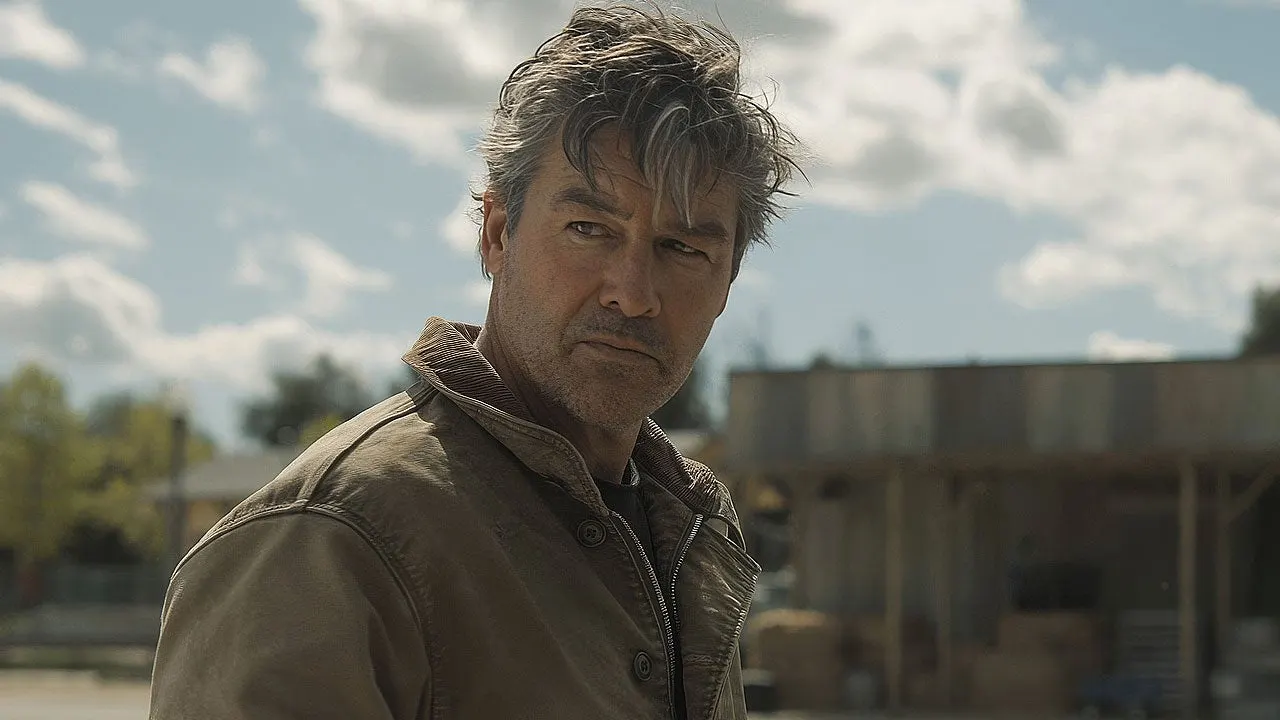
Few television premieres in recent memory have closed on a note quite as audacious as the first episode of Lanterns, James Gunn's HBO co-production that drops one of DC Comics' most enduring heroes before the opening credits have had time to settle. Showrunner Chris Mundy has now spoken candidly about how that decision came together — and why it frightened even the people making the show.
A Death That Doubles as a Beginning
In the final moments of Lanterns Episode 1, Hal Jordan — the archetypal test-pilot-turned-cosmic-cop played here by Kyle Chandler — is discovered dead, apparently shot in the head, and notably without his Green Lantern ring. It is the kind of bold structural move that recalls prestige television's long tradition of dispatching expected protagonists early: a signal to the audience that the rules of the genre they think they're watching no longer apply. According to IGN, Mundy described the choice as "kind of big and scary," emphasising that the weight of the decision was felt throughout the writers' room.
Mundy developed the series alongside Watchmen creator Damon Lindelof and Eisner Award-winning comics writer Tom King, and the trio were deliberate about what the mystery at the show's centre needed to accomplish emotionally. "We needed whatever that mystery was to be as meaningful as possible and as emotional as possible for John, for Hal in a way, but also for the audience," Mundy explained. The show's framing — billed widely as True Detective with superheroes — demands a crime compelling enough to anchor a sustained investigation, and apparently nothing less than the death of a legend would suffice.
The Missing Ring and the Shape of a Character Arc
What gives the premiere its particular texture is not merely that Hal dies, but how he is found: ringless. For a series centrally concerned with what it means to hold onto something precious and then lose it, that detail functions almost as the thesis statement rendered in a single image. Mundy acknowledged that the creative team took seriously the responsibility of not squandering the moment. The show's non-linear structure means Chandler will continue to appear across multiple timelines, allowing the audience to trace the road that led Hal to that final, fatal point — a technique that transforms a shock ending into a slow-burn elegy.
Mundy was also forthcoming about how vital casting proved to the equation. Portraying Hal as prickly and difficult could have calcified into simple unlikability, but Chandler's innate warmth apparently provided the necessary corrective. "You could write it up here and he delivers it and it'd be funny," Mundy noted, essentially crediting the actor with making the character's rougher edges palatable rather than alienating.
Room to Work Within the DCU
For a production embedded within [James Gunn's expanding DCU](article/lanterns-takes-hbo-s-sunday-throne-as-gunn-s-dcu-faces-a-pivotal-moment), creative autonomy was never guaranteed. Mundy admitted he anticipated far more editorial interference from the broader universe machinery than he actually encountered. Early in development the team was able to read the Superman script — Gunn was already shooting that film — and beyond that, the Lanterns writers largely had freedom to pursue their story. "If anything would've bumped, that's an easy phone call or a text," Mundy said, describing the relationship with DC as collaborative rather than constraining.
That relative freedom may explain why Lanterns reads, at least in its opening hour, as a genuine HBO drama first and a superhero property second — a distinction Mundy seems to have cultivated deliberately. The goal, he noted, was to create a show accessible both to viewers fluent in [Gunn's DCU mythology](article/james-gunn-s-superman-at-one-the-five-moments-that-define-it) and to those approaching it simply as a prestige crime narrative with no prior comic-book investment.
Craft Over Caution
What Mundy's candour ultimately reveals is that the strongest creative decisions in Lanterns were not the product of corporate calculation but of genuine artistic commitment — and genuine unease. The willingness to kill an iconic character in the first episode is a statement of intent about what kind of storytelling this series aspires to. That it was described as "big and scary" is arguably the most reassuring thing a showrunner could say: it means the decision was taken seriously, not executed reflexively.
Lanterns continues on HBO.
Related on Ni4o: James Gunn's Influence on 'Supergirl' Soundtrack Sparks Mixed Reactions · Jennifer Holland Calls 'Man of Tomorrow' Potential Best from James Gunn · James Gunn's Praise Helps Launch Kenji Tanigaki's Hollywood Breakthrough
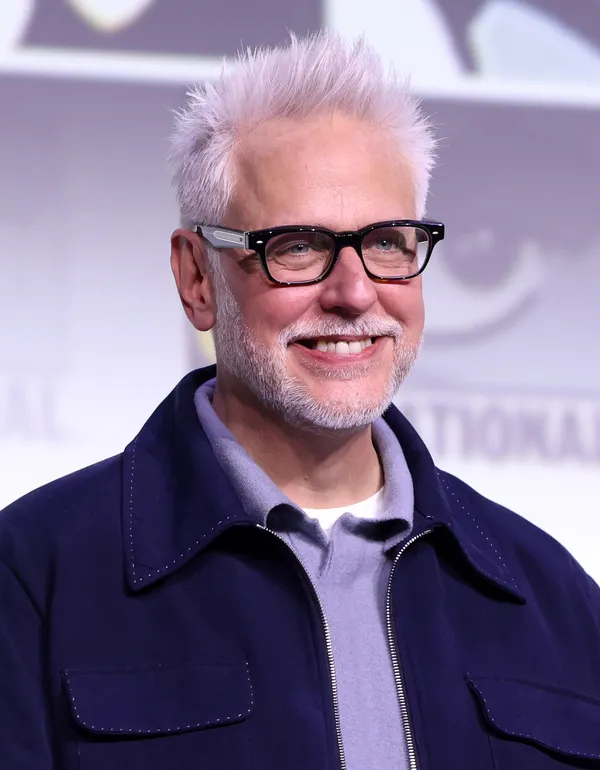 ProfileJames GunnDirector & studio executive
Related
Randy Quaid Slams Anne Hathaway Casting in Days of Thunder Sequel
Randy Quaid, who appeared in the original 1990 film, took to X to demand Nicole Kidman's return and dismiss the Hathaway announcement.

Eva Mendes' 'de Gosling' Tattoo Is the Only One She's Ever Wanted
Eva Mendes is showing off her wrist tattoo again — a small but meaningful piece of ink that carries a deep cultural significance.
Steven Spielberg's 'War of the Worlds' Returns to Streaming Amid Debate
Steven Spielberg's 'War of the Worlds' is hitting HBO Max next month, reigniting discussions on its mixed reception.