Israel's Knesset Elects New Speaker in Blow to Netanyahu's Bloc

Matan Kahana wins the speakership with 66 votes, handing Gadi Eisenkot's coalition-in-waiting a critical legislative edge over Netanyahu's allies.

The Israeli parliament took a significant step toward dismantling the political legacy of outgoing Prime Minister Benjamin Netanyahu on Tuesday, electing a new speaker aligned with the bloc seeking to form the country's next government. The vote signals that Netanyahu's opponents intend to move quickly on a sweeping legislative agenda before a new coalition is formally in place.
Kahana Elected Speaker by Wide Margin
Matan Kahana, a close ally of Gadi Eisenkot — the party leader tasked by Israel's president with forming a new government — was confirmed as Knesset speaker with 66 votes in the 120-seat chamber. His election drew support from both Jewish-led opposition parties and Arab-led parties. Netanyahu's preferred candidate, Ofir Katz, secured only 52 votes following a debate that lasted more than seven hours, according to The Guardian World.
The outcome reflects the broader shift in Israel's parliamentary arithmetic. Following elections on October 27, Netanyahu and his allies lost their parliamentary majority, leaving Eisenkot's bloc in a position of numerical strength even before a government is officially constituted.
Why the Speakership Matters
The speaker's role carries substantial procedural weight. Assaf Shapira, a researcher at the Israel Democracy Institute in Jerusalem, explained that the speaker has the power to accelerate or stall the legislative process considerably. With Kahana in that seat, Eisenkot's bloc gains a meaningful ability to fast-track priority legislation during what may be a narrow window of opportunity.
Eisenkot has up to five additional weeks to secure coalition agreements. If he fails, the president could invite Netanyahu to attempt government formation — a scenario that would likely hand Netanyahu's Likud party control over the committee that governs much of the Knesset's operational agenda. Even if Eisenkot's bloc retained its numerical majority in that outcome, Shapira cautioned that the loss of momentum could leave critical bills stalled.
A Packed Legislative Agenda
Eisenkot's bloc, joined by unaffiliated Arab-led parties, wasted little time last week introducing a series of bills. The proposals include setting term limits on the prime ministership, establishing a government-led inquiry into the Hamas-led attacks of October 7, 2023, and reversing legislation that critics say expanded government influence over judicial appointments while weakening the independent role of the attorney general.
Shapira noted that repealing the judicial overhaul laws would be among the more straightforward tasks, since no new institutions would need to be created. A formal investigative body into the October 7 attacks, he added, would carry greater authority once a government is in place.
Netanyahu's opponents have long argued that he moved to block an independent probe into the intelligence and military failures surrounding that day — the deadliest in Israel's history. Those accusations have remained a persistent source of political pressure on the outgoing prime minister, who has faced mounting scrutiny both domestically and internationally. Protests have previously erupted over his handling of accountability questions.
The Clock Is Ticking
Despite the momentum, procedural hurdles remain. Israeli law requires that a bill be introduced on the floor, reviewed in committee, and subjected to multiple floor votes before it can pass. That multi-stage process compresses the already limited timeline available to Eisenkot's bloc.
Roy Folkman, a member of Eisenkot's Yashar party, currently heads the temporary committee that sets much of the Knesset's work schedule in the absence of a formal government — another tactical advantage for the opposition bloc, at least for now.
For Netanyahu, who has navigated years of legal and political challenges — including disputes over Israel's international relationships and contentious domestic policies — Tuesday's vote represents a concrete institutional setback. Whether it translates into lasting policy change will depend heavily on whether Eisenkot can close a coalition deal in the weeks ahead.
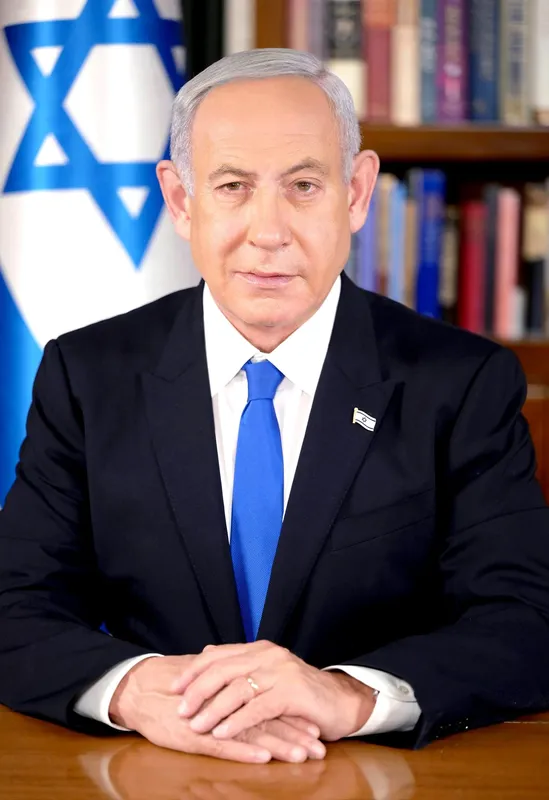 ProfileBenjamin NetanyahuPrime Minister of Israel
Related

California Senate Passes Post-Production Tax Bill; Newsom Must Act
SB 2319 cleared the California State Senate 33-5, creating a dedicated post-production tax incentive as the L.A. film industry continues to shrink.

Netanyahu Condemns West Bank Attack on NBC News Team as Settler Violence Escalates
Masked settlers assaulted an NBC News crew and a Palestinian woman in Jalud, injuring four journalists and drawing condemnation from Israel's prime minister.

Park Service Backs Trump Arch Despite Threat to DC Landmark Sightlines
A federal report endorses the proposed 250-foot gilded arch while acknowledging it will disrupt the visual integrity of dozens of historic Washington sites.