TV & Streaming
David Attenborough's Emmy-Nominated Voyage into Ocean Mysteries
At 100, David Attenborough celebrates two Emmy nominations for his work in nature documentaries, highlighting both challenges and hope for our oceans.
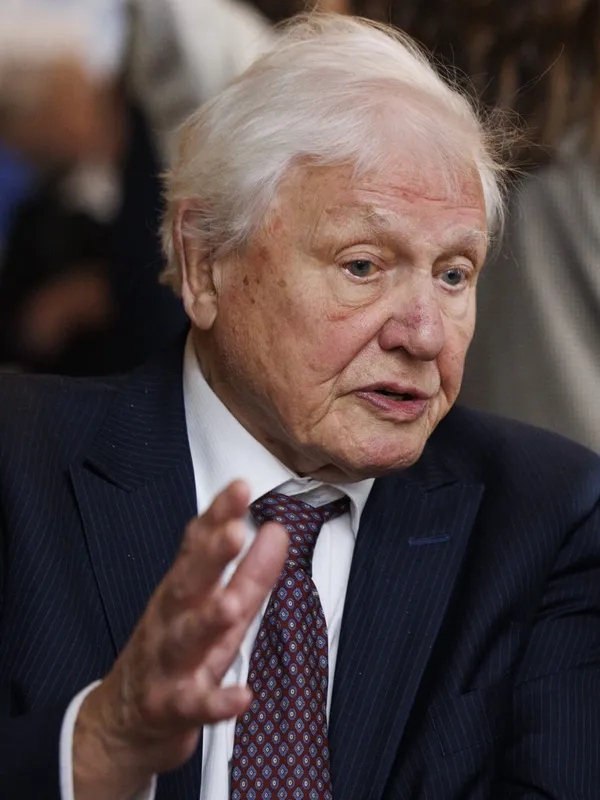
Broadcaster and Natural Historian
David Attenborough is a British broadcaster, writer and natural historian whose voice and storytelling have shaped how generations understand the living world. Across more than seven decades on television, he has become one of the most recognised figures in factual broadcasting, celebrated for pairing rigorous natural science with a sense of wonder.
Born in London in 1926 and raised in Leicester, Attenborough grew up collecting fossils and natural specimens, an early curiosity that never left him. He studied natural sciences at the University of Cambridge before completing national service in the Royal Navy. After a brief spell in publishing, he joined the BBC in the early 1950s, initially working behind the scenes as a producer. His breakthrough came with the series Zoo Quest, which followed expeditions to film and collect animals from around the world and introduced audiences to wildlife rarely seen on screen.
In the 1960s he stepped into management as controller of BBC Two, helping to launch ambitious programming and overseeing the introduction of colour television in Britain. He later returned to making programmes, the work he loved most, choosing fieldwork and narration over administration.
Attenborough's reputation rests on a remarkable run of landmark series. Life on Earth, broadcast in 1979, traced the evolution of life and set a new standard for the natural history documentary, reaching enormous global audiences. He followed it with The Living Planet and The Trials of Life, completing an influential trilogy on ecosystems and animal behaviour.
Later decades brought further milestones, including The Blue Planet and its sequel, which explored the oceans, and Planet Earth, which used advances in filming technology to capture habitats in unprecedented detail. Series such as Frozen Planet, Life and Our Planet continued to push technical and scientific boundaries. His distinctive narration, often delivered in a hushed, intimate tone, became as much a hallmark of these films as their imagery.
In his later career Attenborough increasingly used his platform to address environmental crises, speaking candidly about climate change, habitat loss and the decline of biodiversity. Programmes such as Climate Change: The Facts and A Life on Our Planet framed these issues as urgent and personal, drawing on his lifetime of observing the natural world. He has urged governments, businesses and individuals to act, and his measured advocacy has lent significant weight to conservation campaigns.
Attenborough has received numerous honours over his career, including a knighthood and many awards recognising his contribution to broadcasting and to public understanding of science. Several newly discovered species have been named after him, a fitting tribute to a man who has done so much to document life on Earth.
Now well into his nineties, he has continued to present and narrate new productions, remaining an active and trusted voice. His influence extends far beyond television: he has inspired scientists, filmmakers and ordinary viewers to value the natural world and to feel responsibility for its future. Few broadcasters have matched his reach, longevity or the affection in which he is held by audiences around the globe.
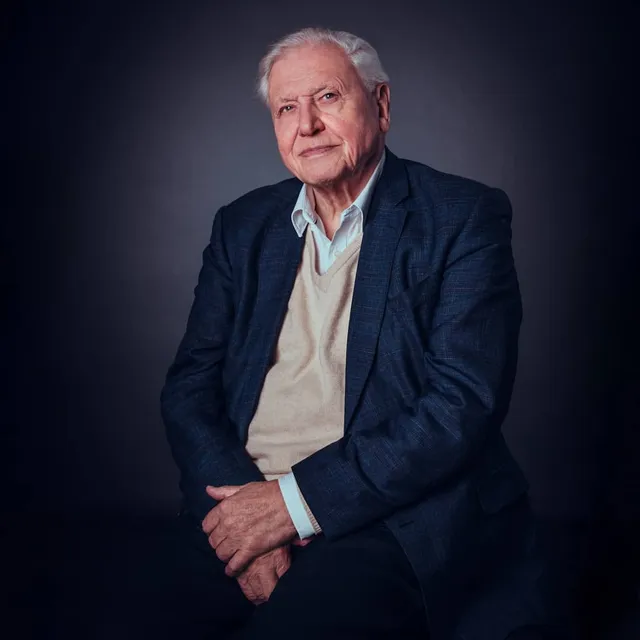
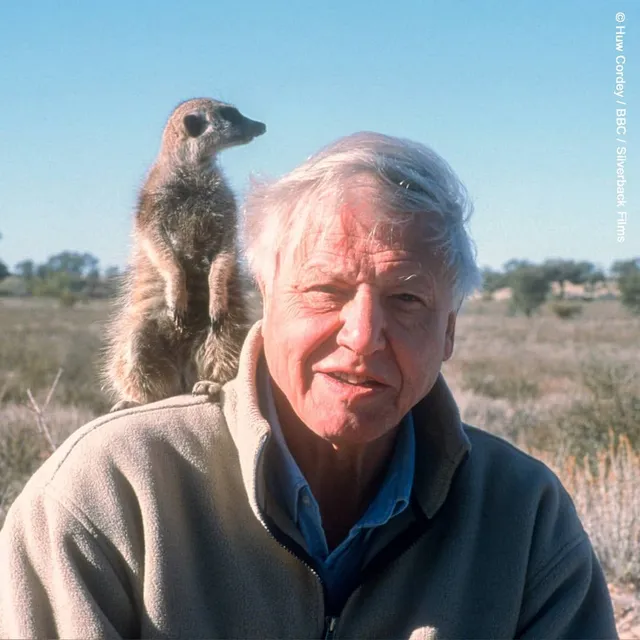
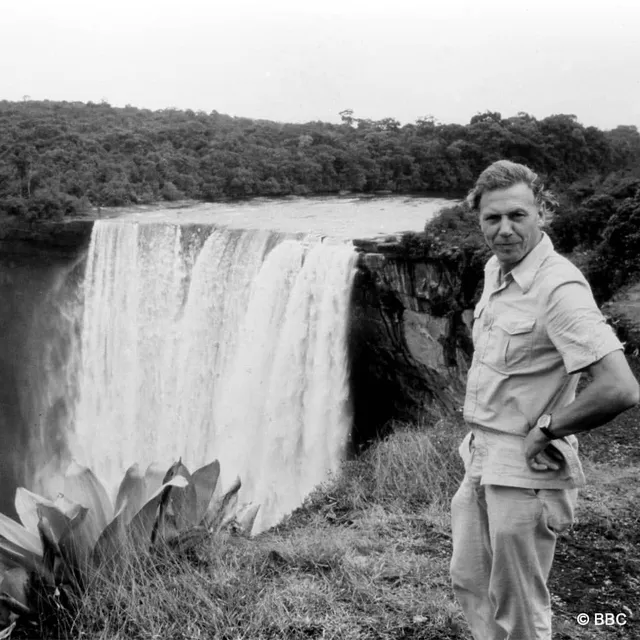
At 100, David Attenborough celebrates two Emmy nominations for his work in nature documentaries, highlighting both challenges and hope for our oceans.
FAQ
David Attenborough was born on May 8, 1926, which makes 100 years old.
David Attenborough is from United Kingdom.
David Attenborough is best known as Screenwriter, Naturalist, Writer. Notable work includes Life on Earth, The Blue Planet, Planet Earth, BBC natural history documentaries, conservation advocacy.
Yes — David Attenborough is on Instagram, X (Twitter), YouTube. You can find the official links on this page.