Zuckerberg's 6,500-Word AI Manifesto Isn't Landing the Way He Hoped

Mark Zuckerberg published a sweeping essay about AI's future, but skeptics say his track record makes it hard to take the vision seriously.
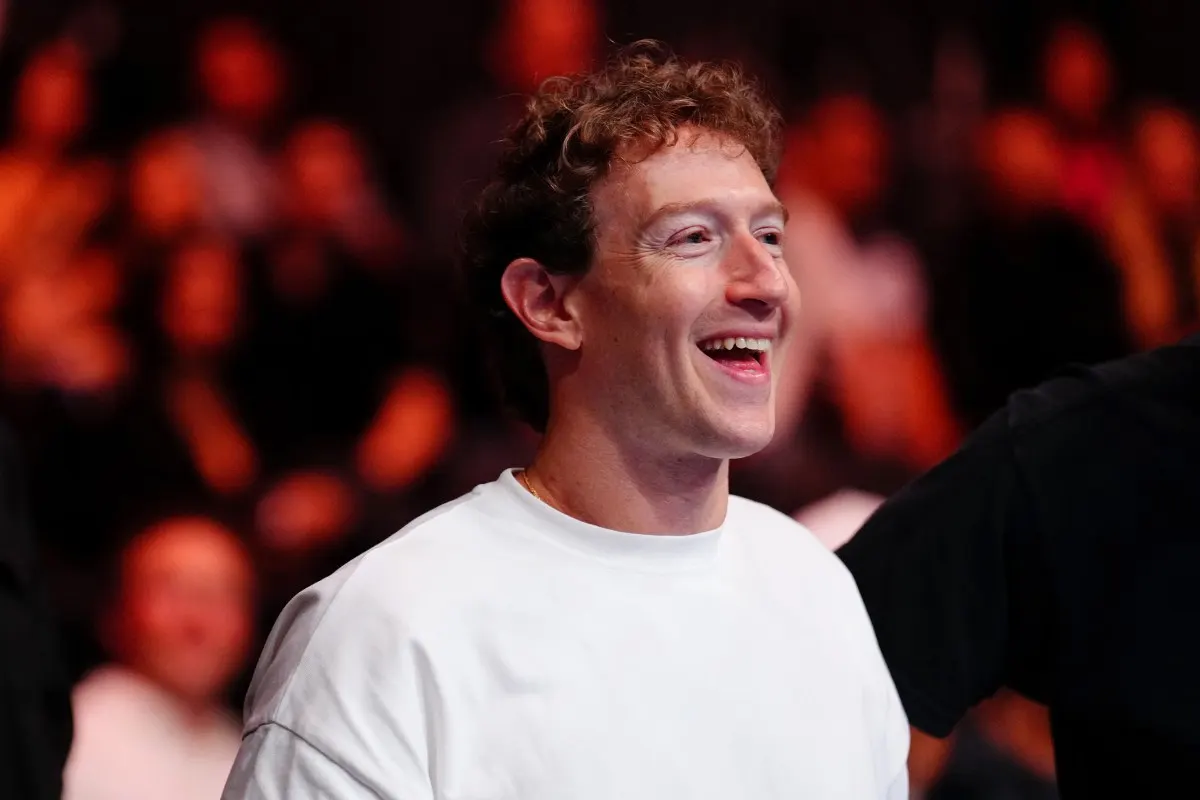
Mark Zuckerberg dropped a 6,500-word essay this week titled "The Future is for Everyone," laying out his case for a world where AI personal agents know your goals, your schedule, and basically everything about you. The reaction, at least among tech observers, has been more skeptical than celebratory.
What Zuckerberg Actually Said
The core of the essay is a pitch for a future where AI assistants run locally on personal devices, available anytime — with or without an internet connection. According to TechCrunch, Zuckerberg envisions tools like Meta's Glimmer model handling tasks like drafting messages, managing calendars, and organizing files. There's also Muse Spark, a higher-tier option aimed at users who need more compute power or want to run larger projects. The framing is consistent with what he's pushed before: AI as a tool for individual empowerment, accessible to everyone rather than locked behind expensive subscriptions or enterprise deals. For more context on where this sits in Meta's broader strategy, see Meta's AI Expansion: Zuckerberg Discusses Venture Beyond Advertising.
Why People Aren't Buying It
The pushback isn't really about the technology itself — it's about who's making the argument. Critics point to Meta's social media era as a cautionary tale. Zuckerberg spent years talking about connecting people and giving everyone a voice. What that actually produced, in many observers' view, was a platform optimized for outrage and ad revenue, not genuine human connection.
That gap between stated mission and real-world outcome is making it hard for people to extend good faith to the new AI pitch. When Zuckerberg says AI will empower individuals, a significant chunk of the audience is mentally scrolling through the Facebook news feed.
There are also practical problems. Glimmer, the on-device model central to this vision, isn't available on standard consumer hardware like a MacBook — you need specific compatible devices. That makes the "AI for everyone" framing feel aspirational at best, and misleading at worst. If you're curious about how some of Meta's AI product rollouts have gone sideways already, the situation around Meta Pulls Muse Image AI Amid Privacy Backlash is a useful reference point.
The Positioning Play
There's a strategic angle here that's hard to ignore. Meta isn't competing at the frontier in the same way OpenAI or Anthropic are. It's not the company most people think of when they want a capable AI assistant. Llama is well-regarded in open-source circles, but on the consumer side, Meta AI hasn't become anyone's go-to tool.
This manifesto looks, at least in part, like an attempt to stake out different territory — personal AI, local inference, individual empowerment — rather than compete head-to-head where Meta is currently weaker. Zuckerberg is also positioning himself against the more cautious voices in the industry. While some frontier lab leaders talk about pacing development and prioritizing safety, Zuckerberg's message is essentially the opposite: slow down and you hand the advantage to China, which hurts the individual consumer in the process. It's a sharp rhetorical move, even if the product reality doesn't fully support it yet. For a closer look at what's happening inside Meta on the AI side, Meta's AI Progress Slows as Zuckerberg Addresses Staff Concerns offers some useful background.
The Credibility Problem
The essay isn't without merit — the idea of capable, private, on-device AI agents is genuinely interesting, and the framing around open models has real value. But the reaction to it says something worth paying attention to. When a vision of the future generates this much eye-rolling, it's usually a sign that the messenger's track record is getting in the way of the message.
Zuckerberg has written letters like this before, including a similar one last year that tied the AI future largely to wearables and smart glasses. The hardware picture remains murky, the consumer products are uneven, and the goodwill needed to make people believe the pitch just isn't there in the same way it might be for someone with a cleaner record. For a deeper dive into what a realistic version of this vision might look like, Zuckerberg's Vision for Personal AI Agents: A Reality Check is worth reading alongside the original essay.
 ProfileMark ZuckerbergCo-founder and CEO of Meta Platforms (Facebook)
Related

Jensen Huang's Call from Trump Disrupts Nvidia's All-Hands Meeting
During Nvidia's recent all-hands meeting, CEO Jensen Huang received an unexpected call from Donald Trump, sparking employee buzz about its implications.

Jane Fonda Supports Mark Ruffalo Amid Controversy Over Antisemitism Claims
Jane Fonda stands by Mark Ruffalo after he was labeled antisemitic by Paramount for criticizing Larry Ellison's ties to Israel and a major merger.

Mark Ruffalo Ties Oracle's Military Tech to Paramount Deal, Studio Fires Back
The Hulk actor linked Larry Ellison's Oracle to Israel's military operations, prompting an unusual public response from Paramount calling the remarks antisemitic.