Meta Pulls Muse Image AI Amid Privacy Backlash

Meta's Muse Image AI generator is now off Instagram after backlash from CAA and SAG-AFTRA over privacy issues. Zuckerberg's company admits to misstepping.
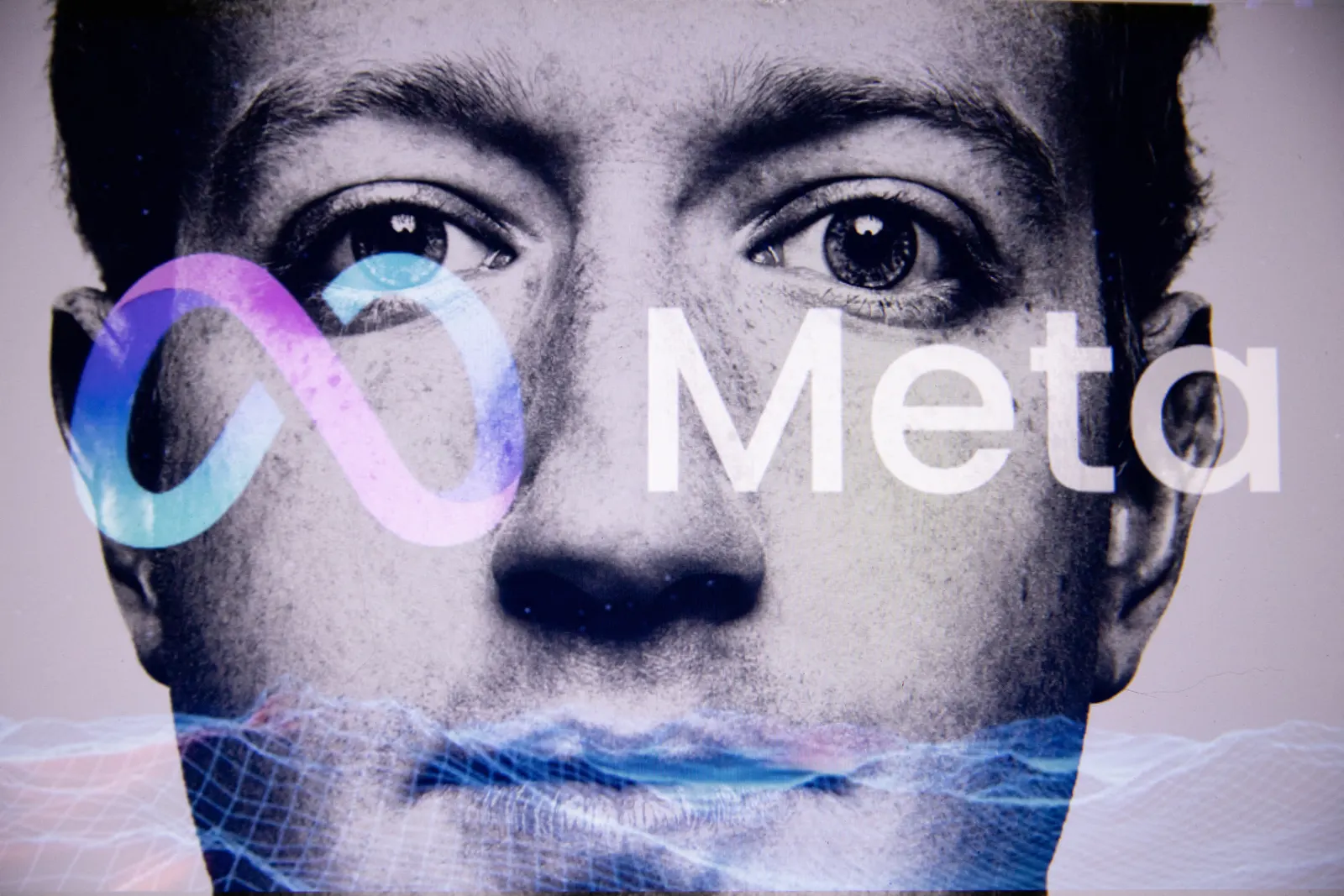
Meta's Muse Image AI generator, launched with much anticipation, has been abruptly discontinued. This decision comes just days after its unveiling, illustrating the tech giant's struggles with user privacy and community trust.
A Sudden Backtrack
The company, headed by Mark Zuckerberg, announced on Friday that the Muse feature is now "no longer available" on Instagram. This reversal was largely influenced by the swift response from the CAA and SAG-AFTRA, who raised significant concerns regarding privacy practices. They highlighted the automatic opt-in feature for users as a major issue, propelling Meta to scrap the function altogether.
Meta acknowledged in their statement that they had indeed “missed the mark,” indicating a recognition of the pushback they received from industry groups and the public alike. This admission also reflects a growing tension between innovation and user rights, particularly in the realm of artificial intelligence.
The Creative Artists Agency (CAA) Takes a Stand
The CAA and SAG-AFTRA have been vocal critics of how AI technologies are being integrated across platforms without sufficient regard for privacy and creative rights. Their prompt advocacy against Muse highlights the increasingly scrutinized relationship between AI development and user protection policies in tech.
For more insights on this, check our article on how CAA Challenges Meta's Muse Image AI Over Privacy Concerns.
Implications for AI Innovation
This incident raises important questions about the future of AI in social media and beyond. As companies like Meta explore new technological frontiers, they must navigate the complexities of ethical considerations about user data. The abrupt discontinuation of Muse suggests that Meta may need to reassess its approach to AI deployment, prioritizing user feedback and privacy concerns.
Already, Meta's AI advancements face challenges. For example, in our detailed piece about how Meta's AI Progress Slows as Zuckerberg Addresses Staff Concerns, we discussed the internal dynamics at play as the company grapples with its public image and operational integrity.
The Path Forward for Meta
While this is a setback for Meta, it prescribes a necessary pivot towards more thoughtful and user-centric AI features. It's clear that user apprehension must be taken seriously by technology companies aiming for long-term engagement and trust. As they either rethink or rebuild AI products, the lessons learned from Muse will undoubtedly shape Meta's future product offerings.
For those following the landscape of tech and AI, this situation is a reminder of the delicate balance between innovation and responsibility. The ongoing dialogue around tech ethics will likely continue to influence how companies like Meta operate.
In summary, while the Muse Image AI was designed to enhance the user experience on Instagram, it ultimately fell short due to privacy issues that could not be overlooked. Zuckerberg’s team now faces the challenge of ensuring that future launches are more aligned with community expectations and privacy standards.
Related on Ni4o: Zuckerberg Greenlights Meta Prediction Market App 'Arena'
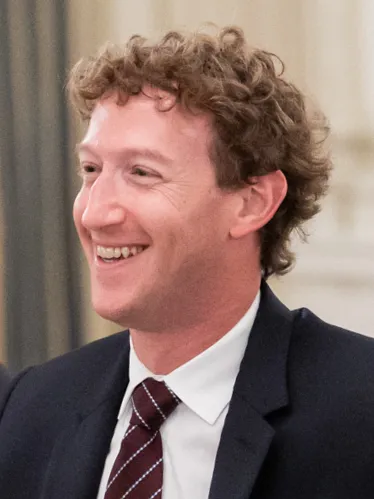 ProfileMark ZuckerbergCo-founder and CEO of Meta Platforms (Facebook)
Related
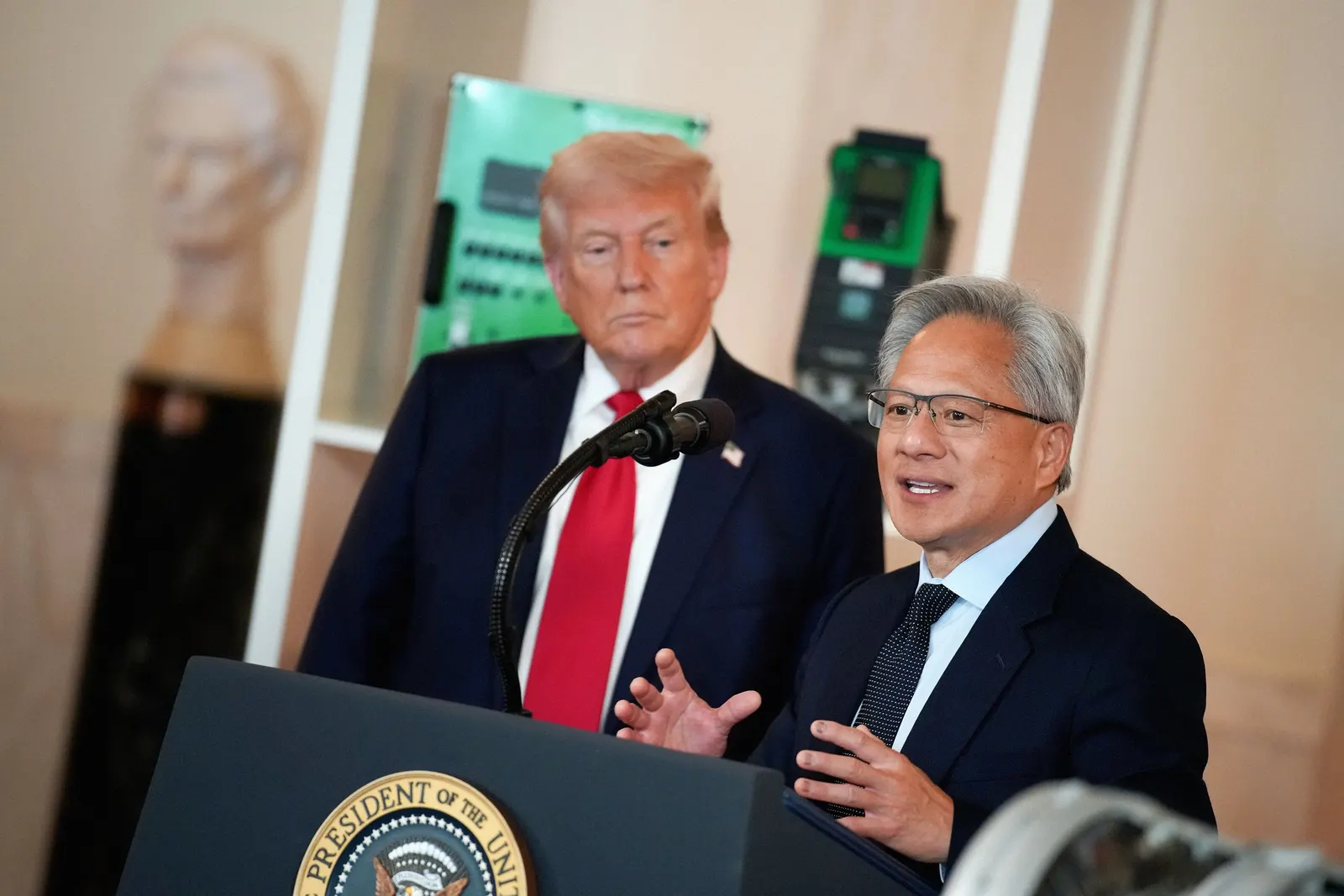
Jensen Huang's Call from Trump Disrupts Nvidia's All-Hands Meeting
During Nvidia's recent all-hands meeting, CEO Jensen Huang received an unexpected call from Donald Trump, sparking employee buzz about its implications.
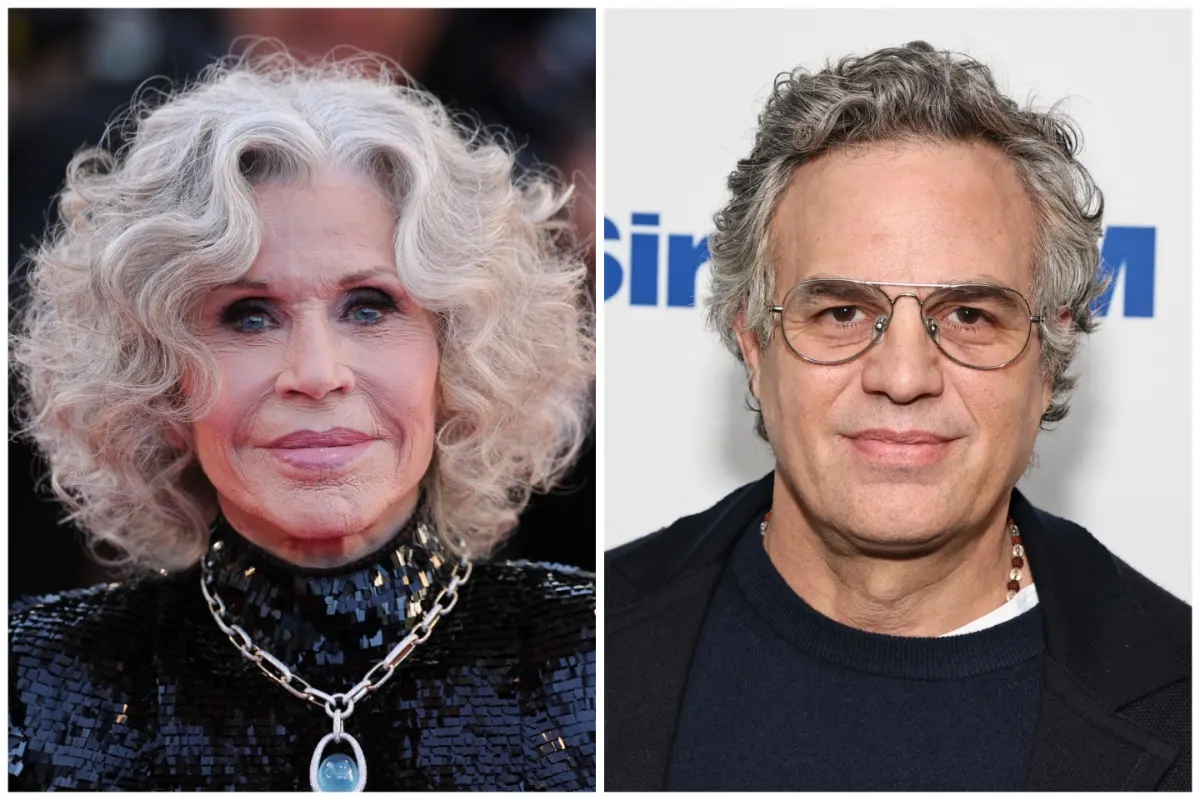
Jane Fonda Supports Mark Ruffalo Amid Controversy Over Antisemitism Claims
Jane Fonda stands by Mark Ruffalo after he was labeled antisemitic by Paramount for criticizing Larry Ellison's ties to Israel and a major merger.
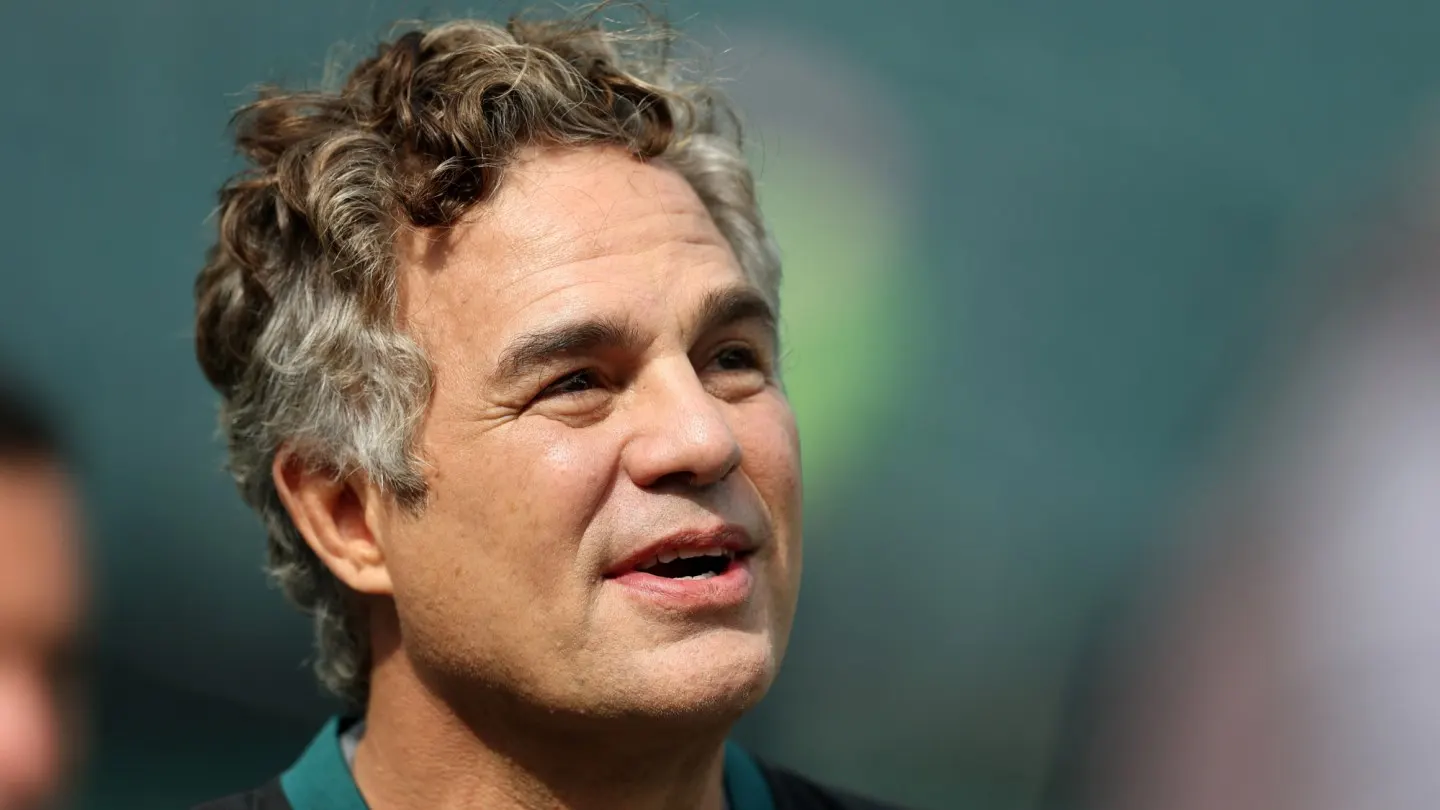
Mark Ruffalo Ties Oracle's Military Tech to Paramount Deal, Studio Fires Back
The Hulk actor linked Larry Ellison's Oracle to Israel's military operations, prompting an unusual public response from Paramount calling the remarks antisemitic.