Zuckerberg's Vision for Personal AI Agents: A Reality Check

Mark Zuckerberg forecasts a future where billions will have AI agents, but key challenges loom ahead.
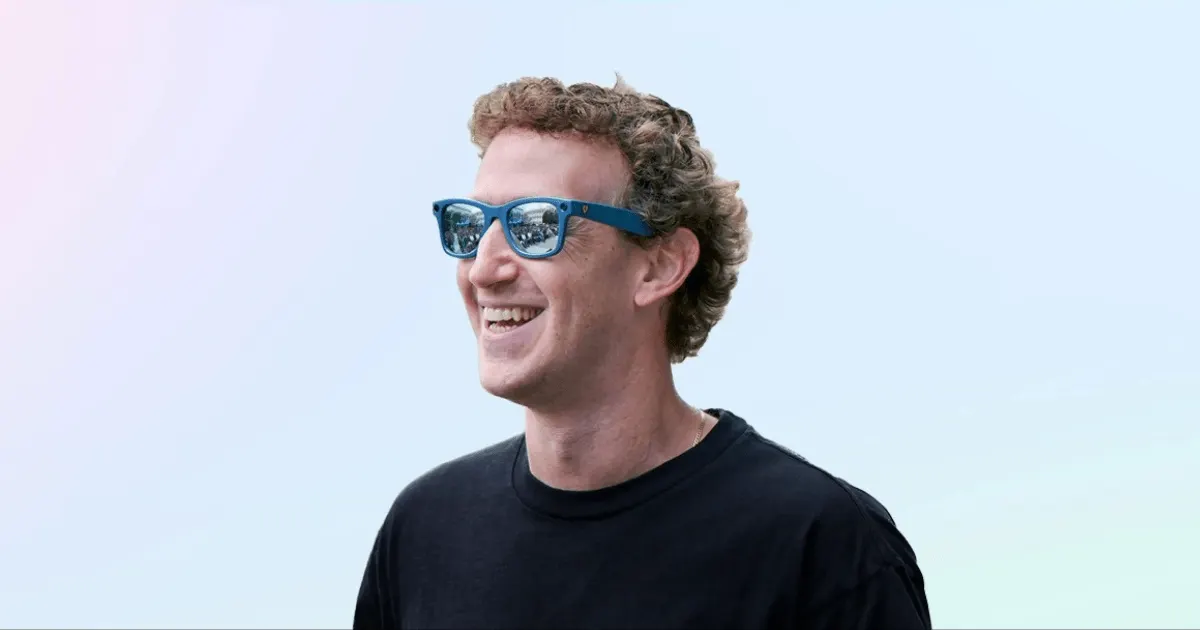
Meta’s founder and CEO, Mark Zuckerberg, is projecting a bold future where personal AI agents are commonplace—potentially helping billions of individuals with various aspects of life. During a recent quarterly earnings call, he expressed his belief that within five years, many will have personal AI assistants dedicated to helping achieve individual goals like managing health, finances, and relationships.
The AI Landscape
Zuckerberg is not alone in this vision. Other tech giants, like Google, are investing heavily in AI systems capable of acting on behalf of users rather than merely responding to queries. For instance, Google's recent search overhaul indicates that custom AI agents are becoming key features, although user reaction has been mixed, with some expressing frustration over information clutter.
This trend suggests a growing demand for AI that can intuitively assist users in their daily tasks. AI agents could handle routine management such as household chores or financial planning. While Zuckerberg envisions personal agents becoming integrated into daily life, it’s important to remain cautious about how this ambitious plan will unfold.
Financial Considerations
However, Meta is facing significant financial pressures. The company recently reported a 91% year-over-year drop in free cash flow, plummeting from $8.55 billion to just $784 million this quarter. This downturn comes on the heels of Meta investing heavily in AI infrastructure, including a recent partnership with BlackRock to establish a $14 billion data center in El Paso, Texas. With Meta’s Reality Labs, responsible for VR and AR technologies, continually posting substantial losses (around $4.6 billion this quarter alone), investors are understandably wary.
Zuckerberg believes that personal AI will pave the way for future products and revenue streams. Yet, Meta’s current turnaround strategy needs to effectively balance investment in technology against the challenges of profitability.
Adoption Challenges
While Meta’s AI business agents have found a foothold, adopted by over one million businesses globally on WhatsApp and Messenger, convincing everyday consumers to embrace personal AI agents may prove more complex. Shifting user perception and behavior is not as easy as rolling out the technology. Market dynamics suggest that wider adoption might take longer than anticipated.
In light of the ongoing skepticism regarding Meta's vision, some investors remain unconvinced about its prospects. As competition heats up in AI development, Meta faces the challenge of distinguishing its offerings in a crowded field. For instance, Meta's AI Progress Slows as Zuckerberg Addresses Staff Concerns illustrates the pressures facing the company internally as well as externally.
A Cautious Outlook
In summary, while Zuckerberg’s projection of personal AI agents for billions of people sounds optimistic, the hurdles surrounding financial sustainability and user acceptance remain formidable. As Meta continues to stake its future on these digital assistants, it’s essential for stakeholders and consumers alike to critically evaluate whether this vision can become a reality, given the current landscape. The technology is promising, but translating that promise into widespread adoption requires careful navigation of existing challenges, both technological and financial.
For those looking for an in-depth look at Meta's recent activities, check out our articles on Zuckerberg Greenlights Meta Prediction Market App 'Arena' and CAA Challenges Meta's Muse Image AI Over Privacy Concerns.
 ProfileMark ZuckerbergCo-founder and CEO of Meta Platforms (Facebook)
Related

Jensen Huang's Call from Trump Disrupts Nvidia's All-Hands Meeting
During Nvidia's recent all-hands meeting, CEO Jensen Huang received an unexpected call from Donald Trump, sparking employee buzz about its implications.

Jane Fonda Supports Mark Ruffalo Amid Controversy Over Antisemitism Claims
Jane Fonda stands by Mark Ruffalo after he was labeled antisemitic by Paramount for criticizing Larry Ellison's ties to Israel and a major merger.

Mark Ruffalo Ties Oracle's Military Tech to Paramount Deal, Studio Fires Back
The Hulk actor linked Larry Ellison's Oracle to Israel's military operations, prompting an unusual public response from Paramount calling the remarks antisemitic.