Zelenskyy Condemns Trump's Russian Diesel Deal as 'Absolutely Terrible'

Ukraine's president blasts a surprise U.S.-Russia fuel agreement as an investment in war, deepening the rift between Kyiv and Washington.
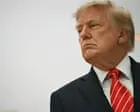
A sweeping agreement between Donald Trump and Vladimir Putin to transfer millions of tons of Russian diesel fuel to American and global markets has triggered an angry and public rebuke from Ukrainian President Volodymyr Zelenskyy, opening a significant new fracture between Washington and its key wartime partner. The deal, announced Friday via Trump's Truth Social platform, is also expected to strain relations with NATO allies who have spent years coordinating sanctions pressure on Moscow.
Trump's Fuel Deal With Putin
Trump framed the arrangement as a direct response to surging diesel prices, which have climbed to a record $6.52 per gallon after Iran's closure of the Strait of Hormuz disrupted roughly a fifth of global oil supplies. Regular gasoline has also risen, now averaging $4.20 per gallon nationally. The agreement calls for an initial shipment of over 300,000 tons of diesel, followed by 500,000 tons in November, one million tons shortly after, and an eventual delivery of three million additional tons.
"Diesel prices for Americans and, indeed, the world, will be COMING DOWN, IN RECORD NUMBERS, AND FAST," Trump wrote, specifically citing relief for farmers, ranchers, and truckers as his top priority.
The announcement landed while Trump's envoys Steve Witkoff and Jared Kushner were simultaneously meeting with Ukrainian and European officials in Miami to discuss potential pathways toward ending the conflict — a juxtaposition that Zelenskyy pointedly highlighted.
Zelenskyy's Sharp Reaction
Speaking to Axios, Zelenskyy called the deal "absolutely terrible" and likened it to a birthday gift for Putin, who turned 74 earlier this week. In a more formal statement released through Ukraine's embassy in Washington, he argued that the purchase amounts to direct financial support for Russia's ongoing military campaign and accused the Ukrainian negotiating team of being "used as a smokescreen for the deal."
"It is an investment in a war that must be ended, not prolonged," Zelenskyy said, warning that Moscow would likely respond to the economic boost with "further terror and perfidy."
This episode represents the latest escalation in a turbulent relationship between Zelenskyy and the Trump administration. The two leaders have clashed repeatedly since Trump's return to office, most notably during a widely reported confrontational White House meeting in which Trump told Zelenskyy, "You don't have the cards." For more background on those bilateral dynamics, see Trump Holds Meetings with Zelenskyy and Netanyahu Amid Tensions and Support.
Bipartisan Criticism at Home
Opposition to the deal extended well beyond Kyiv. Senate Democratic Leader Chuck Schumer, alongside Senators Jeanne Shaheen and Elizabeth Warren, issued a joint statement arguing that the agreement undercuts legislation Trump himself signed last month — a law authorizing broad sanctions on Russian financial institutions, officials, and tankers, and directing steep tariffs on top importers of Russian energy.
"This is what failure looks like," the senators said, accusing the administration of bankrolling the Russian war economy in direct contradiction of congressional intent.
Criticism also came from within Republican ranks. Nebraska congressman Don Bacon wrote on X that propping up Putin's war economy was "morally wrong," calling Trump's approach toward Russia and Ukraine a policy failure that lacked moral clarity.
Broader Strategic Concerns
The deal arrives at a moment of heightened anxiety across the NATO alliance, with speculation mounting that Russia may be weighing provocative military action designed to test the alliance's cohesion. As Zelenskyy Details Russia's Latest Week of Airstrikes, the battlefield toll in Ukraine continues to rise even as diplomatic maneuvering accelerates.
Adding to the complexity, the agreement was reached despite Russia's documented support for Iran during its ongoing conflict with the United States — including the provision of satellite intelligence on American military positions and the supply of drone components and ammunition to Tehran.
Trump has also recently pressured Zelenskyy to halt Ukrainian strikes on Russian diesel refineries, a request Zelenskyy rejected without a reciprocal Russian commitment to stop targeting Ukraine's own energy infrastructure. That standoff, reported according to The Guardian World, now sits unresolved alongside the fuel deal, further complicating prospects for any near-term diplomatic breakthrough. For broader context on the ceasefire landscape, see Zelenskyy and Putin Both Spoke With Trump Before NATO Summit Talks.
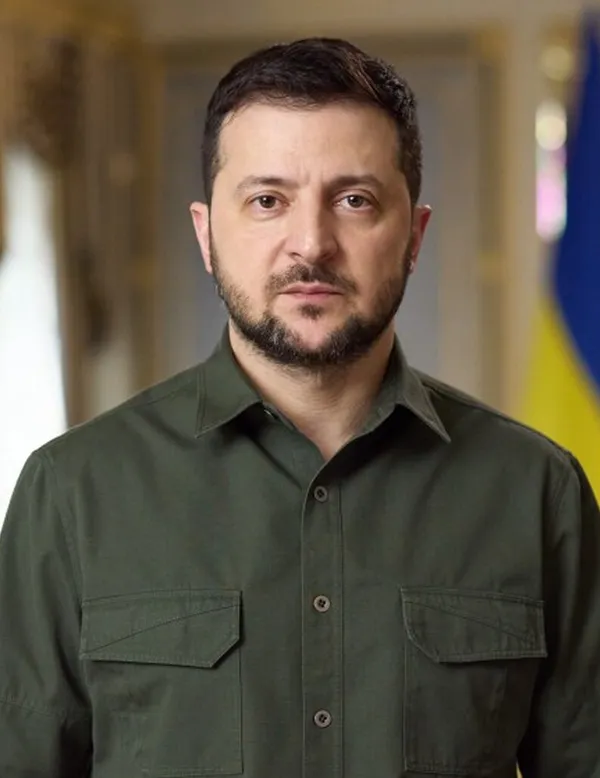 ProfileVolodymyr ZelenskyyPresident of Ukraine and Former Entertainer
Related
California Senate Passes Post-Production Tax Bill; Newsom Must Act
SB 2319 cleared the California State Senate 33-5, creating a dedicated post-production tax incentive as the L.A. film industry continues to shrink.

Netanyahu Condemns West Bank Attack on NBC News Team as Settler Violence Escalates
Masked settlers assaulted an NBC News crew and a Palestinian woman in Jalud, injuring four journalists and drawing condemnation from Israel's prime minister.
Park Service Backs Trump Arch Despite Threat to DC Landmark Sightlines
A federal report endorses the proposed 250-foot gilded arch while acknowledging it will disrupt the visual integrity of dozens of historic Washington sites.