US Government Returns Billions After Supreme Court Ruling on Trump Tariffs

The US government has refunded $81 billion in tariffs deemed illegal by the Supreme Court after Trump’s administration imposed them widely.
The US government is facing a significant financial repercussion from the Supreme Court's recent decision regarding tariffs imposed during Donald Trump's presidency. According to the latest budget figures released, the administration has refunded an astonishing $81 billion in duties collected from companies that imported goods affected by these tariffs.
Background on Trump's Tariffs
During Trump’s administration, starting in 2017, tariffs on imported goods became a central component of his economic strategy. The aim was to revitalize American manufacturing, create jobs, and address the national trade deficit. However, Trump's tariffs—portrayed as a solution to economic issues—met with legal challenges that ultimately culminated in the Supreme Court's ruling early this year.
Supreme Court Ruling and Financial Impact
In February, the Supreme Court struck down a substantial portion of the additional tariffs that Trump had implemented. This ruling mandated the government to reimburse companies that had paid the illegal duties. Comparing fiscal year data, the $81 billion returned this year far exceeds the mere $5 billion refunded during the same period last year, highlighting the financial burden the Supreme Court’s decision has placed on government resources.
A Treasury Department official indicated that the majority of these refunds were processed in May and June, coinciding with the court's ruling, demonstrating a swift response to legal developments affecting tariff policies.
Broader Economic Implications
The financial fallout from the tariff refunds occurs alongside a troubling uptick in the federal budget deficit, which has increased to $1.367 trillion in the first nine months of the fiscal year, marking a 2% rise. The government is also grappling with substantial costs related to servicing its debt, which surpassed $1 trillion, up 14% from previous figures. Additionally, military expenditure has risen by 5% due to ongoing conflicts in the Middle East.
Current Tariff Status and Future Strategies
As the situation evolves, the temporary 10% global tariff established during Trump’s tenure is set to expire on July 24. However, the White House is not standing still; discussions are underway to impose new tariffs in response to perceived deficiencies in the enforcement of laws against forced labor and concerns regarding excess industrial capacity.
Trump's tariffs were meant to be a panacea for various economic challenges, yet recent financial reports suggest a growing deficit rather than the resolution he had envisioned. Despite the administration's talk of creating better trade deals and revitalizing American jobs, the reality paints a challenging picture.
As economic conditions continue to shift, both the administration and American businesses will need to navigate the complexities arising from past tariffs and new international trade directives. The repercussions of the Supreme Court's ruling indicate the lasting impact of Trump's tariff plan on the current fiscal landscape.
For further reading on Trump's recent economic decisions, check out our coverage of Trump Stalls Bipartisan Housing Bill Over SAVE Act and Trump Threatens 100% Tariff on EU Digital Services Tax.
Related on Ni4o: Trump Stalls Bipartisan Housing Bill Over SAVE Act · Trump Meets NATO Chief Rutte Amid Europe Tensions · Trump's Freedom 250 Concert Series Unravels as Vanilla Ice Show Rained Out
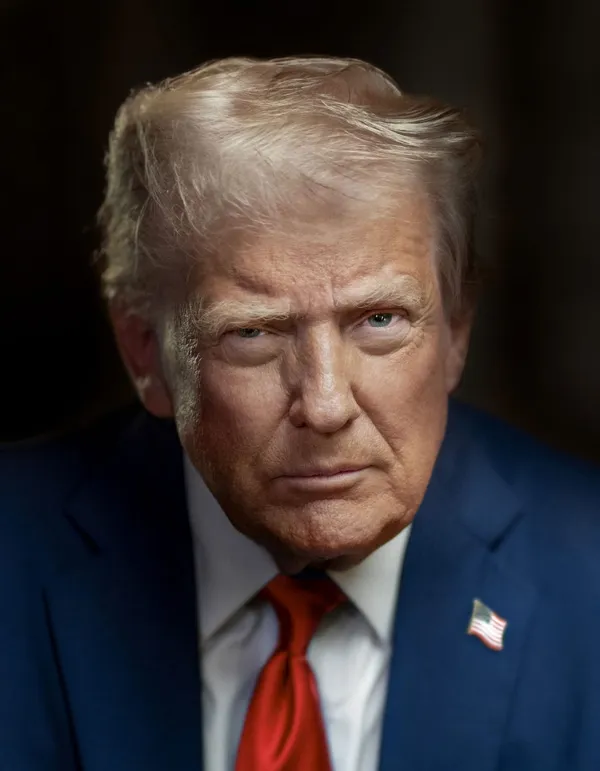 ProfileDonald Trump45th and 47th President of the United States
Related
California Senate Passes Post-Production Tax Bill; Newsom Must Act
SB 2319 cleared the California State Senate 33-5, creating a dedicated post-production tax incentive as the L.A. film industry continues to shrink.

Netanyahu Condemns West Bank Attack on NBC News Team as Settler Violence Escalates
Masked settlers assaulted an NBC News crew and a Palestinian woman in Jalud, injuring four journalists and drawing condemnation from Israel's prime minister.
Park Service Backs Trump Arch Despite Threat to DC Landmark Sightlines
A federal report endorses the proposed 250-foot gilded arch while acknowledging it will disrupt the visual integrity of dozens of historic Washington sites.