Trump's Controversial Offer to Xi Jinping Raises Questions on US Arms Policy

Trump reportedly offered to sell weapons to Xi Jinping, raising concerns about US commitment to Taiwan amid rising military tensions.
In a stunning revelation, recent comments from David Perdue, the US ambassador to China, suggest that former President Donald Trump proposed the sale of American arms to Chinese leader Xi Jinping during a meeting last week. This proposal comes at a time when Taiwan faces significant military pressure from Beijing, heightening concerns about the US’s stance on defending the self-governed island.
Background on US-Taiwan Relations
The comments by Perdue were made during an interview with Fox News, where he reiterated that Trump has consistently pursued arms sales globally, even indicating to Xi that he could sell weapons to China. This statement dovetails with Taiwan's ongoing efforts to secure a $14 billion arms package from the US, which has faced delays. The proposal of such a sale to Beijing marks a considerable shift in dialogue and raises vital questions about US foreign policy in the region.
Perdue's remarks came on the heels of a speech by Taiwan’s deputy foreign minister, Chen Ming-chi, who warned of the “severe” military threat posed by China. In light of China's increasing military capabilities and assertiveness, particularly around Taiwan, Chen emphasized the necessity for the US to align with Taiwan’s defense needs. The Taiwanese official’s comments reflect a broader concern that, despite talks of economic decline, China continues to enhance its military strength.
Historical Context of US Arms Sales
The US has adopted a historically ambiguous approach to its military support for Taiwan, as enshrined in the Taiwan Relations Act. This legislation mandates that the United States provide the island with sufficient military tools to protect itself against potential aggression from mainland China. Washington has traditionally avoided making explicit assurances about intervening in a conflict over Taiwan, opting instead for a policy that encourages ambiguity as a deterrent against Chinese military action.
During a prior meeting with Xi in May, Trump categorized the $14 billion arms sales package to Taiwan as a potential negotiation tool rather than a definite commitment, raising further doubts about his administration’s support for the island. Such remarks have sparked discussions regarding the efficacy and sincerity of US efforts to deter Chinese expansionism in the Taiwan Strait.
Beijing's Reaction and US Response
Beijing has historically opposed US arms sales to Taiwan, viewing the island as a breakaway province. Following the meeting between Trump and Xi, Chinese state media reported that Xi urged Trump to combat the notion of “Taiwan independence.” This interaction underscores the delicate balancing act between maintaining diplomatic ties with China while fulfilling obligations to Taiwan.
In response to Perdue's claims, the White House has issued statements clarifying that there are no plans to sell arms to China. The State Department reinforced this position, citing US laws that prohibit such transactions. These official rebuttals aim to stabilize the narrative surrounding US intentions, particularly amid increasing scrutiny from both domestic and international observers.
Taiwan's Urgent Call for Support
Taiwan’s government remains vigilant in the face of the growing military threats. With the ongoing tension in the Taiwan Strait, Taiwanese officials have consistently called for robust support from the United States to enhance their defensive capabilities. As the geopolitical landscape continues to shift, the clarity of US arms policies will remain a critical factor in Taiwan's security and its relationship with Beijing.
As discussions regarding arms sales and Taiwan's independence resurface, the stakes remain high. The dialogue between the US and China will not only influence the future of Taiwan but also shape the broader regional security dynamics in Asia.
For further context on Xi Jinping's diplomatic engagements, see Xi Hosts Hun Sen to Deepen China-Cambodia Ties and Xi Jinping Offers Aid to Venezuela Following Devastating Earthquakes.
Related on Ni4o: Xi Hosts Hun Sen to Deepen China-Cambodia Ties · Xi Jinping Offers Aid to Venezuela Following Devastating Earthquakes · Rodríguez Declares Resurgence of Venezuela at UN Assembly
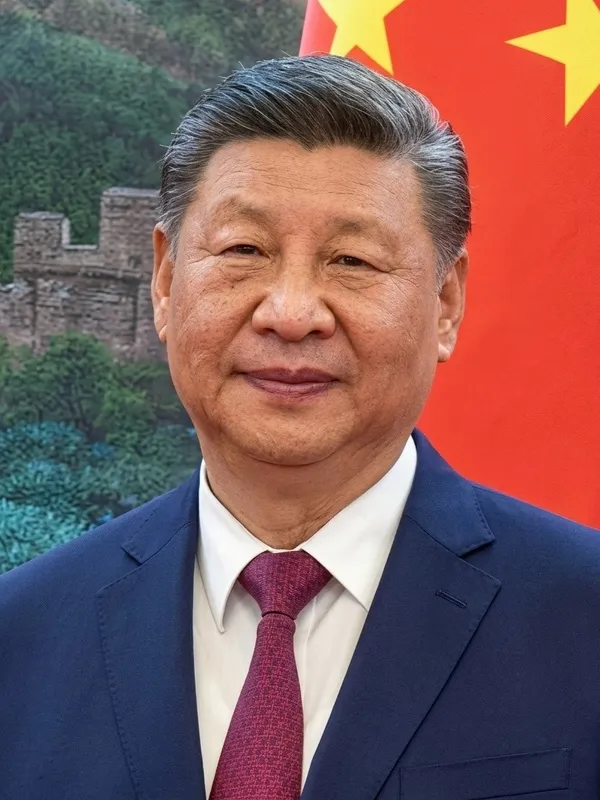 ProfileXi JinpingGeneral Secretary of the Communist Party of China
Related
California Senate Passes Post-Production Tax Bill; Newsom Must Act
SB 2319 cleared the California State Senate 33-5, creating a dedicated post-production tax incentive as the L.A. film industry continues to shrink.

Netanyahu Condemns West Bank Attack on NBC News Team as Settler Violence Escalates
Masked settlers assaulted an NBC News crew and a Palestinian woman in Jalud, injuring four journalists and drawing condemnation from Israel's prime minister.
Park Service Backs Trump Arch Despite Threat to DC Landmark Sightlines
A federal report endorses the proposed 250-foot gilded arch while acknowledging it will disrupt the visual integrity of dozens of historic Washington sites.