The Odyssey's Four-Month Theatrical Window Reflects Nolan's Convictions

With The Odyssey spending 123 days exclusively in cinemas before its digital release, Christopher Nolan continues to put the theatrical experience above convenience.
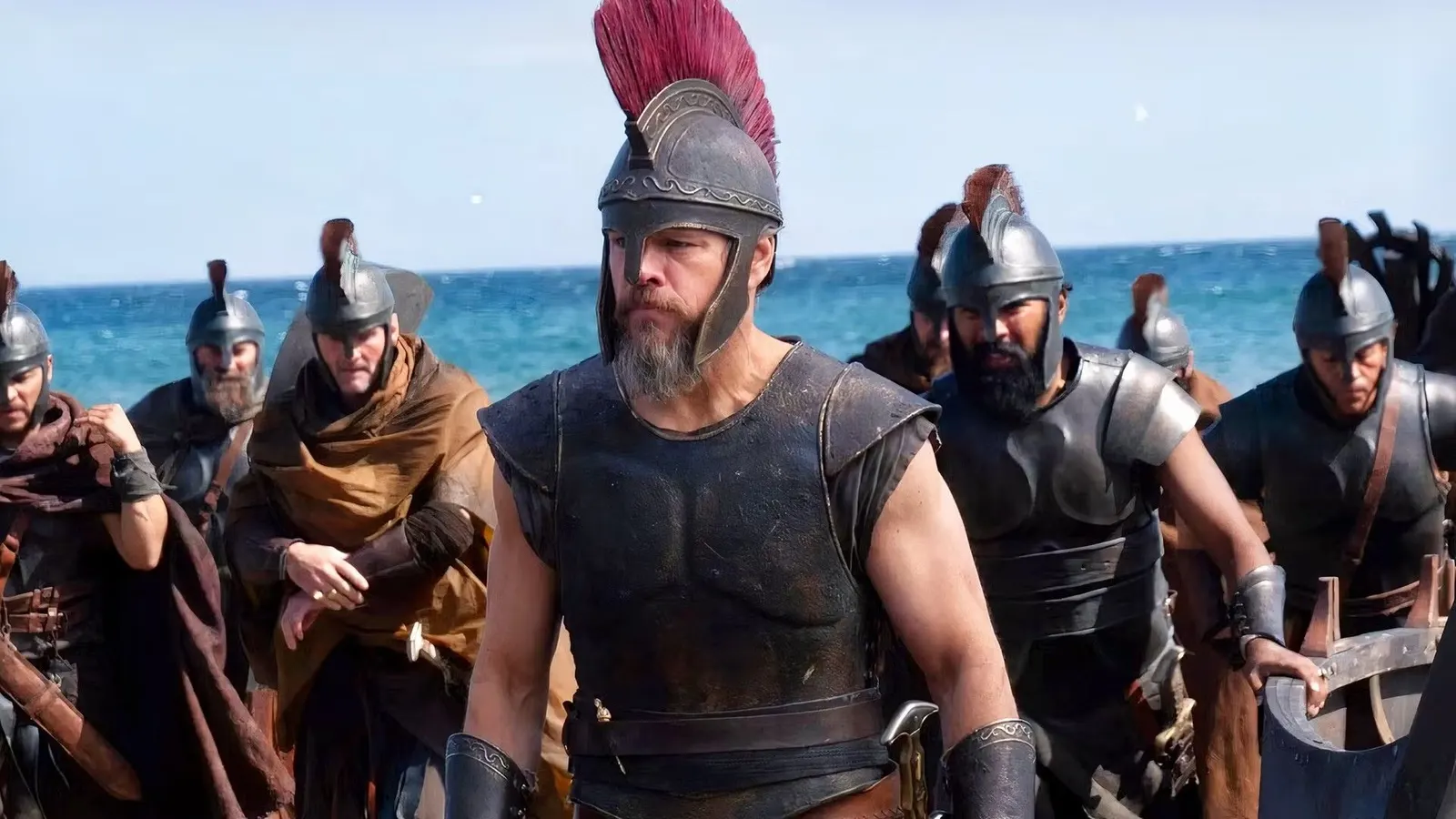
Few filmmakers working today have used their industry leverage as deliberately as Christopher Nolan, and the home-release strategy surrounding The Odyssey offers yet another clear illustration of where his priorities lie. The film's journey from IMAX screen to living room has been, by design, a long one — and that's entirely the point.
A 123-Day Commitment to the Cinema
According to ScreenRant, Universal Pictures has set November 17, 2026 as the date The Odyssey becomes available for digital purchase and physical home media, including 4K Ultra HD and Blu-ray. The film opened in theaters on July 17, placing exactly 123 days between its theatrical debut and its home release. For context, many major studio productions today arrive on digital platforms within 45 days of opening weekend — a window that has only shrunk as streaming platforms have grown more dominant. Nolan's insistence on a considerably longer runway reflects a philosophy that treats the cinema not as one of several distribution channels, but as the primary artistic venue for which the work was conceived.
Starring Matt Damon as Odysseus in an adaptation of Homer's ancient epic, the film has already demonstrated the commercial viability of that philosophy. The Odyssey has earned $1.8 billion worldwide, making it the highest-grossing entry in Nolan's filmography to date — a remarkable achievement for a prestige production rooted in classical literature rather than a pre-existing franchise.
Why the Window Matters Beyond Principle
There is a practical logic embedded within Nolan's theatrical commitment that extends well beyond artistic idealism. When audiences know a digital release is imminent, the urgency to purchase a ticket diminishes considerably. Someone who misses a film's first few weekends may simply decide the couch is worth the wait. A four-month window removes that calculation almost entirely, particularly for a film like The Odyssey, which was shot entirely with IMAX cameras and engineered to exploit the full visual and sonic capacity of those large-format screens.
Premium formats like IMAX command higher ticket prices, and the extended window gives audiences a sustained incentive to pay for that upgrade rather than wait for a 65-inch television approximation. Theaters themselves benefit significantly as well — their revenue model depends on sustained foot traffic and concession sales, neither of which survives a simultaneous or near-simultaneous streaming debut. By keeping The Odyssey exclusive for four months, Nolan effectively handed exhibitors a prolonged window to capitalize on one of the year's most anticipated releases.
A Pattern Established, Not Improvised
This approach did not emerge with The Odyssey. When Nolan departed Warner Bros. and aligned himself with Universal Pictures for Oppenheimer, one of his negotiated terms was a theatrical exclusivity window of roughly 100 days. Universal ultimately extended that to 123 days — the same figure now applied to The Odyssey — and Oppenheimer subsequently won seven Academy Awards, including Best Picture and Best Director. The precedent validated the strategy commercially and critically.
Nolan's departure from Warner Bros. was itself partly driven by theatrical concerns. When the studio announced in late 2020 that its entire 2021 release slate would debut simultaneously on HBO Max, Nolan was among the most vocal critics, publicly arguing that filmmakers and their crews deserved a studio that respected the theatrical model. That rupture, after nearly two decades of collaboration on films like The Dark Knight, Inception, and Dunkirk, was a signal that his convictions on this issue were non-negotiable.
Influence Used Deliberately
Nolan occupies a rare position in contemporary Hollywood — a filmmaker whose box-office track record affords him the kind of contractual leverage most directors never see. It's leverage he has used in ways that extend beyond his own career, consistently advocating for the broader health of the theatrical ecosystem. The Odyssey's 123-day window is, in that sense, less a personal quirk than a considered act of advocacy — one that happens to align neatly with the director's own artistic convictions about how cinema is meant to be experienced.
 ProfileChristopher NolanFilmmaker
Related

Randy Quaid Slams Anne Hathaway Casting in Days of Thunder Sequel
Randy Quaid, who appeared in the original 1990 film, took to X to demand Nicole Kidman's return and dismiss the Hathaway announcement.

Eva Mendes' 'de Gosling' Tattoo Is the Only One She's Ever Wanted
Eva Mendes is showing off her wrist tattoo again — a small but meaningful piece of ink that carries a deep cultural significance.

Steven Spielberg's 'War of the Worlds' Returns to Streaming Amid Debate
Steven Spielberg's 'War of the Worlds' is hitting HBO Max next month, reigniting discussions on its mixed reception.