Decoding Christopher Nolan's Adaptation of The Odyssey's Ending

Christopher Nolan’s latest film diverges from the Homeric epic, revealing a deeper themes about the cost of war in a new cinematic journey.
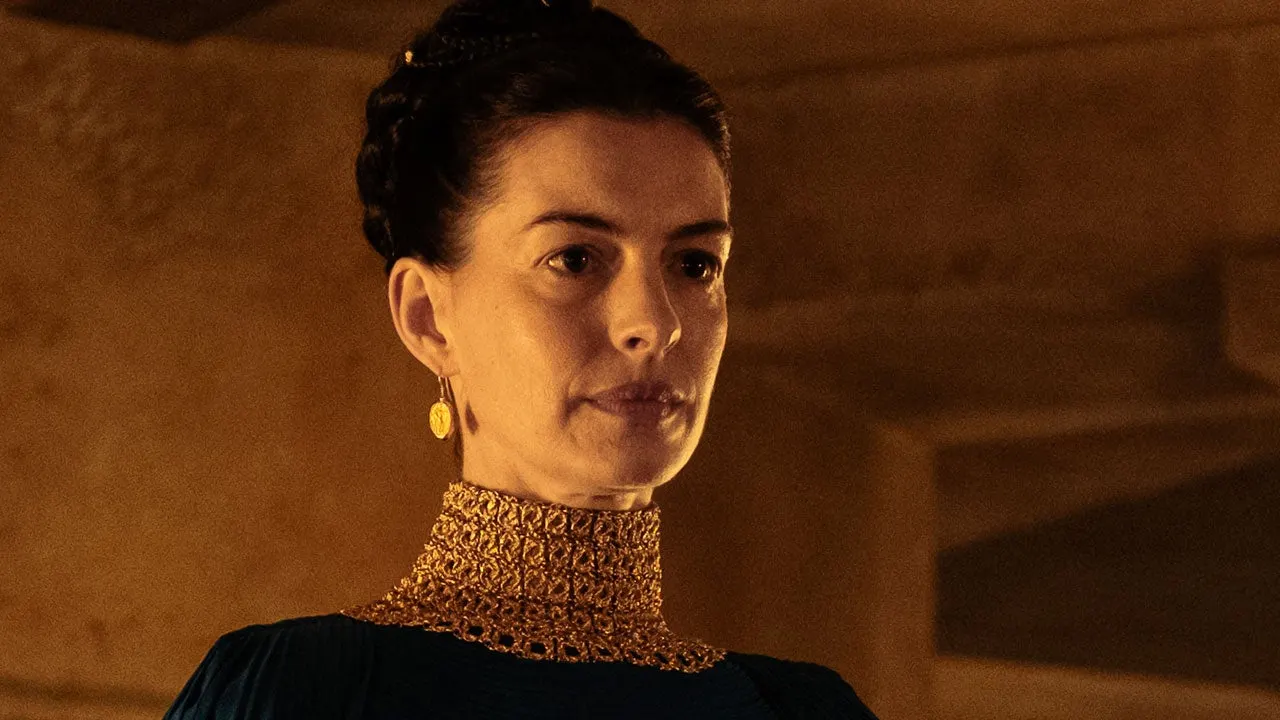
In his audacious reimagining of The Odyssey, Christopher Nolan takes the audience on a journey that strays significantly from Homer's original narrative. The film’s conclusion serves as a crucial moment, shedding light on both Odysseus's transformation as a character and the modern implications of war and its aftermath.
A Fresh Take on a Timeless Tale
The essence of Nolan's adaptation is not merely a retelling of Odysseus's long journey home but rather a poignant exploration of moral complexities surrounding heroism and war. Most notably, the ending scenes encapsulate the heart of Nolan's message: war comes at a devastating cost, a sentiment reverberating profoundly in today's sociopolitical landscape. The archetypal hero's journey is subverted here; Odysseus, played by Matt Damon, is not just a brave warrior but a man grappling with the consequences of his past decisions.
After an arduous ten-year journey, Odysseus disguises himself as a beggar to assess the state of his kingdom upon his return to Ithaca. He learns of the chaos wrought by the suitors vying for his loyal wife Penelope (played by Anne Hathaway). As Odysseus interacts with familiar faces, he uncovers the deeper implications of his actions during the Trojan War, conveyed through flashbacks and intimate conversations that are pivotal for the narrative's progression.
Themes of War and Redemption
Central to the climax is a challenge set by Penelope, an arrangement that reveals both Odysseus's rightful place as king and the broader themes of identity and redemption. While he successfully strings his bow—an act no other suitor can replicate—this victory does not solely celebrate his prowess as a warrior. Instead, it prompts a moment of self-reflection that is critical for understanding the layers of 'Odyssey' that Nolan has meticulously crafted.
In a stark conversation with Penelope, Odysseus recounts the grim realities of warfare. He ultimately acknowledges that his actions, while hailed as heroic, contributed to the barbarism of his own men under Agamemnon's command. The film does not shy away from the harsh truths that accompany glory; the mythos of heroism is deconstructed, leaving viewers to grapple with the ramifications of Odysseus's journey.
A Divergence from Homer
While The Odyssey traditionally culminates in a triumphant return and reconciliation, Nolan’s vision challenges audiences to confront the darkness lurking within their perceptions of heroes. The original tale painted Odysseus as a clever tactician, yet through Nolan's lens, he becomes a more flawed and complex figure. This nuanced characterization raises questions about the morality of leadership and the unintended consequences of war.
As a filmmaker, Nolan continuously embraces themes of duality in his narratives, as seen in his other works. He invites introspection through the contrasting depictions of bravery and cowardice interwoven in the fabric of storytelling. This method invites viewers to reconsider who they deem worthy of admiration and what sacrifices are made along the perilous path to glory.
Conclusion
Ultimately, The Odyssey as reimagined by Christopher Nolan serves as an exploration of the war-torn psyche and the burdens carried by those who return from battle. It recontextualizes the familiar epic to engage with contemporary audiences, reminding us that within the annals of history, every hero's tale is underscored by loss and regret. Nolan's adept handling of these themes not only deepens our understanding of his characters but also promotes a necessary dialogue about the realities of war, showcasing that sometimes, the journey home is fraught with far greater conflict than the battles fought abroad. For those looking deeper into Nolan's cinematic universe, further insights can be found in articles like Tom Holland Reflects on Challenging First Day with Nolan in The Odyssey and Nolan Dismisses 'Odyssey' Backlash, Cites Dark Knight Lesson.
Related on Ni4o: How Christopher Nolan Convinced Ryan Coogler to Shoot 'Sinners' in IMAX
 ProfileChristopher NolanFilmmaker
Related

Randy Quaid Slams Anne Hathaway Casting in Days of Thunder Sequel
Randy Quaid, who appeared in the original 1990 film, took to X to demand Nicole Kidman's return and dismiss the Hathaway announcement.

Eva Mendes' 'de Gosling' Tattoo Is the Only One She's Ever Wanted
Eva Mendes is showing off her wrist tattoo again — a small but meaningful piece of ink that carries a deep cultural significance.
Steven Spielberg's 'War of the Worlds' Returns to Streaming Amid Debate
Steven Spielberg's 'War of the Worlds' is hitting HBO Max next month, reigniting discussions on its mixed reception.