Christopher Nolan Champions Young Filmmakers, Calls AI in Cinema Doomed

The Oppenheimer director points to the breakout success of Obsession and Backrooms as proof that authenticity is winning the box office war.
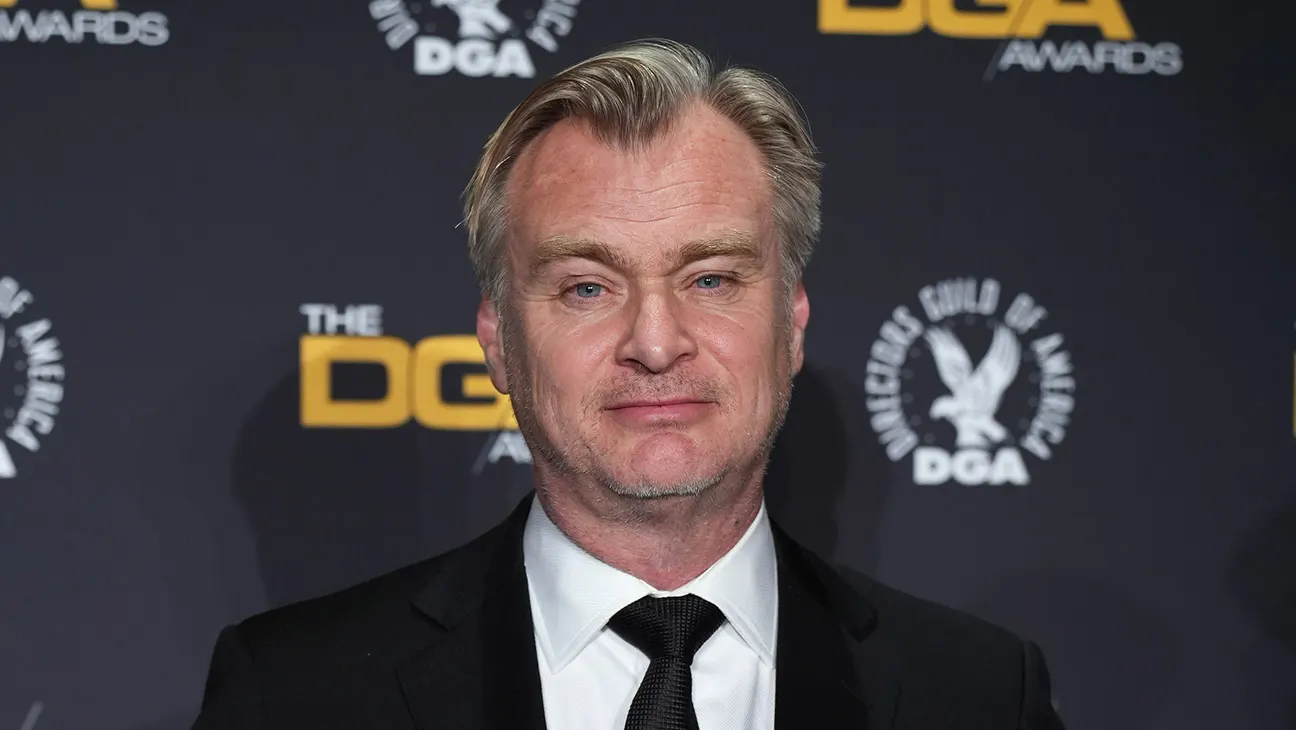
Christopher Nolan has rarely been shy about his conviction that cinema, when made with genuine craft and human intention, will always find its audience. A recent interview has given the Oscar-winning director a fresh platform to articulate that belief — and to issue what amounts to a pointed verdict on where the industry's AI experiment currently stands.
A New Generation Carrying the Torch
Speaking with The Telegraph in a conversation tied to the promotion of his forthcoming epic The Odyssey — for which he reportedly traveled the world and assembled a cast of thousands in service of authentic spectacle — Nolan singled out two filmmakers as emblematic of a wider creative renewal. Curry Barker, whose debut feature Obsession has now crossed $400 million worldwide on a reported budget of just $750,000, and Kane Parsons, the 21-year-old director of Backrooms, which has surpassed $350 million globally, both represent, in Nolan's view, evidence that "things are on the right track." Obsession holds the record as the highest-grossing festival acquisition in history following its Toronto International Film Festival premiere, while Backrooms has become A24's top-grossing release in multiple territories. That Nolan, a filmmaker known for convincing peers to embrace demanding production philosophies, would gravitate toward these micro-budget, atmosphere-driven works is telling.
Dismissing the Short-Attention-Span Myth
According to The Hollywood Reporter, Nolan used the conversation to push back on a persistent piece of conventional wisdom — that younger audiences are too distracted or overstimulated to engage with demanding, slow-burn cinema. The measured pacing of both Obsession and Backrooms, which Nolan compared to David Lynch at his most deliberately obscure, has done nothing to deter Gen Z viewers. If anything, those qualities appear to be precisely the draw. This observation carries obvious self-interest for a director preparing to release a sweeping three-hour adaptation of Homer's Odyssey, but it also reflects a pattern visible across recent box office data. The assumption that spectacle and runtime automatically correlate with engagement has always been a reductive one, and these two breakout films seem to be making that case conclusively.
The AI Reckoning Nolan Sees Coming
Perhaps the most striking portion of Nolan's remarks concerns artificial intelligence and its trajectory within the film industry. He described what he called the most rapid rejection of a supposedly transformative technology that he has witnessed in his career, noting that younger audiences — including his own children, who he says are in their late teens and early twenties — have developed an almost instinctive ability to identify and dismiss AI-generated content. That fluency, he suggested, comes directly from having grown up in a digital environment where synthetic media has been ubiquitous enough to become recognizable. Nolan framed this not as a blanket condemnation of the technology in every context, but as a specific indictment of its application to filmmaking at a moment when audience appetite is visibly tilting back toward the tactile and the real. After a prolonged industry drift toward heavily virtual production environments, he sees the pendulum swinging in the opposite direction — and Backrooms and Obsession as early, commercially validated proof of that shift. This perspective aligns with a broader conversation about how Nolan approaches casting and collaboration on The Odyssey, a production that has prioritized physical, location-based filmmaking.
A Broader Chorus of Establishment Support
Nolan is not alone among established directors in extending this kind of institutional recognition to the new wave. Steven Spielberg has similarly praised Obsession, expressing admiration for what Barker achieved on a sub-million-dollar budget. That two of the most commercially successful directors in the medium's history are orienting themselves as advocates for these emerging voices suggests something more than mere generosity — it reads as a genuine reckoning with which direction the art form is moving. For Nolan, whose The Odyssey cast includes Tom Holland, Zendaya, Matt Damon, Anne Hathaway, Robert Pattinson, and others, the project represents his own high-stakes bet on ambitious, human-centered filmmaking. The fact that the wider culture appears to be arriving at a similar conclusion, one micro-budget horror film at a time, clearly gives him reason for optimism.
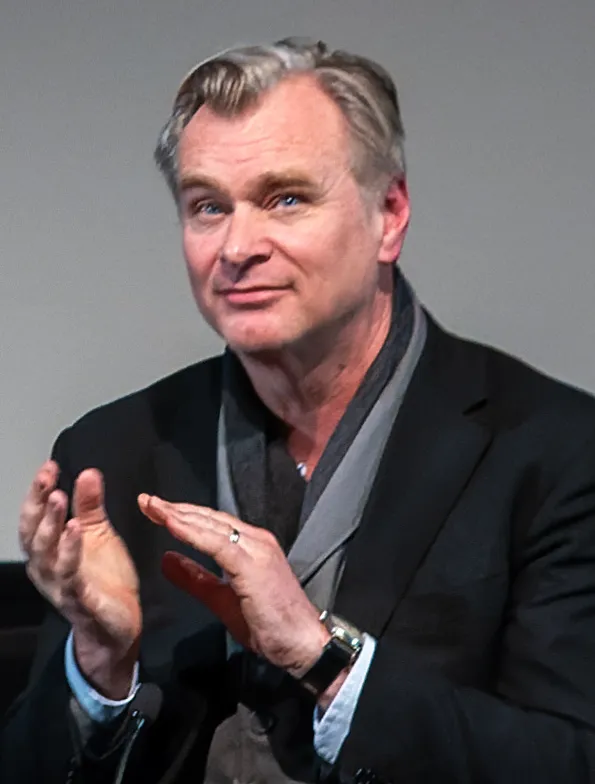 ProfileChristopher NolanFilmmaker
Related
Randy Quaid Slams Anne Hathaway Casting in Days of Thunder Sequel
Randy Quaid, who appeared in the original 1990 film, took to X to demand Nicole Kidman's return and dismiss the Hathaway announcement.
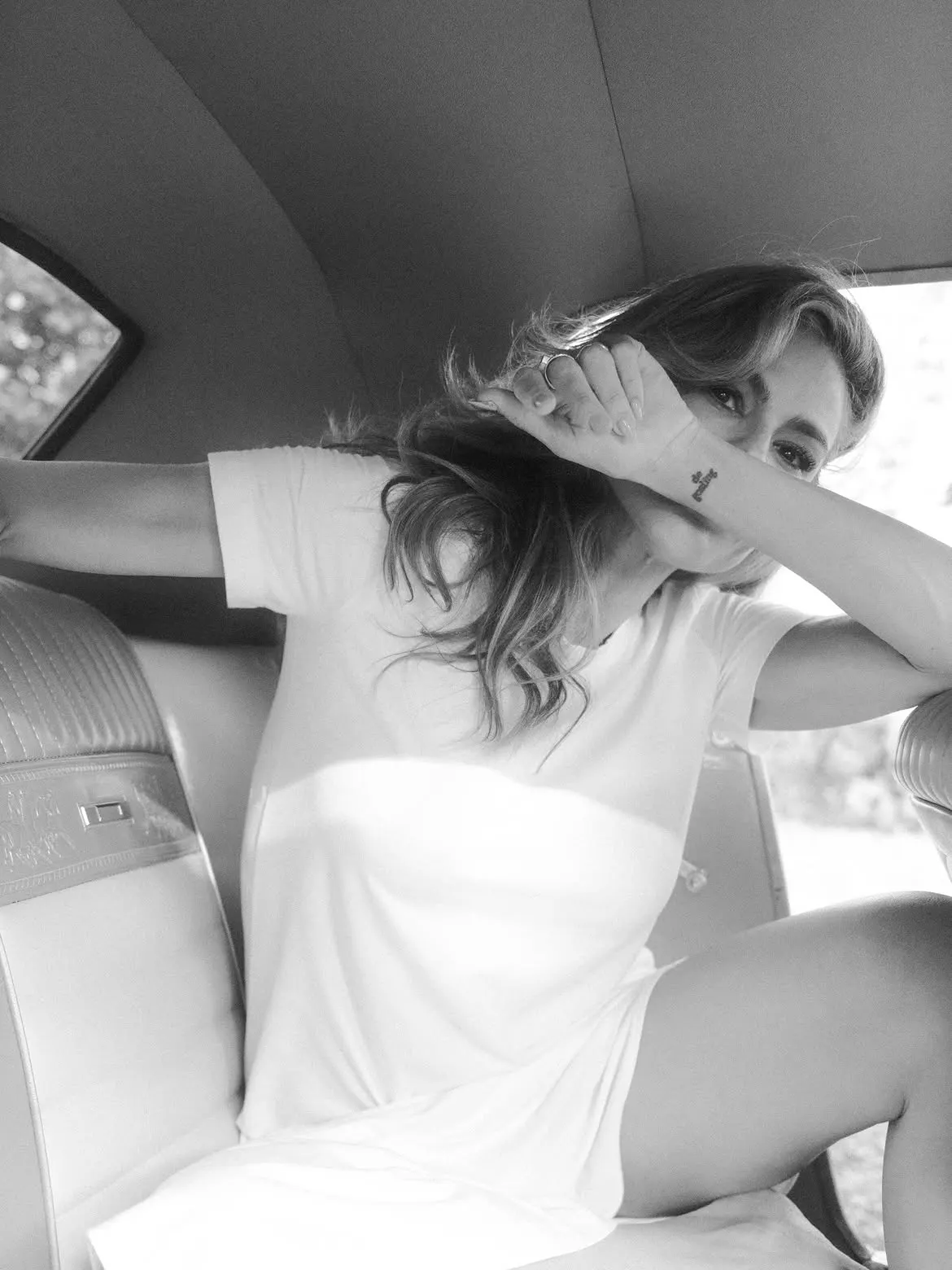
Eva Mendes' 'de Gosling' Tattoo Is the Only One She's Ever Wanted
Eva Mendes is showing off her wrist tattoo again — a small but meaningful piece of ink that carries a deep cultural significance.
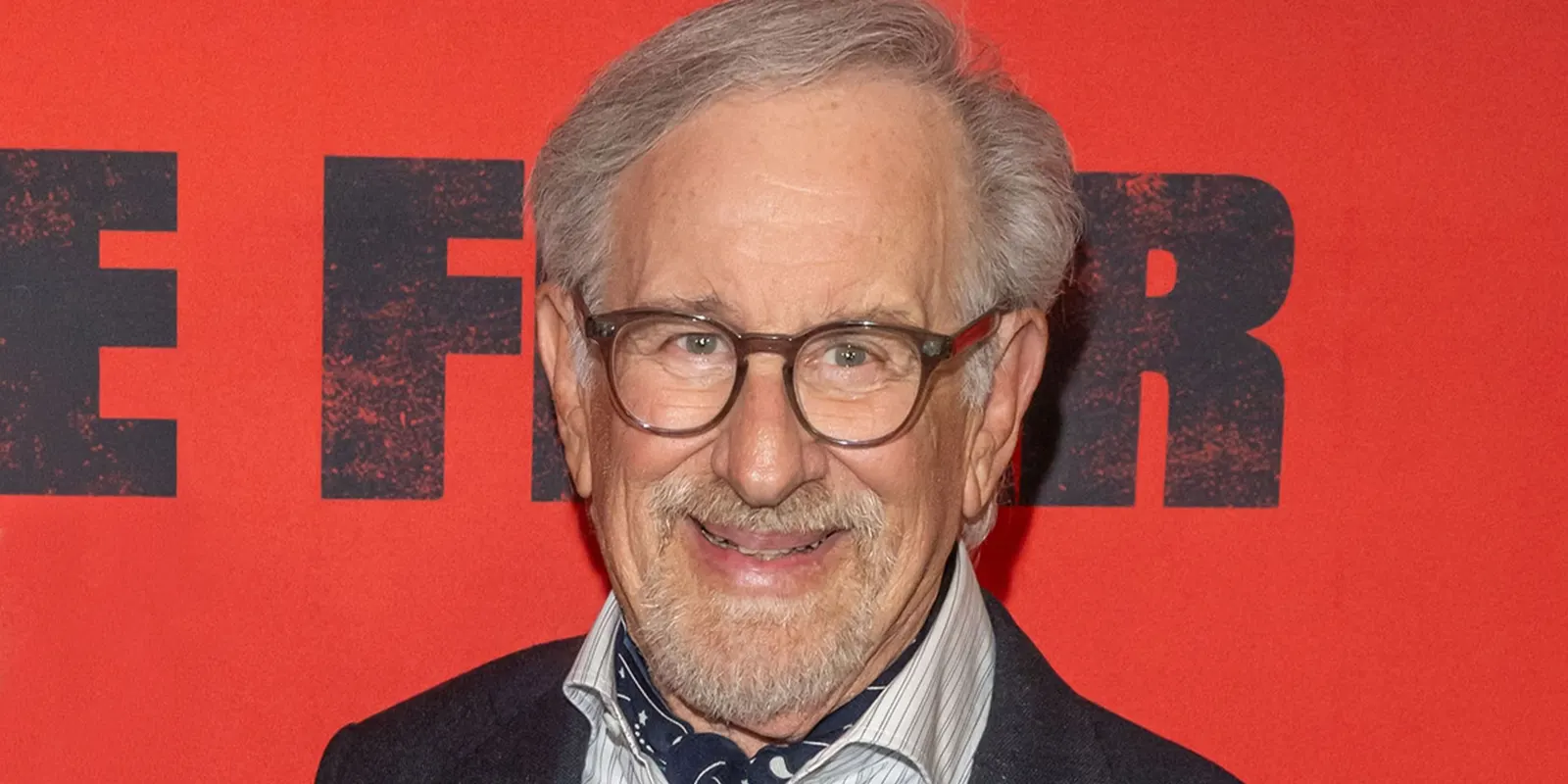
Steven Spielberg's 'War of the Worlds' Returns to Streaming Amid Debate
Steven Spielberg's 'War of the Worlds' is hitting HBO Max next month, reigniting discussions on its mixed reception.