Tesla Roadster Flies, Drives Upside Down, and Hits 60mph in Under a Second
Tesla staged a dramatic demonstration of its next-gen Roadster in Waco, Texas, showcasing flight, inverted driving, and sub-second acceleration.
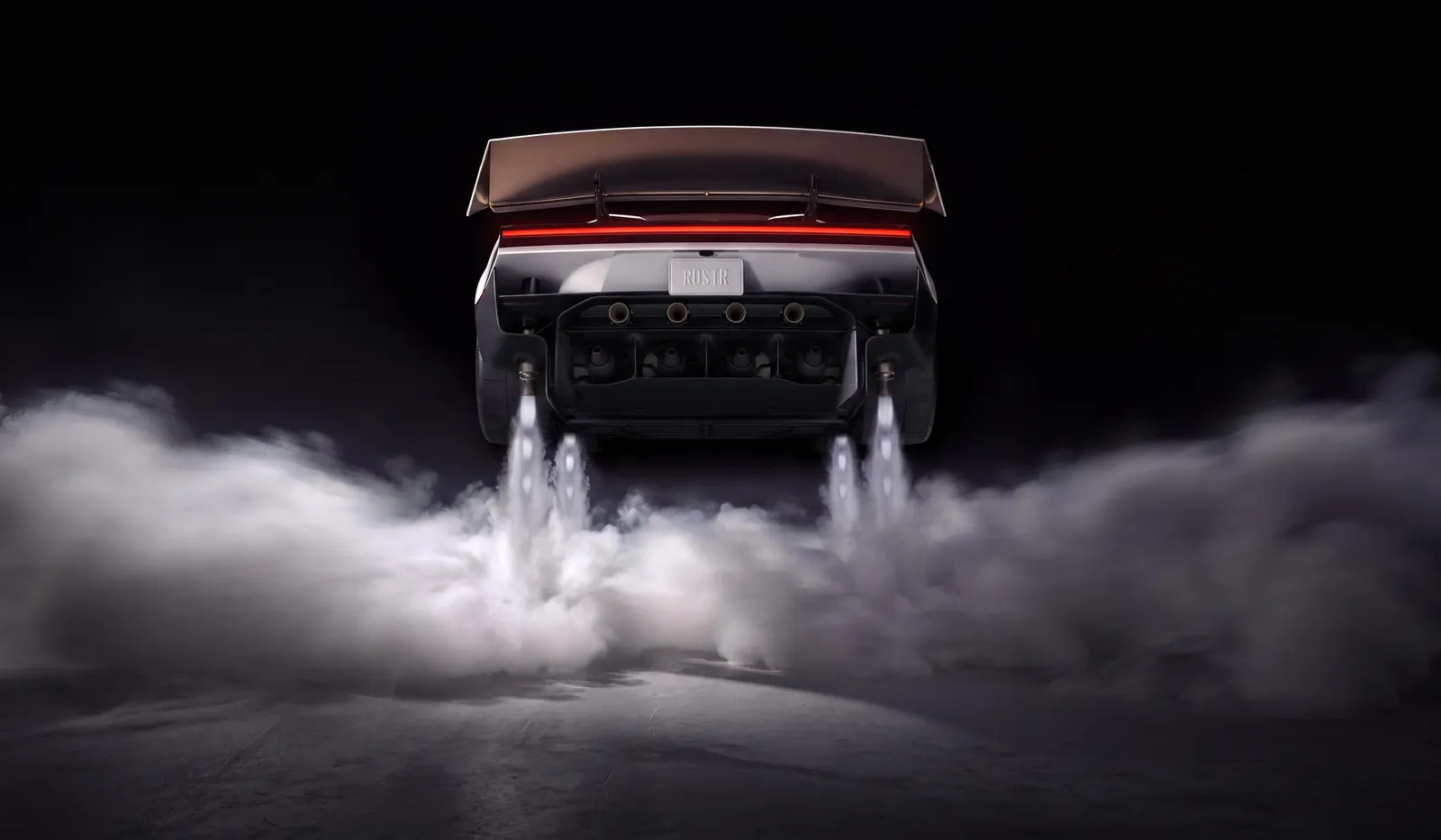
Tesla staged one of its most theatrical product demonstrations to date in Waco, Texas, unveiling the capabilities of its long-delayed next-generation Roadster before a live audience. The electric supercar drove upside down, briefly took flight, and recorded a 0-to-60mph time of 0.81 seconds — figures that would have seemed fictional even a few years ago.
A Stunt Show More Than a Product Reveal
The event ran for under 30 minutes and, according to The Verge, offered none of the commercial details typically associated with a production vehicle launch — no price, no confirmed release window beyond Musk's stated 2028 target, and no discussion of trim specifications. What it did deliver was spectacle. The Roadster climbed a multi-story vertical ramp using a fan-based suction system developed in partnership with SpaceX, which is capable of generating up to two Gs of downforce. At the apex of the ramp, cold-gas thrusters guided the car safely back to ground level.
The vehicle then flew over a lineup of Tesla's current production models — including the Model 3, Model Y, Cybertruck, Semi, and Cybercab — executing what Tesla VP of Engineering Lars Moravy described as a "kick flip" maneuver. Musk noted the car is equipped with attitude-control thrusters and rear-mounted main thrusters, giving it what he characterized as rocket-like agility. "It can basically fly like a rocket," Musk said. "It could do rolls, crazy gymnastics — whatever you want, really."
The Engineering Behind the Performance
The propulsion system relies on two ultra-high pressure air tanks with a combined volume of 600 liters, holding roughly 250 kilograms of compressed air distributed through 10 nozzles. Crucially, the system does not require specialized chemical propellants — the car can recharge its own tanks. The design draws inspiration from aerospace engineering, including the SR-71 reconnaissance aircraft, according to Moravy.
The Roadster is a two-seater with seats integrated directly into the chassis. Its driver interface uses steer-by-wire technology for steering, braking, and throttle input, while a retractable rear wing provides additional downforce at speed. Musk also suggested the production version could push beyond the demonstrated acceleration figures and potentially approach half the speed of sound at top speed.
Tesla subsequently updated its website with details on three performance tiers for the next-gen Roadster, with the cold-gas thruster system scaling differently across configurations.
A Nine-Year Road to Waco
The Roadster's development history is a study in ambition and delay. The car was first unveiled as a surprise addition to Tesla's 2017 Semi event, with specifications that were extraordinary even then: a sub-two-second 0-to-60 time, a top speed exceeding 250mph, a 200 kWh battery, up to 620 miles of range, and a starting price of $200,000. Deliveries were promised for 2020. Early reservation holders placed deposits of $50,000 — or $250,000 for the limited Founders Series — which effectively served as interest-free capital for Tesla's broader manufacturing ambitions.
Those deadlines passed without delivery as Tesla redirected its engineering resources toward higher-volume vehicles. The Roadster became a recurring subject of mockery as a symbol of vaporware, resurfacing periodically when Musk would announce expanded capabilities, most notably the addition of SpaceX-supplied cold-gas thrusters.
Musk has been candid about the Roadster's limited financial significance to Tesla, describing it as a "small potato situation" that will not move the company's revenue needle in any meaningful way. He has framed it primarily as a collaborative engineering exercise between Tesla and SpaceX — a point that carries its own weight given Musk's broader ambitions across his companies.
Road Legal? Not Quite
Despite Musk's assertion during the event that "this will be an actual car that's on the roads," Tesla later acknowledged the Roadster would not be road legal in its demonstrated configuration. Satisfying dual regulatory requirements from both the Federal Aviation Administration and the National Highway Traffic Safety Administration presents an obvious and formidable obstacle. The 2028 production target stands, though the company's track record with the Roadster specifically — and with ambitious timelines more broadly, as seen with its robotaxi ambitions — warrants measured expectations.
Related on Ni4o: Elon Musk Becomes First Trillionaire as SpaceX IPO Soars
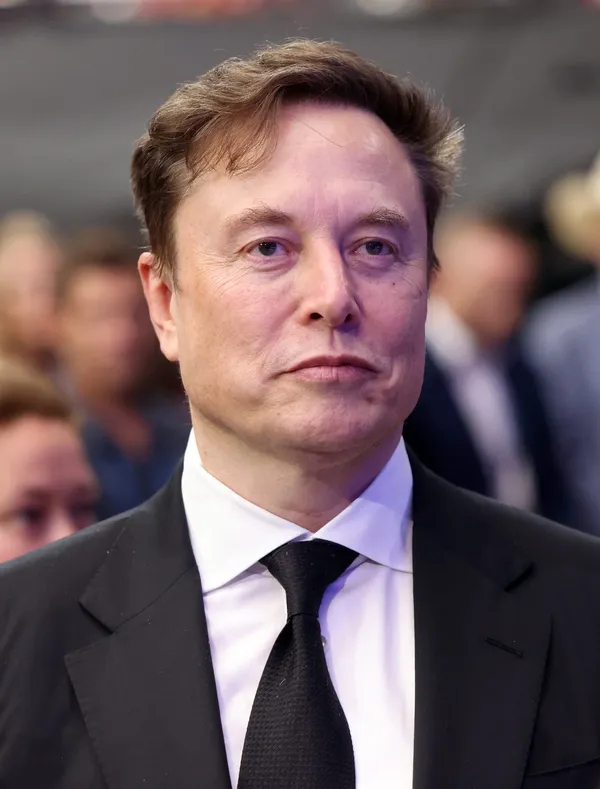 ProfileElon MuskEntrepreneur and business magnate
Related
Elon Musk Documentary Among Highlights at Venice Film Festival
The Venice Film Festival features a new section showcasing documentaries, including an anticipated film on Elon Musk.
Musk Expected to Pour Up to $200M Into 2026 Midterm Races
Elon Musk is projected to commit between $100 million and $200 million to Republican midterm efforts, with Texas a key focus.
Tesla Prepares for Cybercab Launch Amid Safety Concerns
Tesla is set to unveil its Cybercab, a driverless vehicle pivotal to Elon Musk's vision, but readiness for public roads is questioned.