SpaceX Designs Rooftop Mini Cell Tower to Eliminate Dead Zones

Elon Musk says SpaceX has finished designing a small rooftop cellular unit that could deliver wireless coverage anywhere on Earth, with production targeted for 2027.
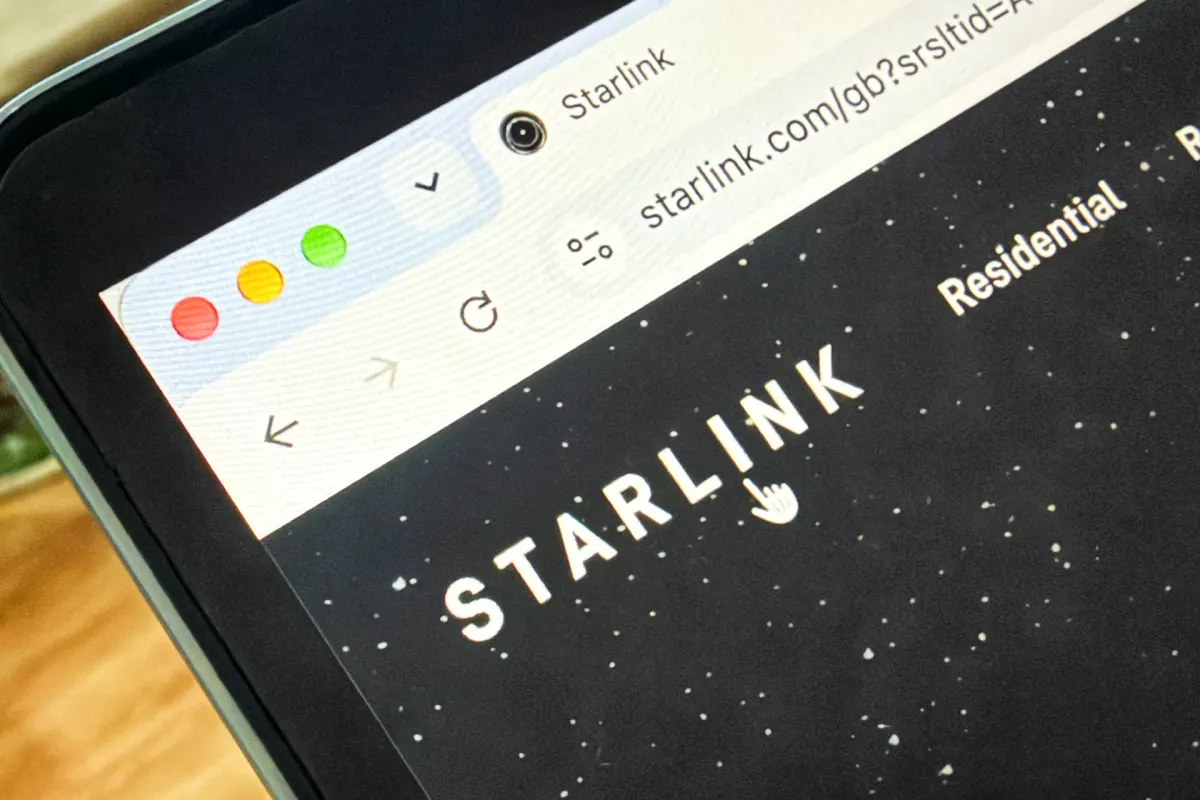
SpaceX has completed the design of a compact rooftop cellular device intended to close the coverage gaps that persist even in areas served by its Starlink satellite network. Elon Musk disclosed the development during an interview at the DealBook Summit, outlining a broader strategy to make wireless connectivity truly ubiquitous.
The Problem SpaceX Is Trying to Solve
Satellite-based internet services face a fundamental physical limitation: signals from orbit struggle to penetrate dense building materials. Musk described the device as addressing situations where users are inside structures with thick or metal roofs that effectively block transmissions from space. The miniature tower, he explained, would sit on a rooftop much like an existing Starlink dish, acting as a terrestrial relay that picks up where the satellite signal cannot reach.
SpaceX is also preparing to launch its Direct-to-Cell V2 satellite constellation in 2026, a move Musk said would increase available bandwidth by a factor of 40. The rooftop hardware is meant to complement that expansion rather than substitute for it.
Spectrum Acquisitions Lay the Groundwork
The infrastructure ambitions are backed by significant spectrum investments. After the Federal Communications Commission approved SpaceX's direct-to-phone service in partnership with T-Mobile in 2024, the company moved aggressively to secure wireless frequencies. It struck a $17 billion agreement with EchoStar in 2025 and subsequently agreed to acquire a separate low-band spectrum portfolio valued at $8 billion. According to TechCrunch, the combination of that spectrum and the mini cell towers forms the core of SpaceX's plan to build a functioning hybrid satellite-cellular network.
SpaceX President Gwynne Shotwell had previously indicated during the company's August earnings call that the approach would rely on small, low-power cellular base stations rather than conventional large towers. Musk added that one option under consideration would bundle the cellular units together with standard Starlink terminals, though he acknowledged the company is still finalizing some details.
Production Timeline and Musk's Track Record
Musk said the devices are expected to enter production in 2027, though he hedged slightly, saying he thought production would begin "next year." That cautious framing is worth noting: Musk has a well-documented history of optimistic timelines that subsequently slip. His robotaxi ambitions have faced similar scrutiny over delivery schedules, and The Boring Company has been navigating its own capital and timeline pressures. Whether SpaceX's cellular hardware adheres to its stated schedule remains to be seen.
Musk Pushes Back on Telecom Disruption Narrative
The emergence of a hybrid satellite-cellular network has prompted speculation that established carriers such as AT&T and Verizon could face existential competitive pressure. Musk rejected that framing directly. He said he does not expect legacy telecoms to go out of business, though he conceded some revenue loss is possible.
His reasoning centers on a forecast for massive future bandwidth demand — demand he believes will be driven not primarily by human users but by artificial intelligence systems and robotics. Superintelligent systems and autonomous machines, he argued, will require far more bandwidth than current human consumption patterns generate, effectively expanding the total market rather than simply redistributing existing customers.
This perspective fits a broader pattern in Musk's business thinking. His X platform has been pushing toward an everything-app model that assumes AI and financial services will generate new revenue streams, not just capture existing ones. Meanwhile, his rising commercial profile — underscored by his recent status as the world's first trillionaire — gives SpaceX considerable financial latitude to pursue long-horizon infrastructure bets.
What Comes Next
SpaceX has not released technical specifications for the rooftop device or announced pricing. The company's next concrete milestone is the Direct-to-Cell V2 satellite launch scheduled for next year, which will serve as the backbone the terrestrial hardware is designed to extend. Industry observers will be watching both that launch cadence and the production ramp of the mini tower to assess whether SpaceX's connectivity ambitions are on track.
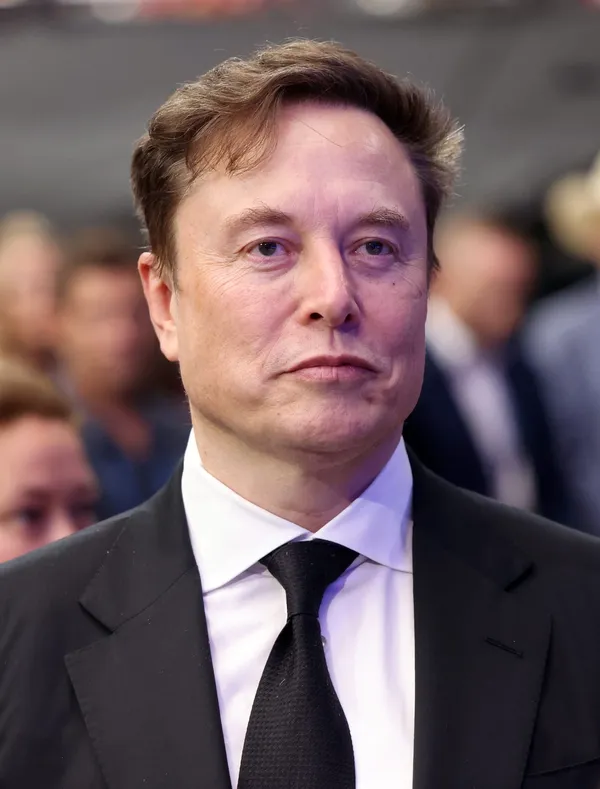 ProfileElon MuskEntrepreneur and business magnate
Related
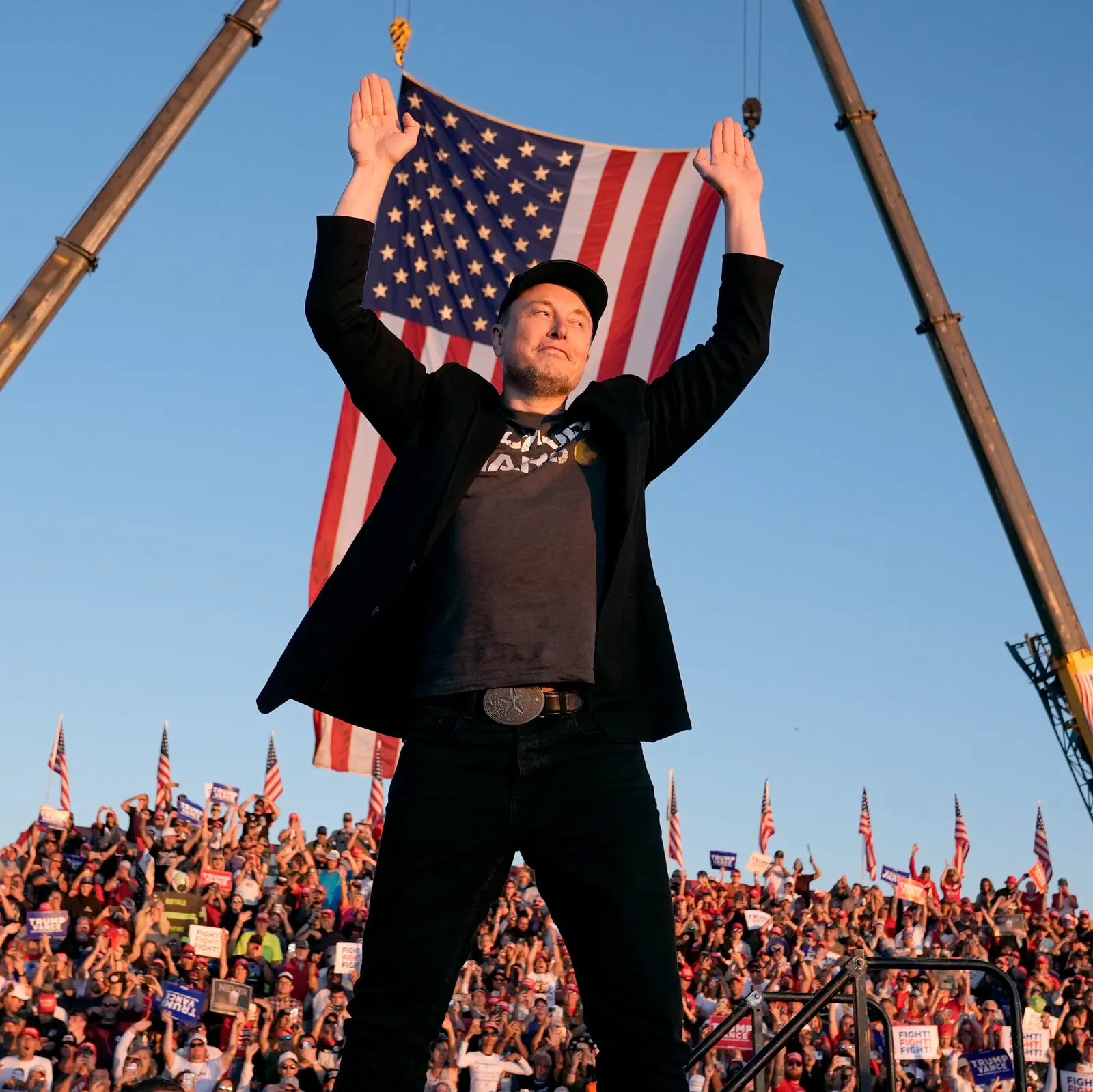
Elon Musk Documentary Among Highlights at Venice Film Festival
The Venice Film Festival features a new section showcasing documentaries, including an anticipated film on Elon Musk.
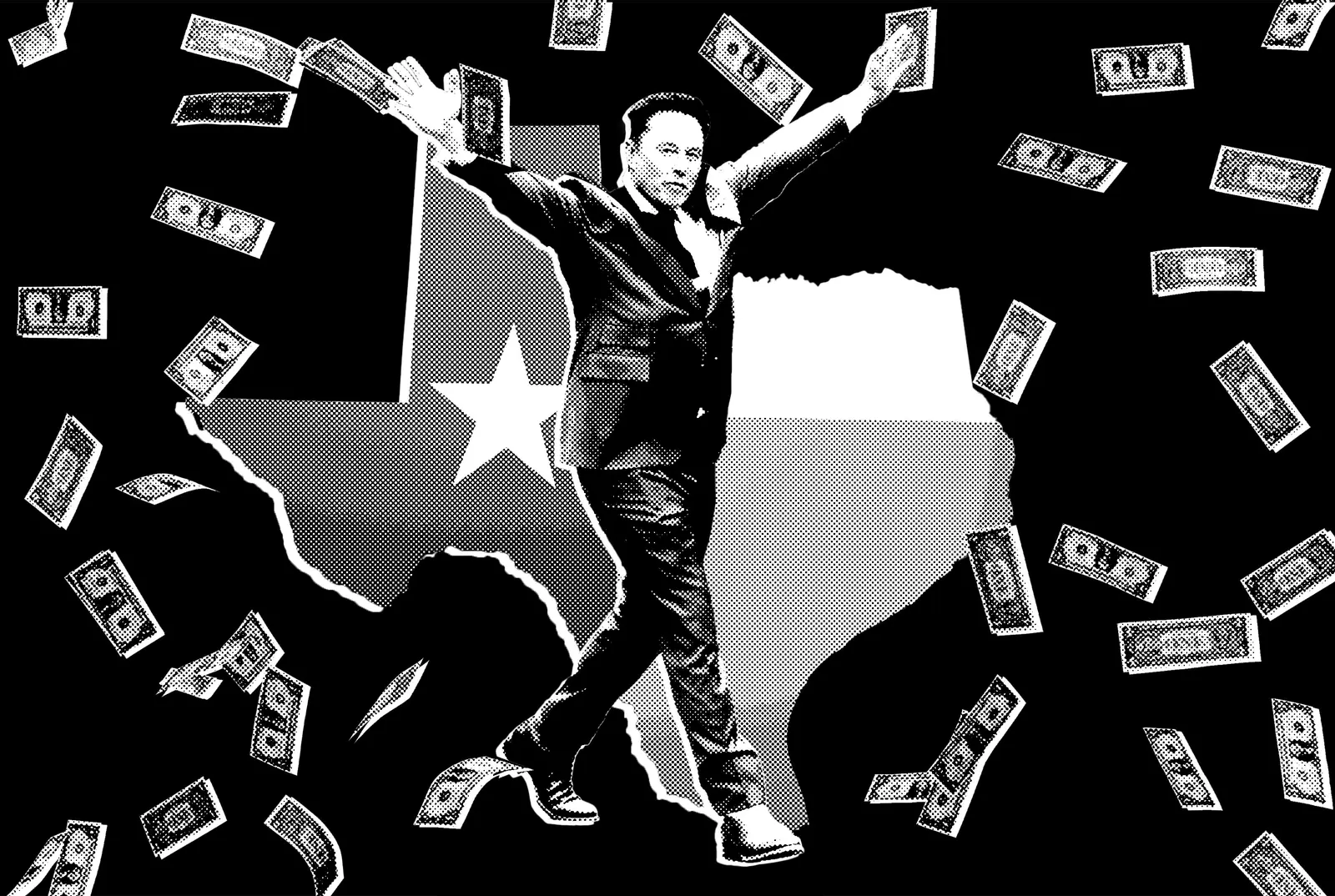
Musk Expected to Pour Up to $200M Into 2026 Midterm Races
Elon Musk is projected to commit between $100 million and $200 million to Republican midterm efforts, with Texas a key focus.
Tesla Prepares for Cybercab Launch Amid Safety Concerns
Tesla is set to unveil its Cybercab, a driverless vehicle pivotal to Elon Musk's vision, but readiness for public roads is questioned.