Business
US Judge Presses DOJ Over Dropping Adani Fraud Case
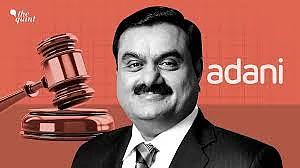
A US federal judge ordered the Justice Department to justify its move to drop bribery charges against Gautam Adani, calling the explanation terse and conclusory.
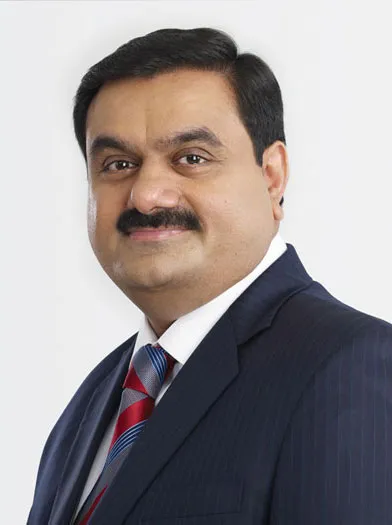
Indian Industrialist and Founder of the Adani Group
Gautam Adani is an Indian industrialist whose sprawling conglomerate, the Adani Group, has become one of the most influential forces in the country's infrastructure and energy sectors. Born in 1962 into a middle-class family in Ahmedabad, Gujarat, he was one of several children of a textile trader. He left college early and moved to Mumbai as a teenager, where he found his first opportunities in the diamond trade. That early exposure to commerce shaped an entrepreneurial instinct that would define the rest of his career.
Adani returned to Gujarat in the early 1980s to help run a family plastics venture before striking out on his own. In 1988 he established what would grow into the Adani Group, initially focused on commodity trading. The liberalization of India's economy in the 1990s opened vast new possibilities, and Adani positioned himself to capitalize on them. A pivotal moment came with the development of a port at Mundra in Gujarat, which he transformed into one of India's largest commercial harbors. This project anchored a broader strategy of investing in the physical backbone of a rapidly modernizing nation.
Over the following decades the group expanded aggressively into a wide range of industries, including ports and logistics, thermal and renewable power generation, electricity transmission, gas distribution, mining, airports, cement, and edible oils. The conglomerate's reach extended across much of India's daily economic life, handling cargo, generating electricity, and operating major airports. Adani also pursued large international ventures, including a controversial coal mining project in Australia that drew significant environmental criticism.
The scale of Adani's holdings propelled him to the top tier of global wealth rankings, and for a period he was counted among the richest people in the world and the wealthiest in Asia. His ascent paralleled India's economic growth ambitions, and his companies became closely associated with national infrastructure priorities such as renewable energy expansion and port modernization. He has pledged substantial sums to philanthropy through the Adani Foundation, supporting education, healthcare, and rural development initiatives.
His rise has not been without scrutiny. In early 2023 a report by a short-selling research firm leveled allegations of accounting irregularities and stock manipulation against his businesses, triggering a dramatic decline in the market value of group companies. Adani denied the accusations, and the group worked to reassure investors and stabilize its finances in the aftermath. The episode sparked wide debate about corporate governance and the concentration of economic power. He has also faced legal and regulatory questions in other jurisdictions related to his international dealings.
Despite periodic turbulence, Adani has remained a central figure in India's corporate landscape. His companies continue to invest heavily in clean energy, aiming to become major players in solar power and green hydrogen as the country pursues its climate commitments. Supporters credit him with building infrastructure at a pace and scale few others could match, while critics question the risks of such rapid, debt-financed expansion and the close ties between large conglomerates and government priorities.
A private and reserved public figure, Adani is married to Priti Adani, a dentist who chairs the group's philanthropic foundation, and the couple has two sons involved in the family business. His story, from a young trader in Mumbai to the head of a vast industrial empire, reflects both the opportunities and the contradictions of India's modern economic transformation. Whatever the verdict of history, his influence on the nation's ports, power grids, and airports is likely to be felt for generations.
A US federal judge ordered the Justice Department to justify its move to drop bribery charges against Gautam Adani, calling the explanation terse and conclusory.
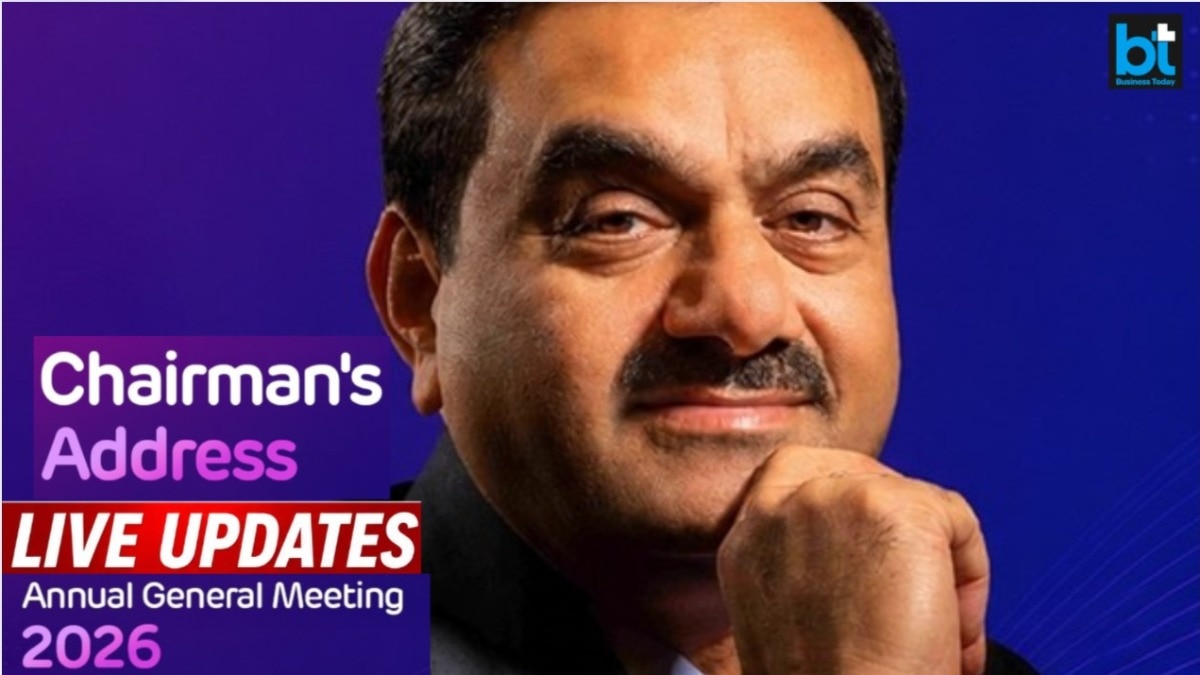
At the Adani Group's 2026 AGM, Gautam Adani laid out a more than 2 lakh crore rupee energy spending plan, a first move into nuclear power and a sweeping data-centre buildout.
FAQ
Gautam Adani was born on June 24, 1962, which makes 64 years old.
Gautam Adani is from India.
Gautam Adani is best known as Businessperson, Business executive. Notable work includes Founder and chairman of the Adani Group, ports and energy infrastructure, one of Asia's wealthiest businesspeople.
Yes — Gautam Adani is on X (Twitter). You can find the official links on this page.